Options Mall logo

ThaneMumbai

Issue 01 — 2026Options Mall / Men's formal shirtsThane — Mumbai

The Style Journal: men's formal shirt guides

Ten essays on formal shirts and business dress — their history, design, fit, fabric and colour — for professionals who prefer to dress with intent.

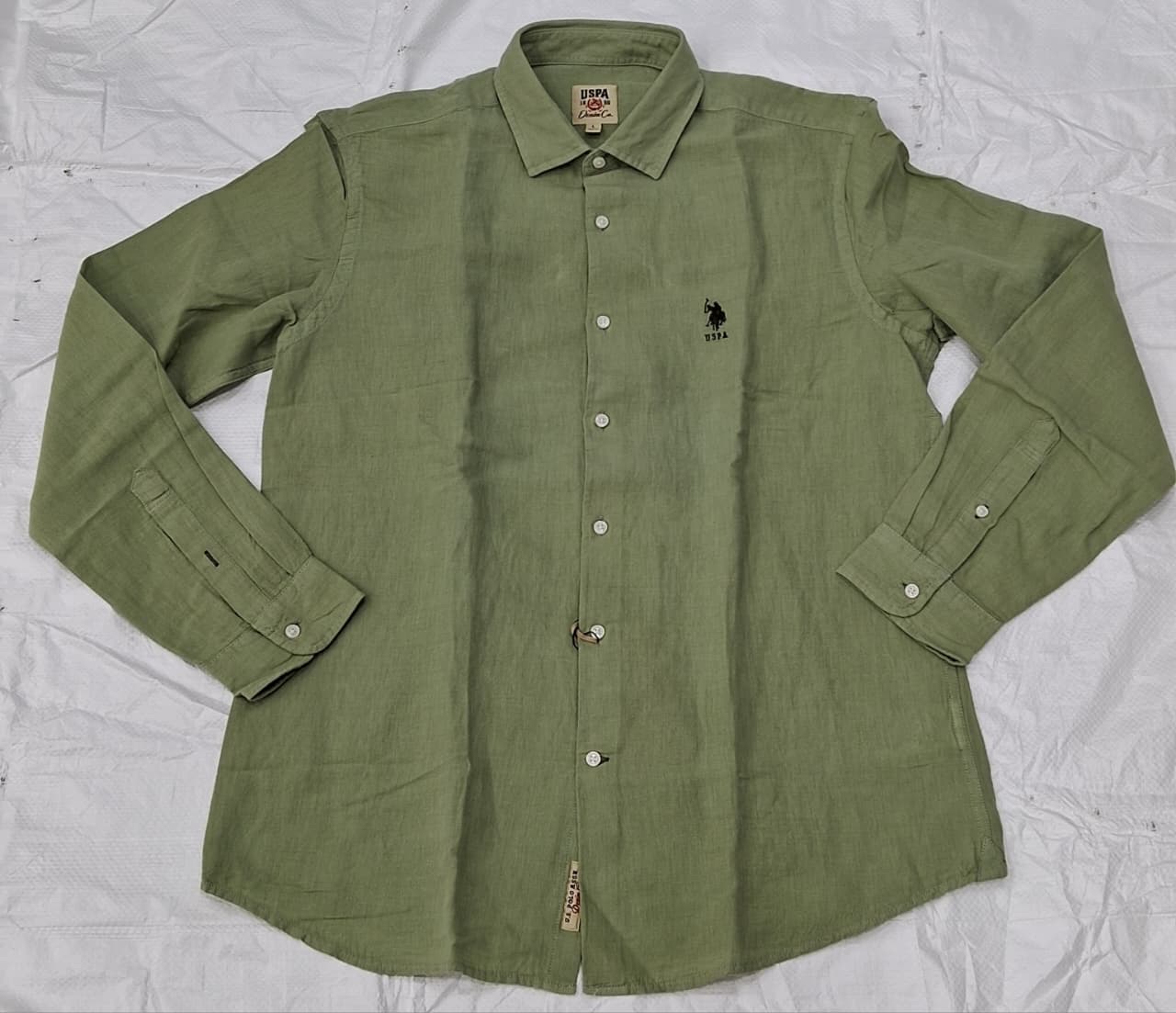
Olive green formal shirt with a chest emblem — Style Journal cover
Cover — Issue 01Olive
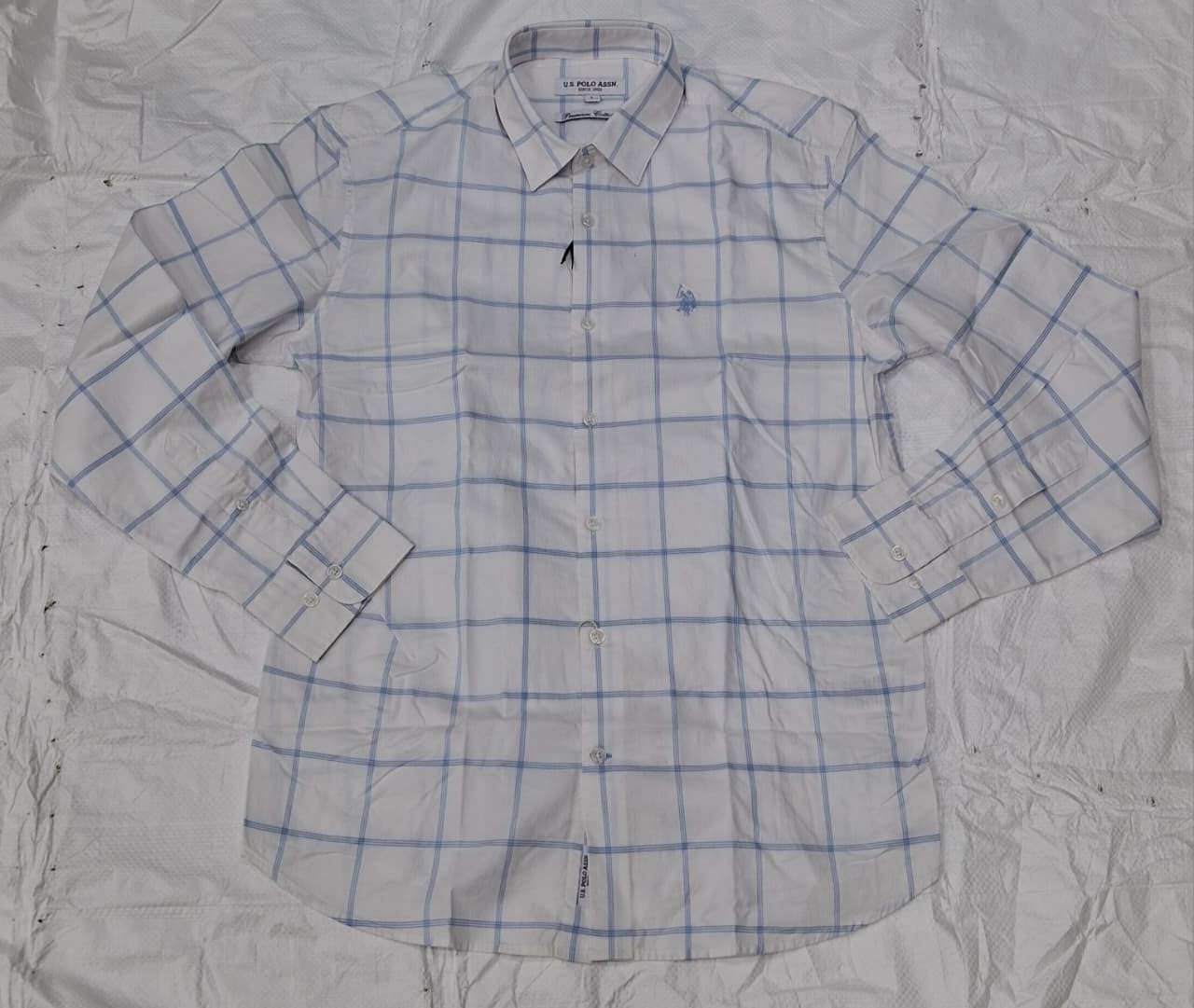
White formal shirt with a blue windowpane check
Fig. 01History

No. 01History6 min read

The Evolution of Men's Formal Shirts

From hidden undergarment to the centrepiece of business dress — how the formal shirt changed with the way men live and work.

An undergarment with ambitions

For centuries the shirt was underwear: a simple linen garment worn against the skin to protect costly outer clothes. Only the collar and cuffs were visible, and they became the place where status was displayed — in fine linen, lace and, later, starched white cotton.

Detachable collars and the white-collar worker

In the nineteenth century, collars and cuffs were frequently detachable. They could be washed and starched separately, so a man might wear one shirt for several days with a fresh collar each morning. The crisp white collar became so linked with office work that it gave its name to an entire class of employment.

The attached collar and a lighter century

Through the early twentieth century, suits became lighter and less layered, waistcoats less universal and the shirt more visible. Attached, softer collars replaced detachable ones, colour and stripes entered the business wardrobe, and the button-down collar crossed over from sport into everyday dress.

The modern formal shirt

Today, in many offices the shirt carries the outfit on its own, often without a tie or jacket. That has made fit and fabric more important than ever, and given rise to slimmer cuts, performance finishes and a wider range of colours and patterns — such as the windowpane check pictured.

No. 02Essentials5 min read

The Complete Guide to White Formal Shirts

The single most useful shirt a man can own — and how to choose, wear and care for it.

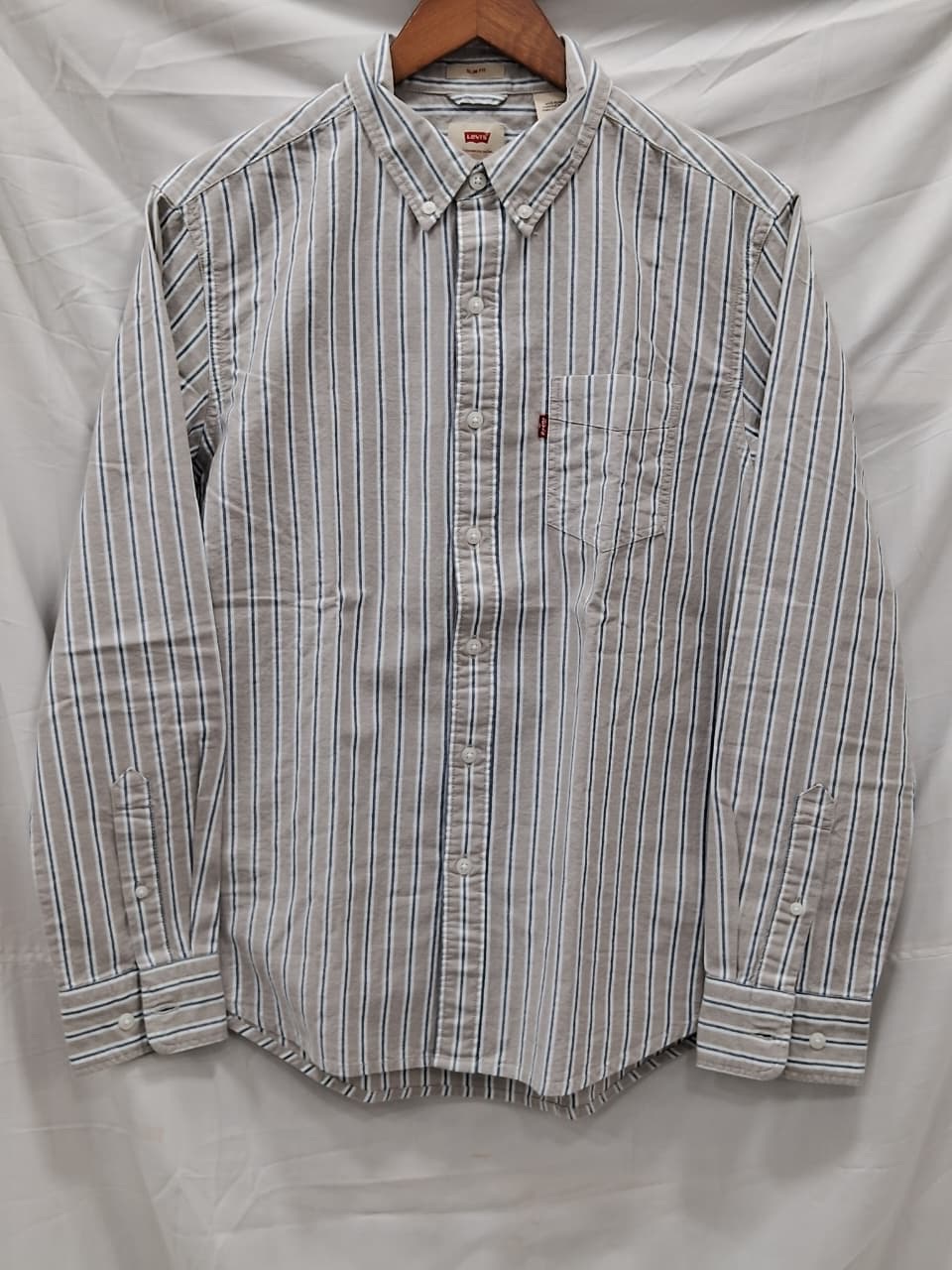
White formal shirt with a fine grey pinstripe on a hanger
Fig. 02Essentials

Why white works

White reflects light upwards onto the face, creates the strongest possible contrast with dark suiting and carries no associations of season or trend. It is appropriate for interviews, boardrooms, weddings and dinners alike — the definition of a wardrobe foundation.

Not all whites are equal

A smooth poplin white looks crisp and formal; a textured oxford or dobby white looks softer and more relaxed. White grounds with a fine tonal or grey stripe, like the shirt shown, keep the brightness of white while adding a hint of depth. Opacity matters too: a slightly heavier cloth avoids the sheerness of very light whites.

How to wear it

For maximum formality: white shirt, charcoal or navy suit, dark solid tie, black shoes. For business casual: open collar under a navy blazer with grey trousers. For evening: white with French cuffs and a dark suit. Explore more pairings in our colour guide.

Keeping it white

Wash whites separately, treat collar and cuff marks promptly, and avoid over-bleaching, which can yellow cotton over time. Rotate at least two white shirts so each rests between wears. Browse white formal shirts in our collections guide.

No. 03Fit5 min read

How to Select the Right Shirt Fit

Six checkpoints that tell you, in under a minute, whether a formal shirt truly fits.

1. Collar

Fastened, the collar should allow one or two fingers between neck and fabric. Too tight and it pinches; too loose and it collapses under a tie.

2. Shoulders

The shoulder seam should sit at the edge of your shoulder bone. This is the hardest point to alter, so prioritise it.

3. Chest

Buttons should lie flat without pulling into an X. You should be able to cross your arms without strain.

4. Waist

There should be no large billow of fabric when tucked in. Slim fits taper noticeably; regular fits fall straight; tailored fits sit between.

5. Sleeves

With arms relaxed, the cuff reaches the base of the thumb. The sleeve should be slim enough not to balloon, with room to bend the elbow.

6. Length

The shirt should stay tucked when you raise your arms or sit down. Our Fit & Fabric lab compares slim, regular and tailored fits side by side.

No. 04Business6 min read

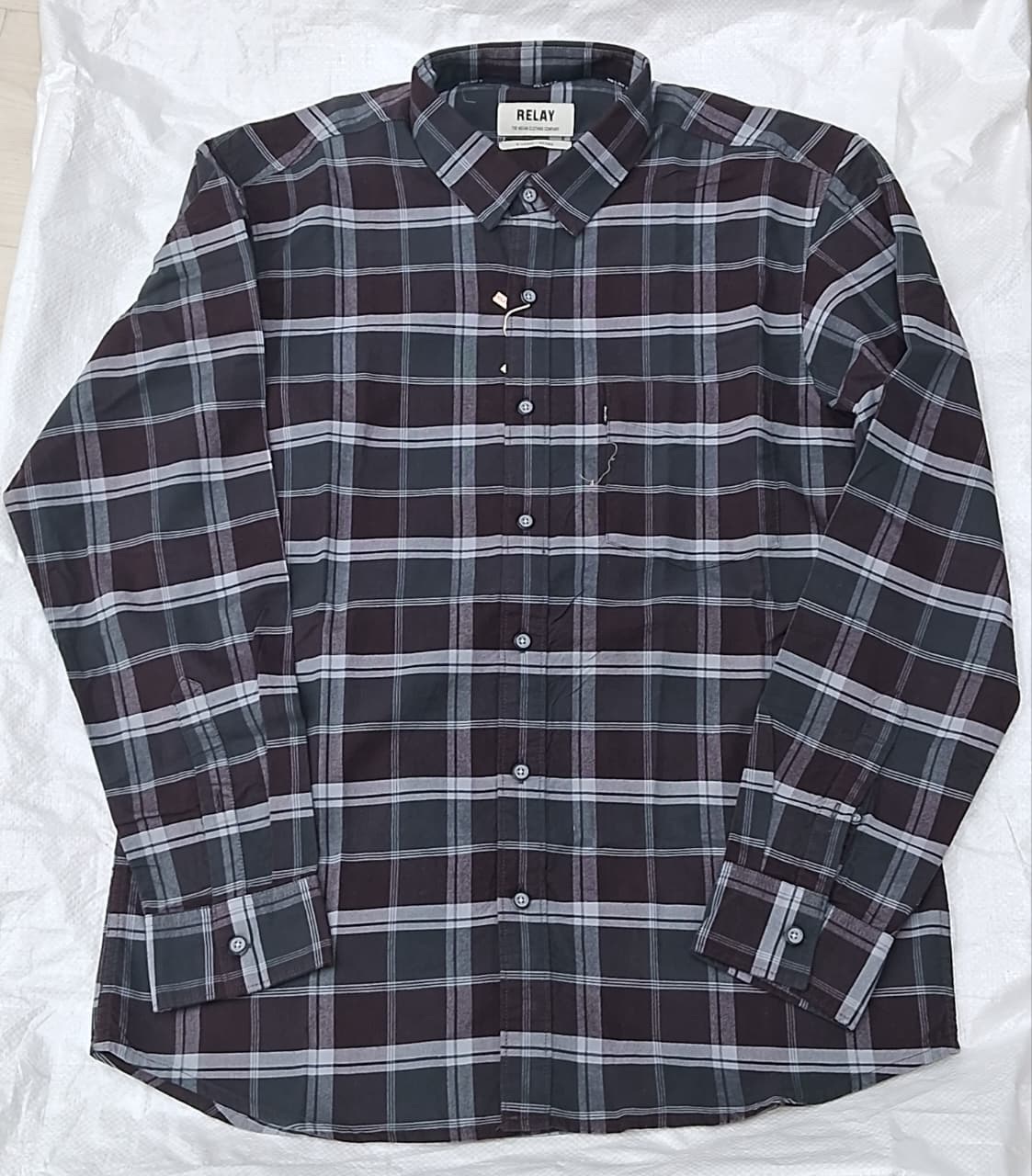
Plum, white and navy check formal shirt laid flat
Fig. 04Business

The Modern Executive Wardrobe

What senior professionals wear now, why it has changed, and how to build an executive wardrobe that lasts.

From uniform to judgement

A generation ago, executive dress was a uniform: dark suit, white shirt, conservative tie. Today, dress codes vary by industry, company and even day of the week. The modern executive is expected to judge the room — and the shirt is the most flexible tool for doing so.

The core

Begin with white and light blue in your preferred fit, in fabrics that keep a sharp collar. Add fine stripes for character and deep solids for evenings. Checks, such as the plum and navy pattern shown, belong to relaxed days and travel.

Quality signals

Executives are seen up close. Neat stitching, well-anchored buttons, collars with structure and cuffs that sit at the wrist communicate care. A shirt that fits well and is pressed properly will always outrank an expensive one that is neglected.

Editing

Review your shirts every season. Retire any with frayed collars or faded colour. Replace like for like, and add one new piece at a time. See our executive dressing chapter for outfit formulas.

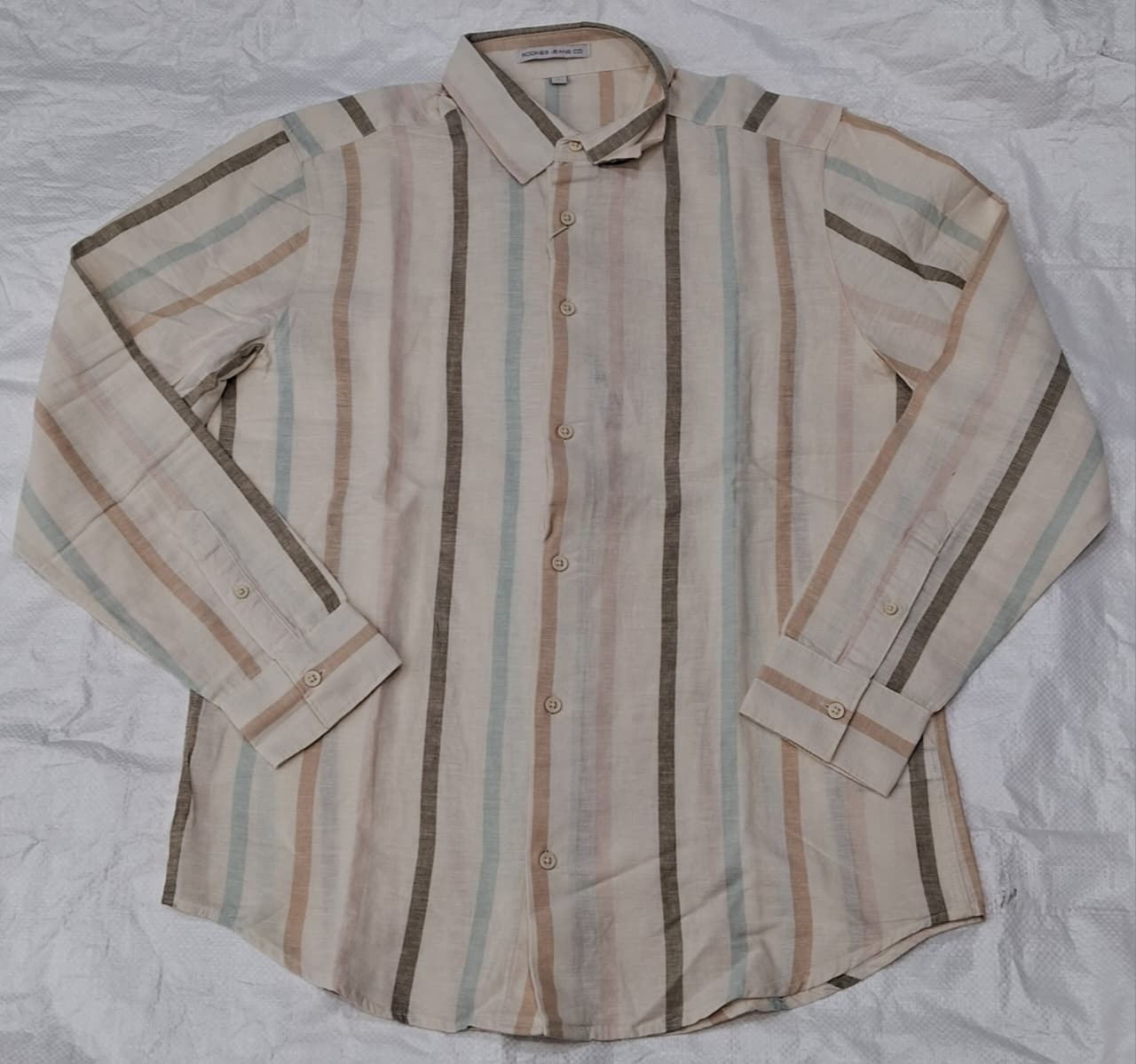
Multi-colour pastel striped formal shirt laid flat
Fig. 05Colour

No. 05Colour5 min read

Formal Shirt Colour Combinations

A practical system for pairing shirts and trousers — so every combination looks deliberate.

Start with contrast

The most reliable professional outfits place a lighter shirt against darker trousers: white with charcoal, light blue with navy, pale pink with grey. The contrast frames the upper body and looks organised from a distance.

Use tone for harmony

Tonal combinations — blue shirt, navy trousers — feel calm and approachable. They work well for long meetings and client-facing days where you want to appear open rather than imposing.

Patterns need a quiet partner

Striped and checked shirts look best with solid trousers. Pick a trouser colour already present in the pattern; a multi-colour stripe like the one pictured pairs well with grey, navy or stone.

Finish with leather

Match belt and shoes. Brown suits blue, grey and earth tones; black suits charcoal and formal evenings. The full pairing matrix is in Business Dressing.

No. 06Design4 min read

Understanding Shirt Collars

Spread, point, button-down and classic — what each collar says, and which suits your face and tie.

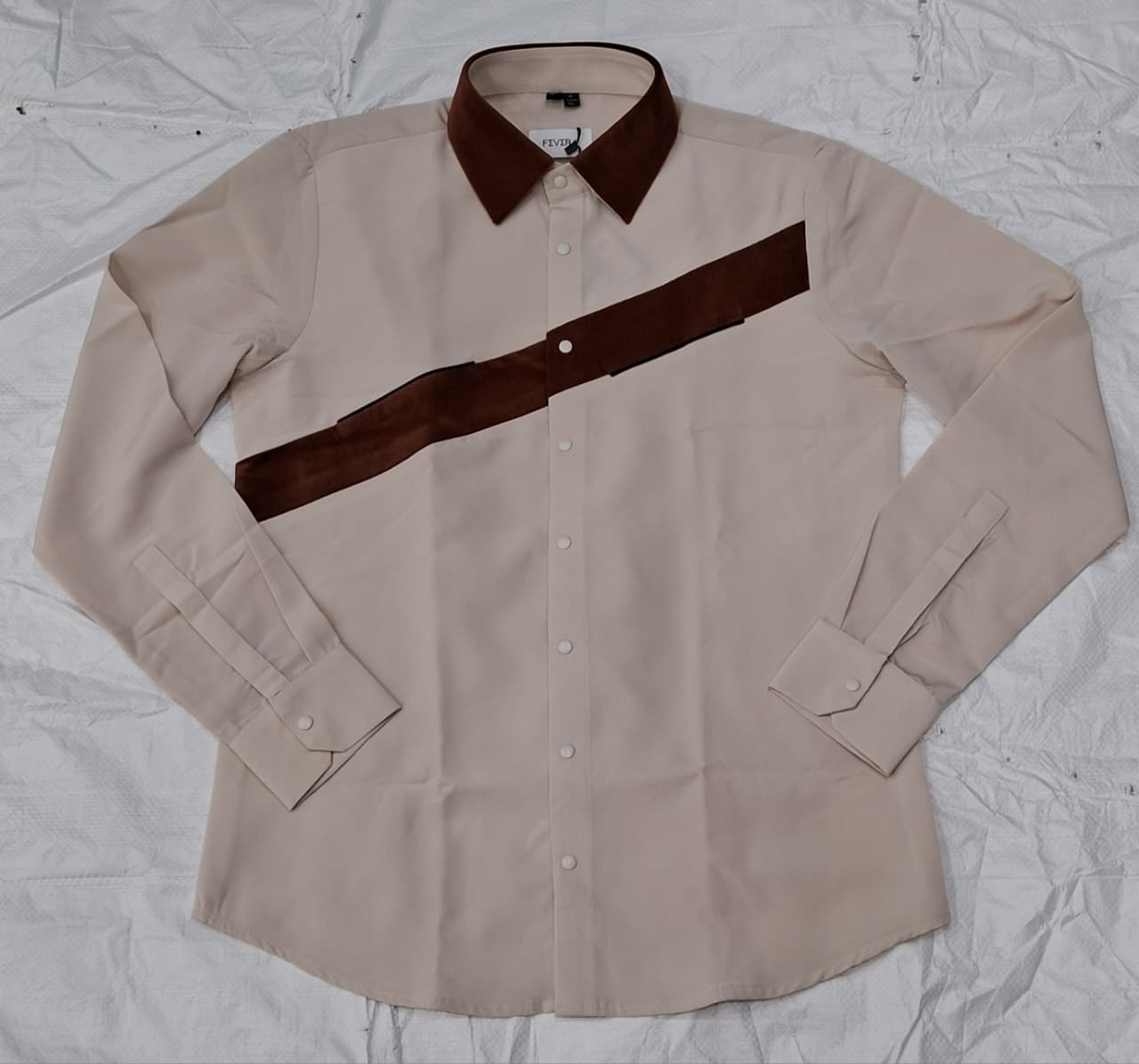
Cream shirt with a contrasting brown collar and diagonal band
Fig. 06Design

Spread and point

A collar's spread is the distance between its points. Wide spreads create horizontal lines that balance narrow faces and suit larger tie knots. Narrow point collars draw the eye down, lengthening rounder faces and suiting slim ties.

Classic and button-down

The classic semi-spread sits in the middle and suits almost everyone — the safest choice for business shirts. The button-down fastens its points to the shirt, giving a soft roll; it is slightly less formal and ideal without a tie.

Contrast collars

A collar in a different colour or fabric from the body, like the shirt pictured, turns the collar into a deliberate design feature. Classic contrast collars — white collar on a striped body — have a long tradition in formal dress; bolder treatments belong to fashion-forward and evening wear.

Collar and knot

Match knot size to spread: four-in-hand for point collars, half-Windsor for classic, fuller knots for wide spreads. Our technical collar drawings show the differences in detail.

No. 07Occasion4 min read

Formal Dressing for Business Meetings

How to read the room before you enter it — and choose the shirt that matches.

Know the room

A first meeting with an external client, a pitch, an internal review and a casual catch-up all call for different levels of formality. When in doubt, dress slightly above the expected level; it is easier to remove a tie or jacket than to add one.

External and senior meetings

White or light blue, a structured collar, a jacket and polished shoes. Keep patterns minimal so attention stays on the conversation.

Internal and regular meetings

More latitude: fine stripes, small checks such as the one shown, and deeper solids. Tailored trousers and a well-fitted shirt without a tie are appropriate in most offices.

Video meetings

Solids and soft stripes read best on camera; very fine stripes and small checks can shimmer. Mid-tone blues are especially flattering on screen. See Business Meetings for a pre-meeting checklist.

No. 08Styling4 min read

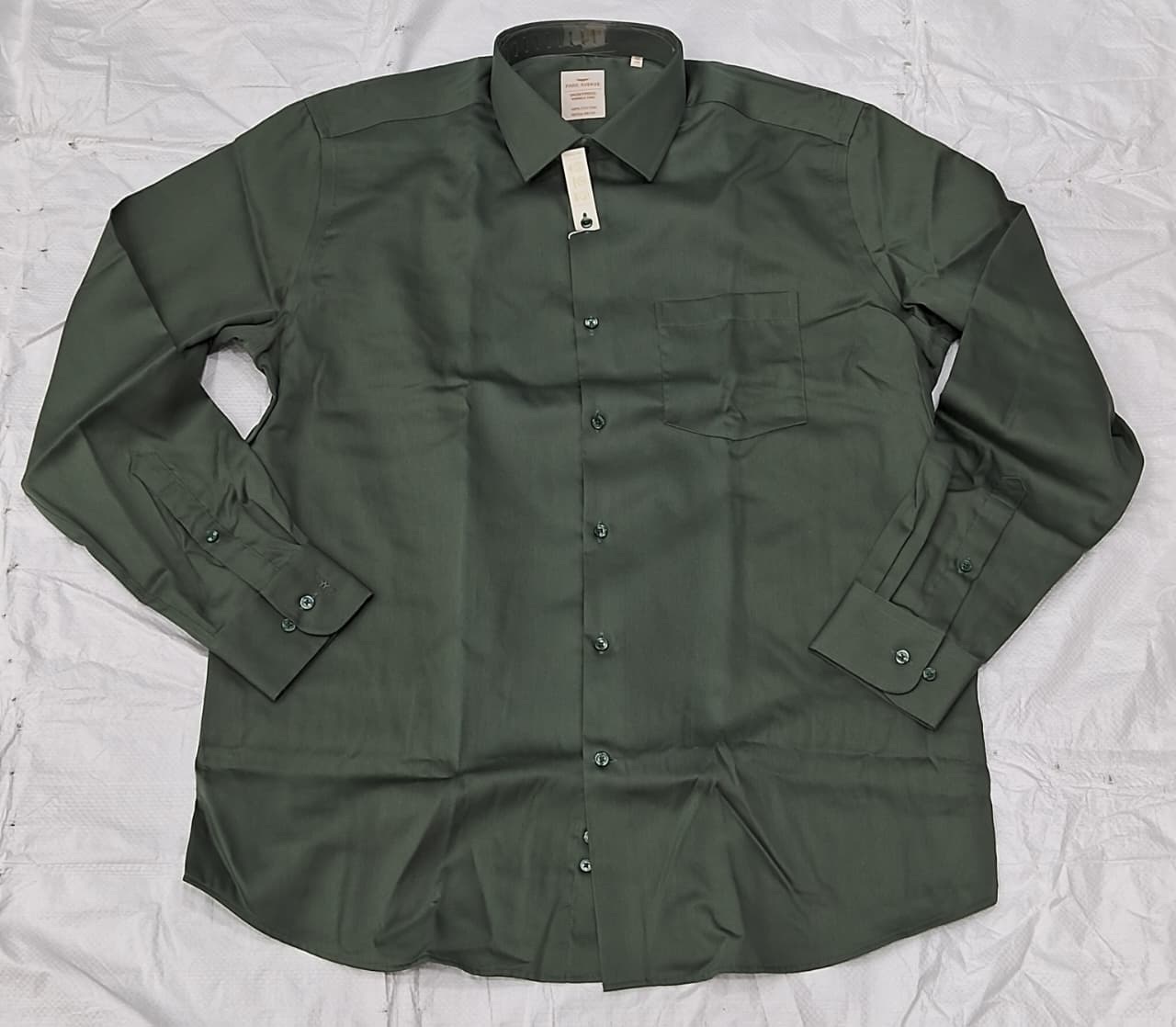
Olive green formal shirt laid flat
Fig. 08Styling

How to Coordinate Shirts and Trousers

Colour, proportion and texture — three rules that make any shirt and trouser look like they belong together.

Colour

Pair light with dark for a crisp frame, or tone on tone for harmony. Earthy shirts such as the olive shown pair well with beige, stone, navy and grey; avoid matching shirt and trouser in exactly the same shade.

Proportion

Match the cut of your shirt to the cut of your trousers. A slim-fit shirt sits naturally with tapered trousers; a regular-fit shirt balances a straight leg. Mismatched proportions — a full shirt with skinny trousers — distort the silhouette.

Texture

Smooth poplin shirts suit smooth wool and polyester-blend trousers; textured oxford and linen-look shirts suit cotton chinos and textured weaves. Aligning texture keeps the outfit coherent.

The tuck and the belt

Formal shirts are tucked. A belt that matches your shoes completes the line; its buckle should align with the shirt placket. See the combinations matrix.

No. 09Material5 min read

The Importance of Fabric in Formalwear

Weave, weight and finish — why the cloth decides how a formal shirt looks at six in the evening.

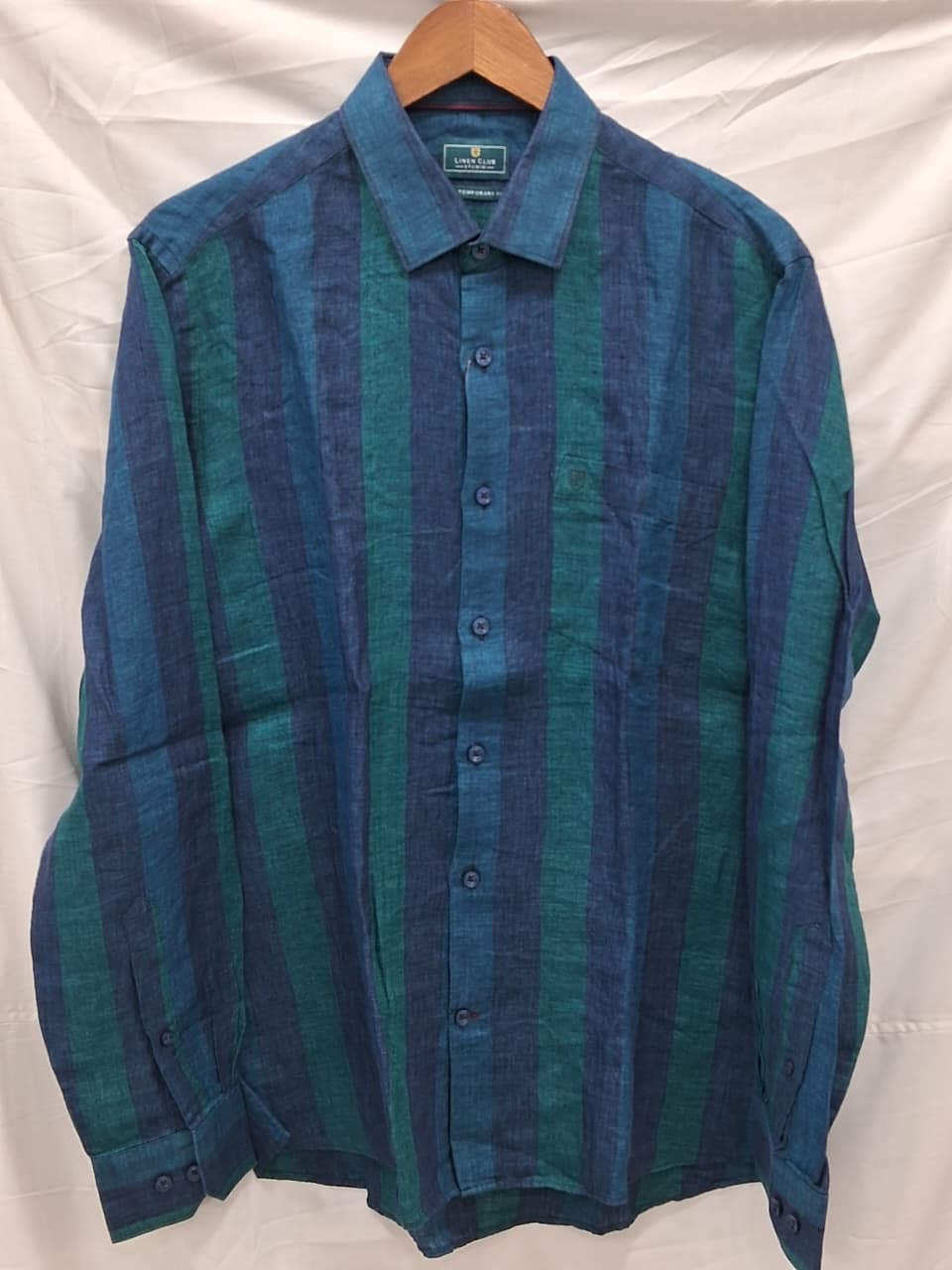
Blue and green striped shirt with a slubbed texture on a hanger
Fig. 09Material

Weave defines character

Poplin is smooth and crisp; oxford is textured and relaxed; twill has a soft diagonal sheen; pinpoint sits between poplin and oxford. Slubbed, linen-like weaves, like the striped shirt shown, look relaxed and breathe well. Each weave changes how formal a shirt reads, regardless of colour.

Weight and climate

In Mumbai's warm and humid climate, lighter, breathable fabrics keep you comfortable through long days. Heavier cloths hold their shape and suit air-conditioned offices and cooler months.

Drape and finishing

Drape — how the cloth falls — affects silhouette as much as cut does. Finishes such as mercerising add lustre, while easy-care finishes reduce creasing. Read the care label to understand what you are buying.

Quality you can feel

Run the fabric between your fingers: a good shirting cloth feels smooth, dense and resilient, and springs back after being creased. Compare fabrics in our fabric matrix.

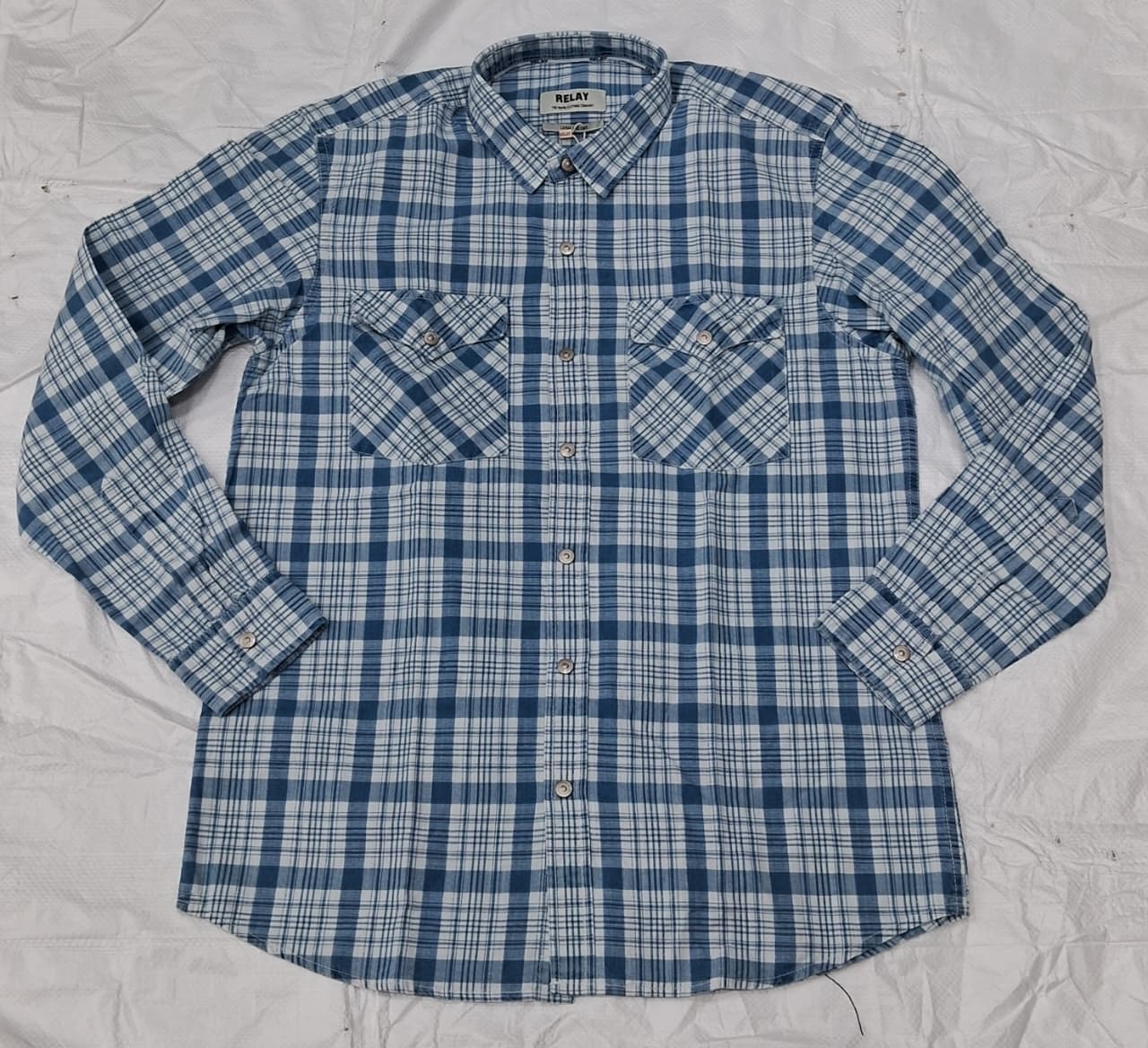
Blue and white check shirt with chest pockets laid flat
Fig. 10Wardrobe

No. 10Wardrobe5 min read

Building a Versatile Office Wardrobe

Seven shirts, three trousers, one blazer — a modular system for the working week.

Think in modules

A versatile wardrobe is built from pieces that combine freely. If every shirt works with every trouser, a small collection produces dozens of outfits — and dressing becomes quick and stress-free.

The seven shirts

Two white, two light blue, one fine stripe, one small check and one deeper solid. This covers business formal, business casual and evening events.

The supporting pieces

Charcoal, navy and stone trousers; a navy blazer; two ties; brown and black leather. Add a relaxed check like the one shown for travel days and Fridays.

Grow slowly

Add one piece at a time, filling a gap rather than duplicating. Track which shirts you reach for most and replace those first. For a complete checklist, see Office Wardrobe Essentials, or visit Options Mall in Juhu.

Read. Choose.
Wear well.

Turn the journal into a wardrobe — explore the collections by category.

Discover collections