Options Mall logo

ThaneMumbai

The Modern Formal Wardrobe / Options Mall

Fig.
01 / Campaign
Pattern
Bengal stripe
Collar
Spread
Trouser
Navy
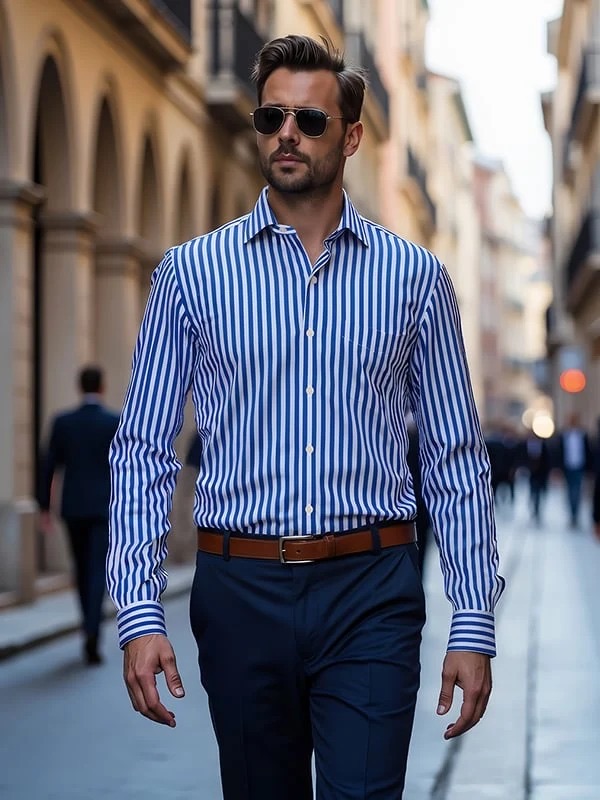
Man wearing a blue and white striped men's formal shirt with navy trousers — premium formal shirts for men in Thane and Mumbai

Campaign 01 — Form meets function

Precisionin everydetail.

Modern formal shirts. Refined silhouettes. A stronger sense of style.

03The language
of tailoring

Style is builton precision.

Introduction

A formal shirt is a small piece of architecture. Every panel, seam and button is placed for a reason — and the result is judged in a single glance across a meeting table.

From undergarment to statement

The men's formal shirt began life as an undergarment, hidden beneath waistcoats and coats, with only the collar and cuffs on show. In the nineteenth century those visible parts were often detachable, starched separately and replaced more often than the shirt itself. As tailoring moved towards lighter, more open suits through the twentieth century, the shirt stepped forward — collars became attached, fabrics became finer and the shirt became the foundation of business dress.

The tailoring inheritance

Traditional tailoring — the discipline associated with London's Savile Row and the great shirtmakers of Europe — taught a simple principle: a garment should follow the body without fighting it. That thinking still shapes a good formal shirt today, from the way the shoulder seam sits to the length of the sleeve beneath a jacket cuff.

Modern business attire

Office dressing has changed. Many workplaces have moved from the full suit and tie to a sharp shirt worn with tailored trousers, sometimes with a blazer, often without. That shift places more responsibility on the shirt: it now carries the outfit on its own, so fit, fabric and construction matter more than ever.

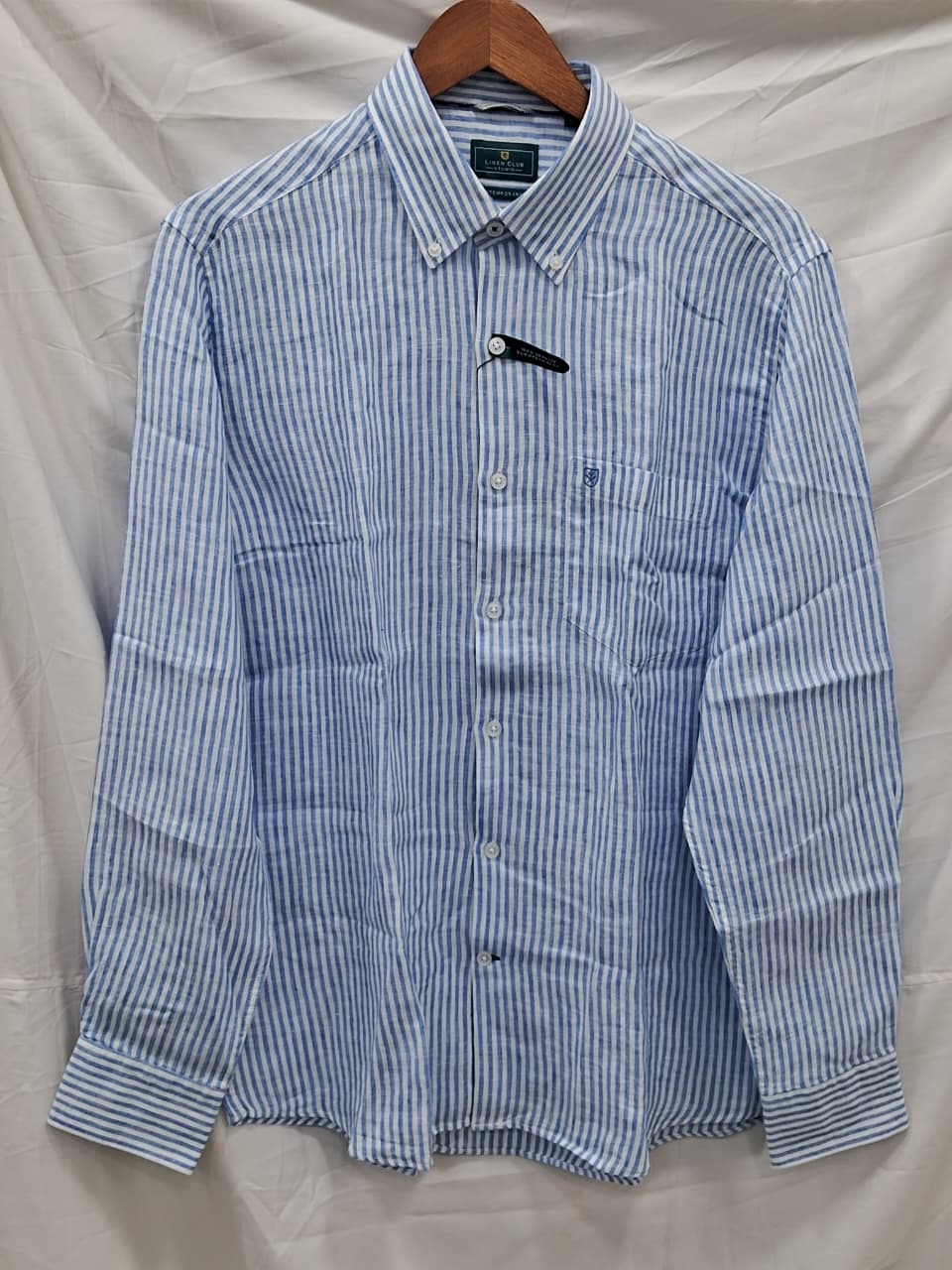
Blue and white striped formal shirt on a wooden hanger showing collar, placket and sleeve construction
PL. 03 — Striped shirt, hanger studyConstruction
  1. 19th c.Detachable, starched collars and cuffs; the shirt body stays hidden under waistcoats.
  2. Early 20th c.Attached collars become standard as suits grow lighter and less formal.
  3. Mid-centuryThe white and pale blue shirt become the uniform of office work worldwide.
  4. Late 20th c.Stripes, checks and colour broaden the business wardrobe.
  5. TodayShirt-led dressing: the shirt often carries the outfit without a tie or jacket.

Construction & fit

"Fit is the difference between a shirt that is worn and a shirt that is simply carried."

A shirt is assembled from a collar and collar stand, a front with its placket, a back with a yoke, two sleeves with plackets and cuffs, and the seams that join them. When these parts are cut in proportion, the collar sits close to the neck, the shoulder seam meets the edge of the shoulder and the body falls cleanly to the waist. When they are not, no amount of pressing can rescue the line. Professional presentation begins here: a well-fitted shirt signals care and attention long before a word is spoken — and it leaves room for personal style to show in colour, pattern and detail.
  1. P.01

    Design

    Proportions of collar, cuff and placket set the character of the shirt.

  2. P.02

    Fabric

    Weave and weight decide texture, drape, comfort and formality.

  3. P.03

    Fit

    Shoulder, chest, waist and sleeve in balance with the body.

  4. P.04

    Construction

    Seams, stitching and interlining that hold their shape.

  5. P.05

    Presentation

    Pressed, tucked and proportioned for a professional setting.

  6. P.06

    Personal style

    Colour and pattern choices that make the shirt your own.

04Collection
architecture

Ten categories.
One formal standard.

An index of men's formal shirts organised the way a wardrobe is built — from the essential white and blue shirt to stripes, checks and executive solids. Explore each category for styling context and professional use.

01Foundation
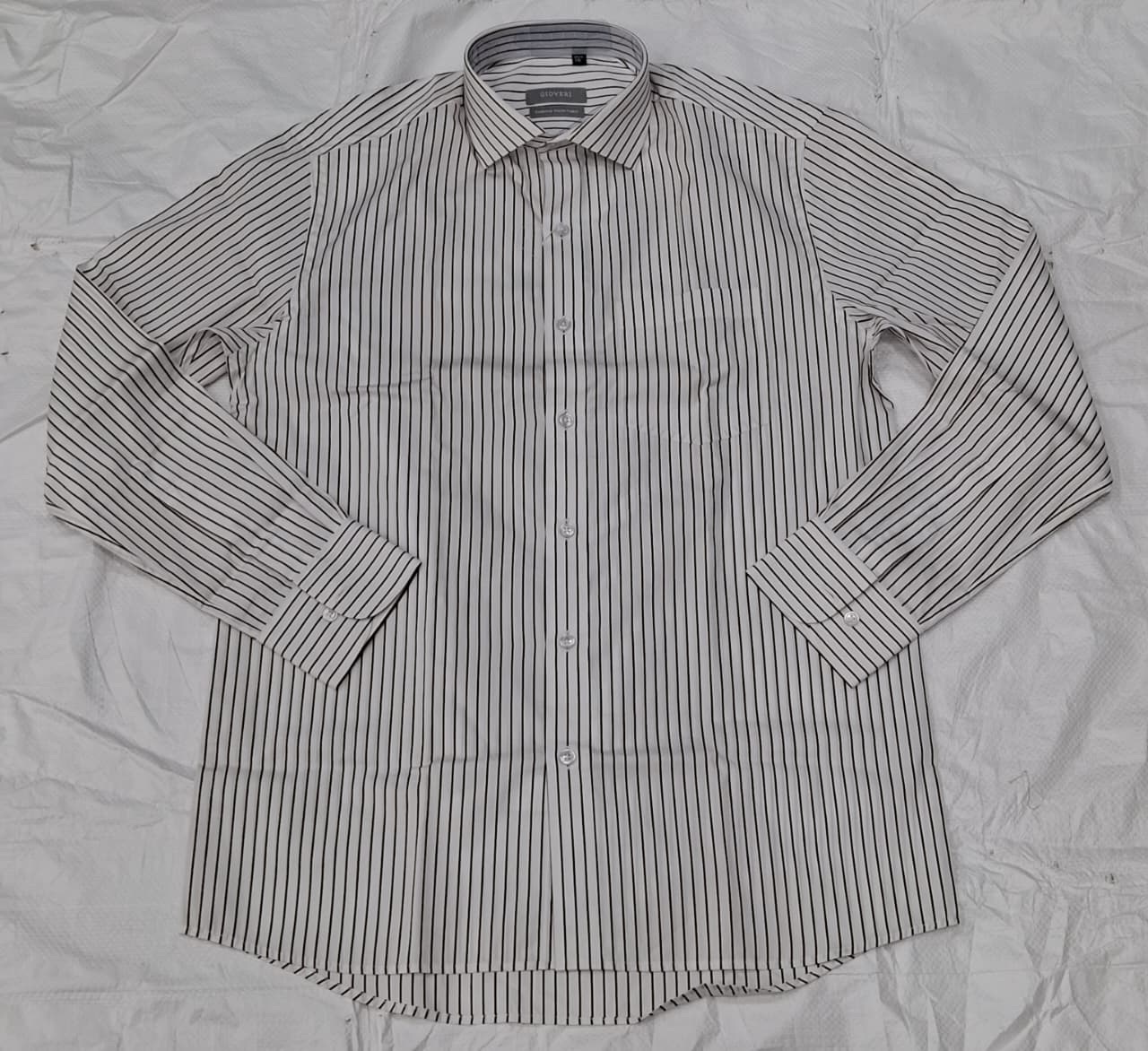
White formal shirt for men with a fine tonal stripe, laid flat

White formal shirts

The cornerstone of the formal wardrobe. A white shirt reflects light towards the face, pairs with every suit colour and reads as composed in any boardroom. Look closely and white has range — crisp plain weaves, subtle textures and fine tonal stripes like this one.

StylingCharcoal or navy trousers, a dark tie for formal meetings, or open-collared under a blazer for a modern office.

Discover
02Versatile
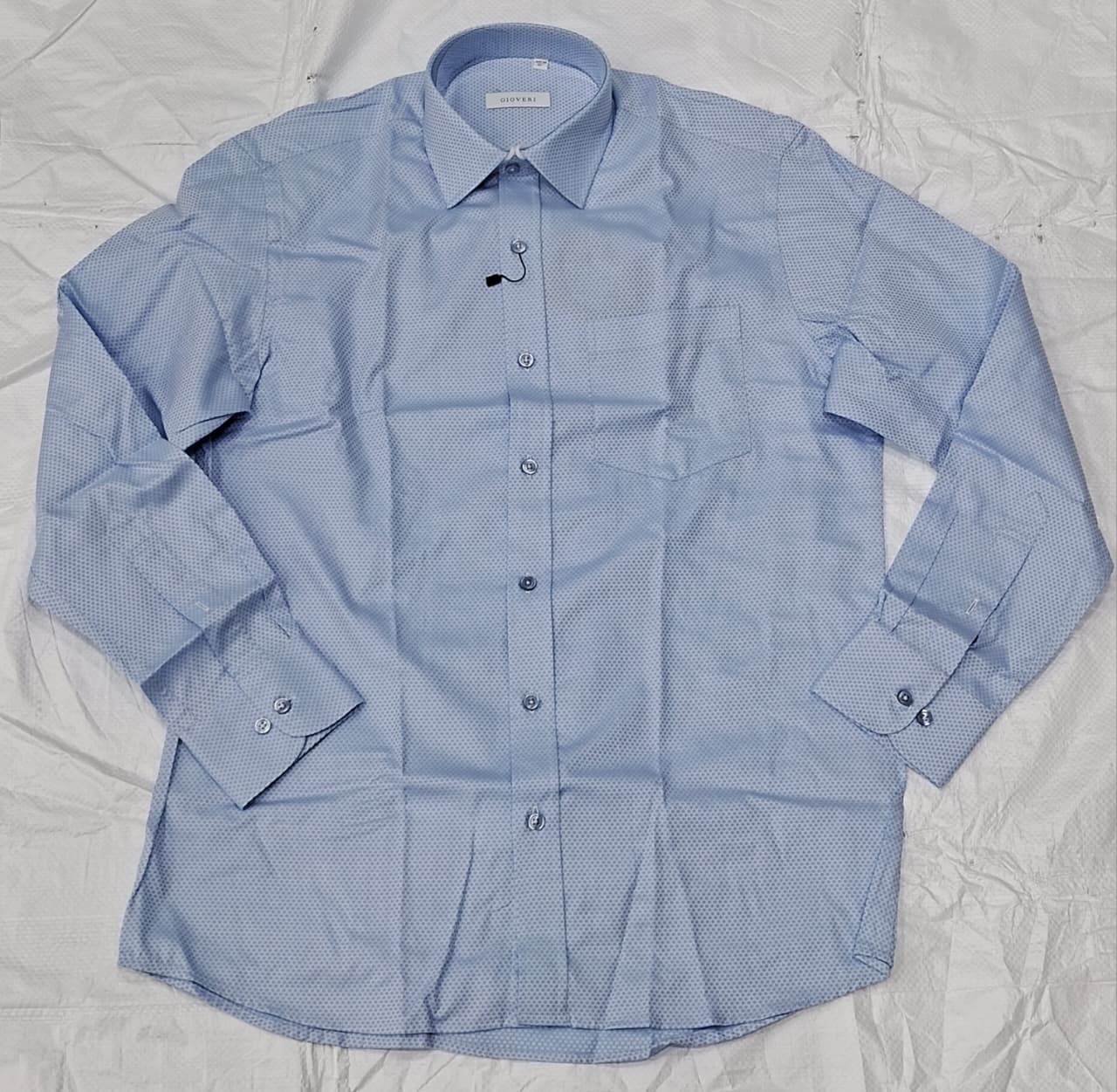
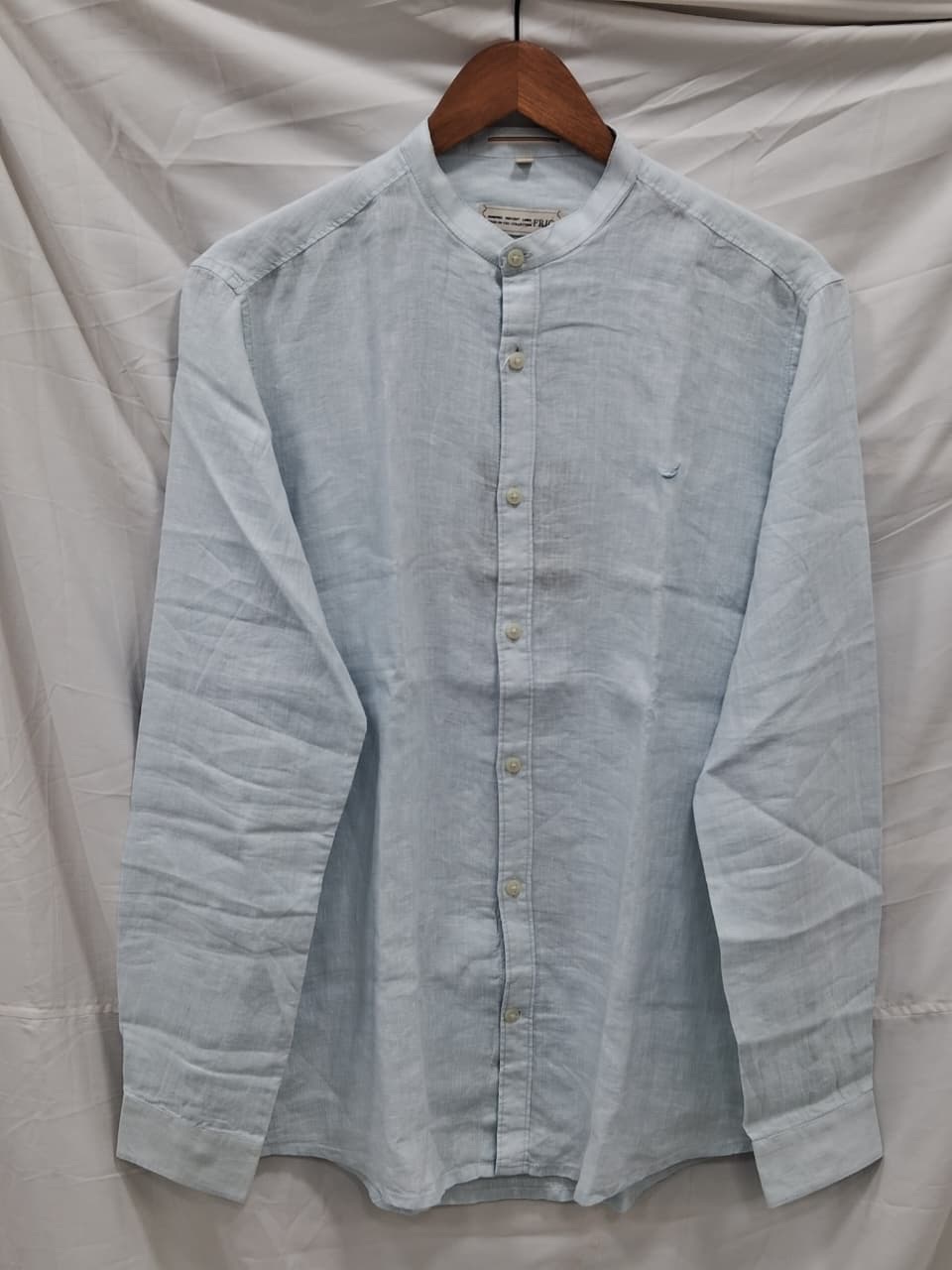
Light blue formal shirt for men with barrel cuffs and a semi-spread collar

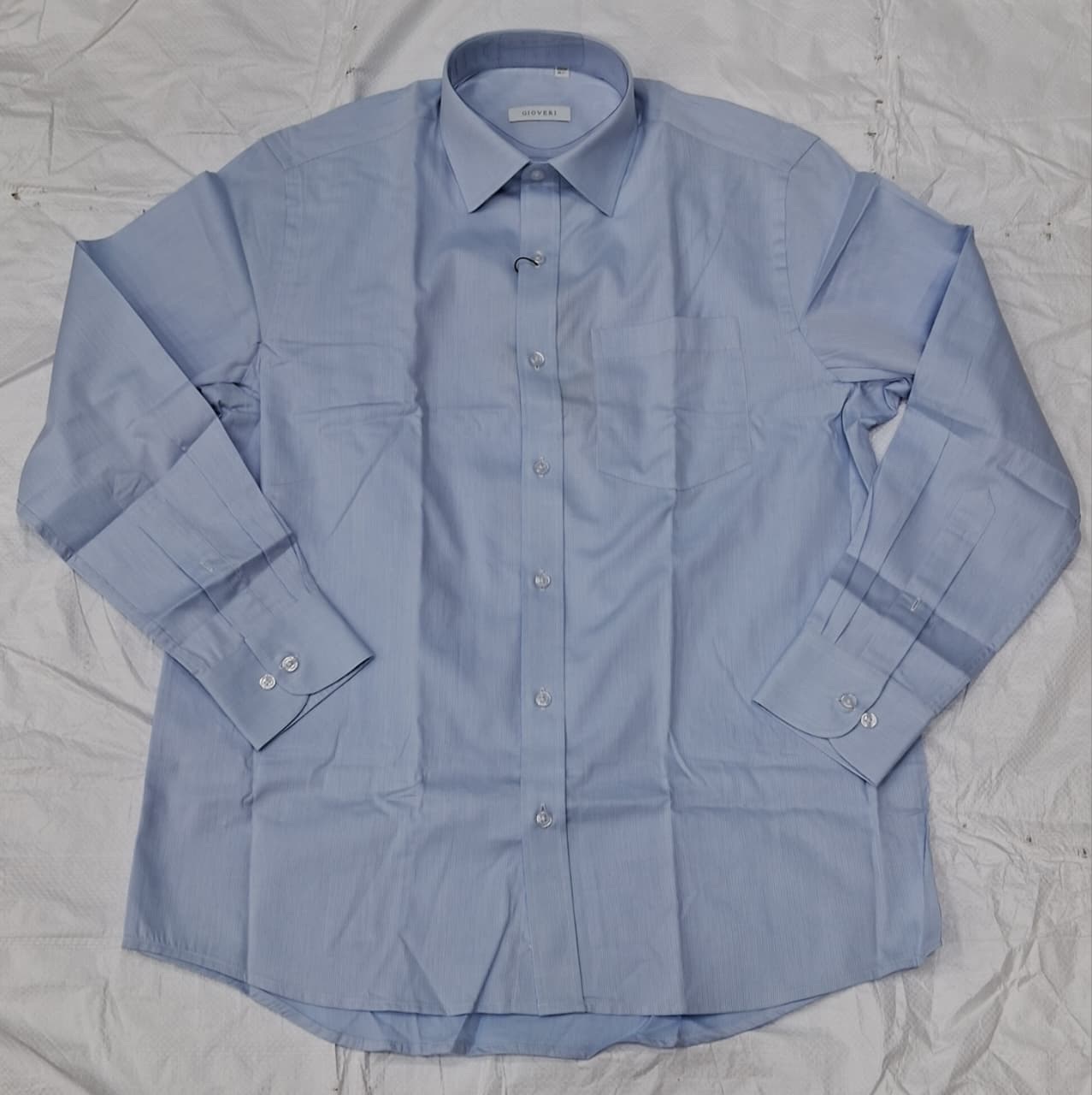
Blue formal shirts

Light blue is the most forgiving formal colour: it flatters most complexions and softens the contrast of a dark suit.

StylingNavy, grey or charcoal trousers; a burgundy or navy tie.

Discover
03Rhythm
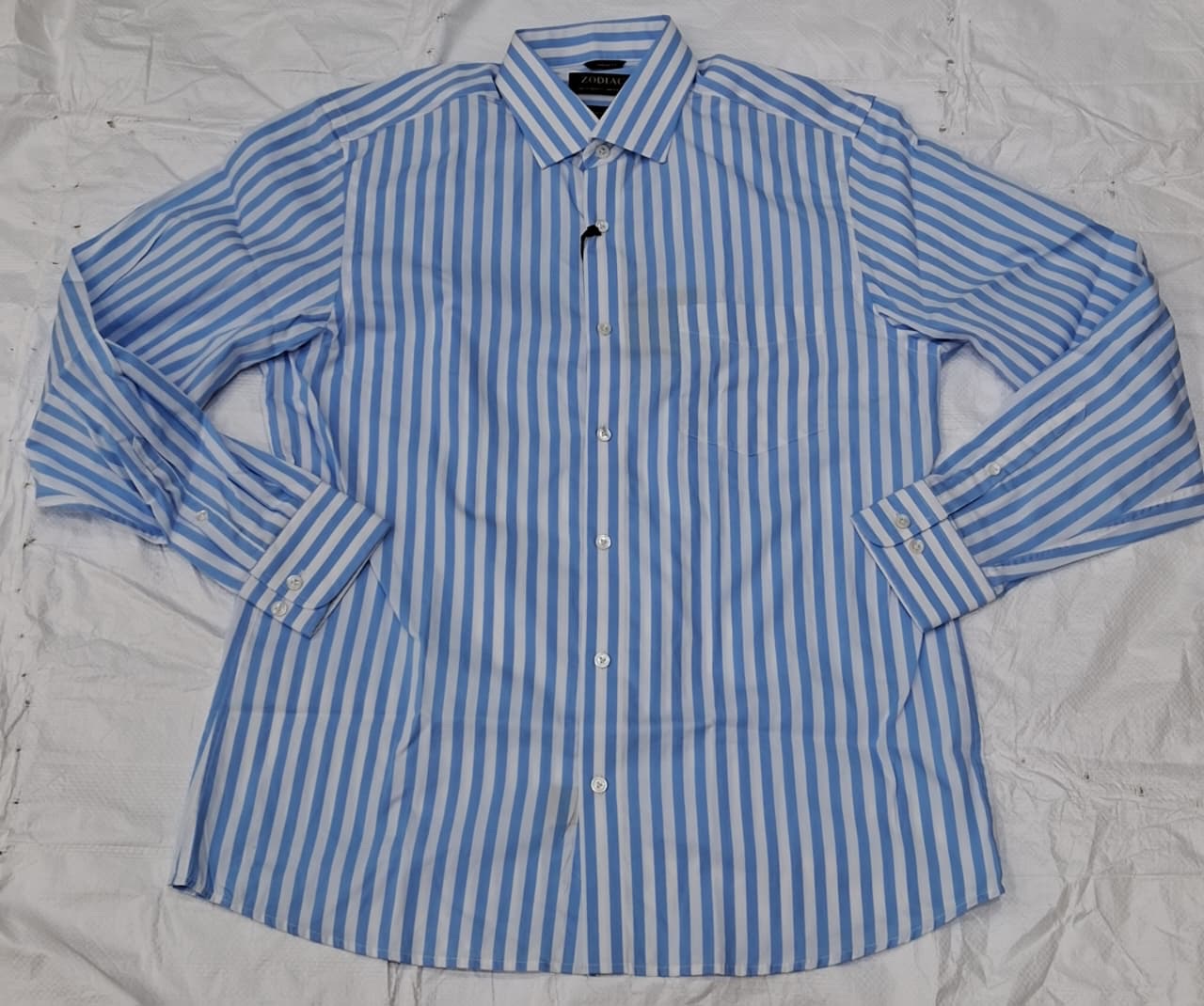
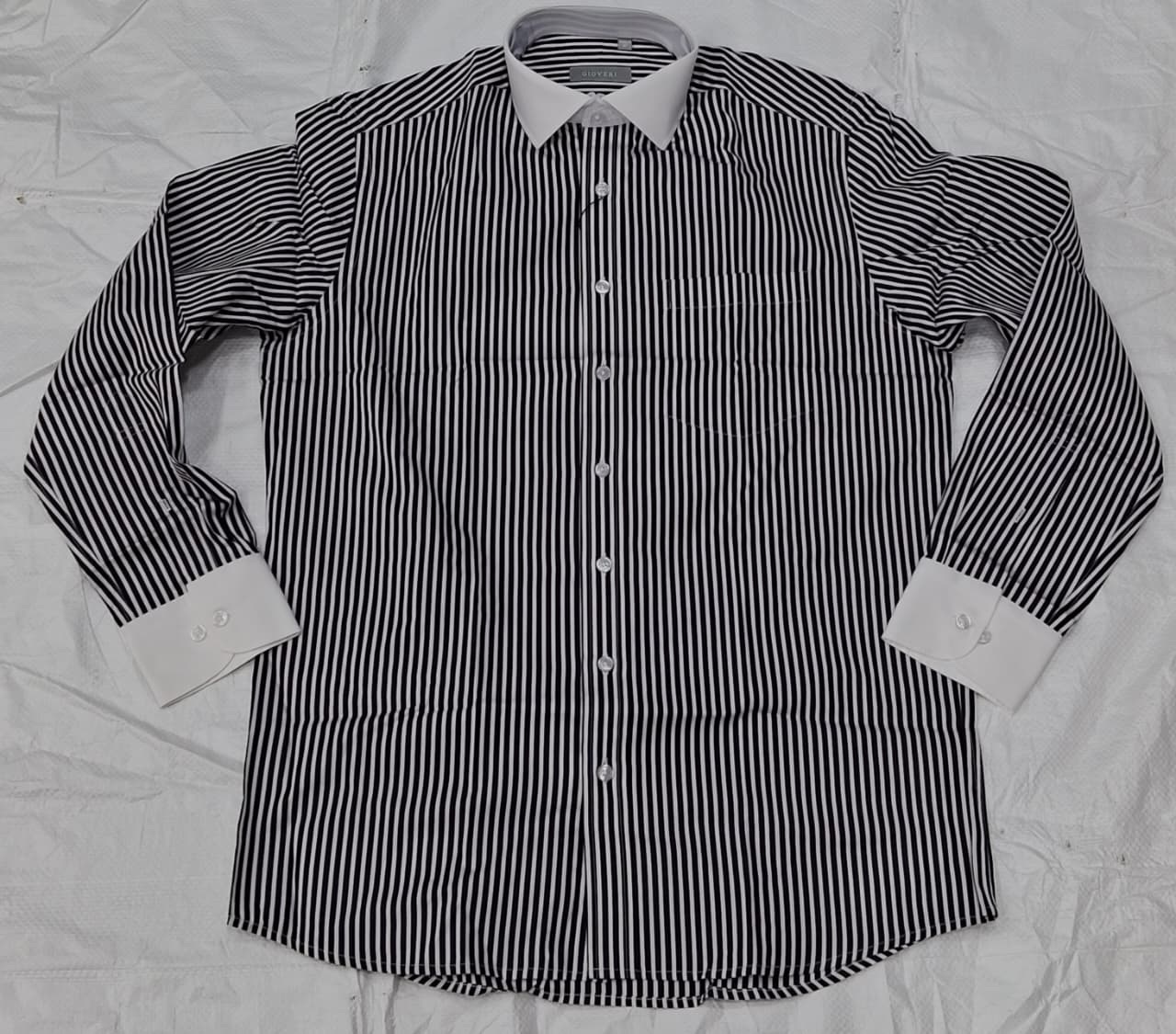
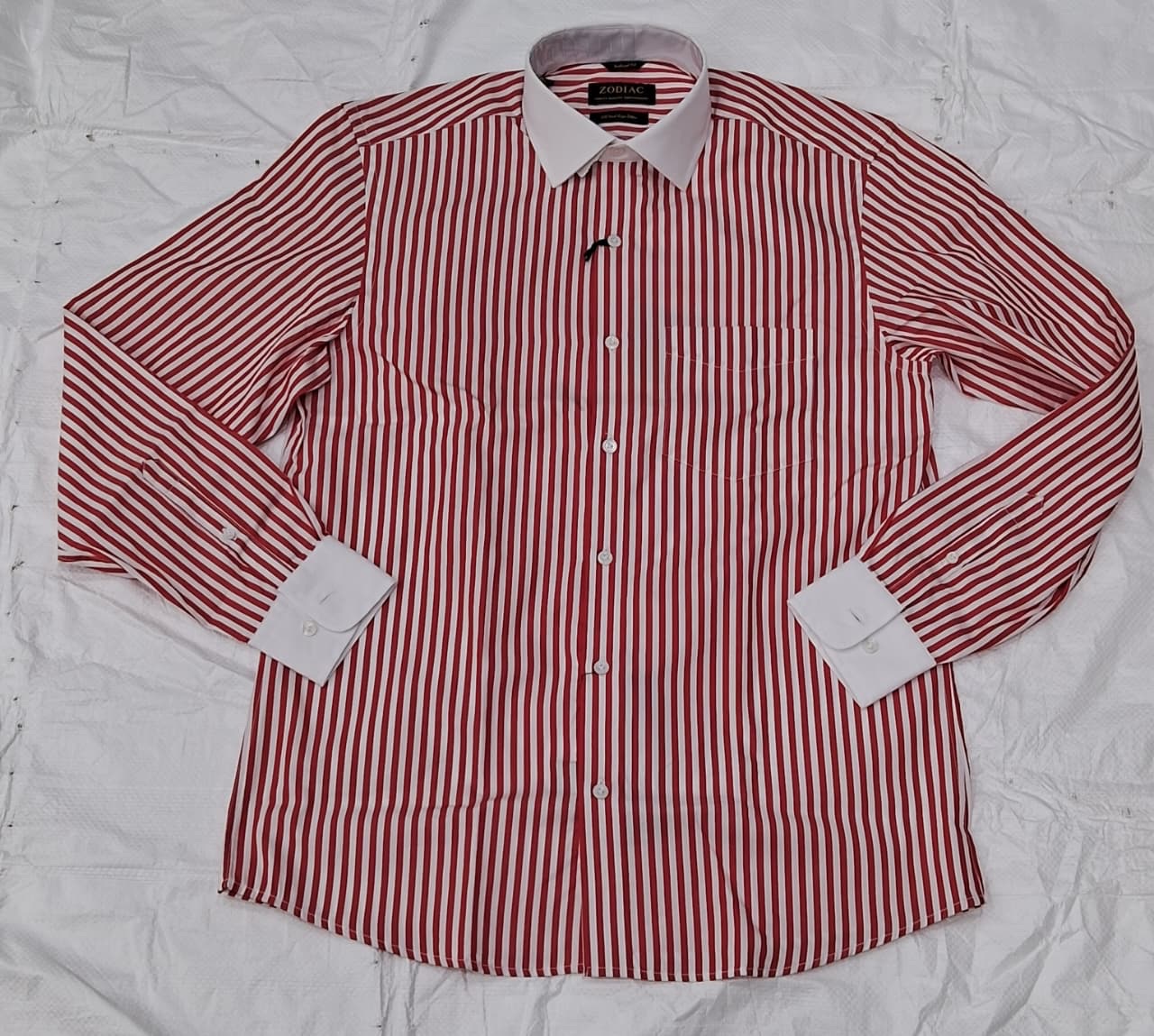
Blue and white Bengal striped formal shirt for men

Striped formal shirts

Vertical stripes add structure and lengthen the torso visually. Fine pinstripes read quiet; wider Bengal stripes read confident.

StylingKeep trousers solid and ties in a single plain colour.

Discover
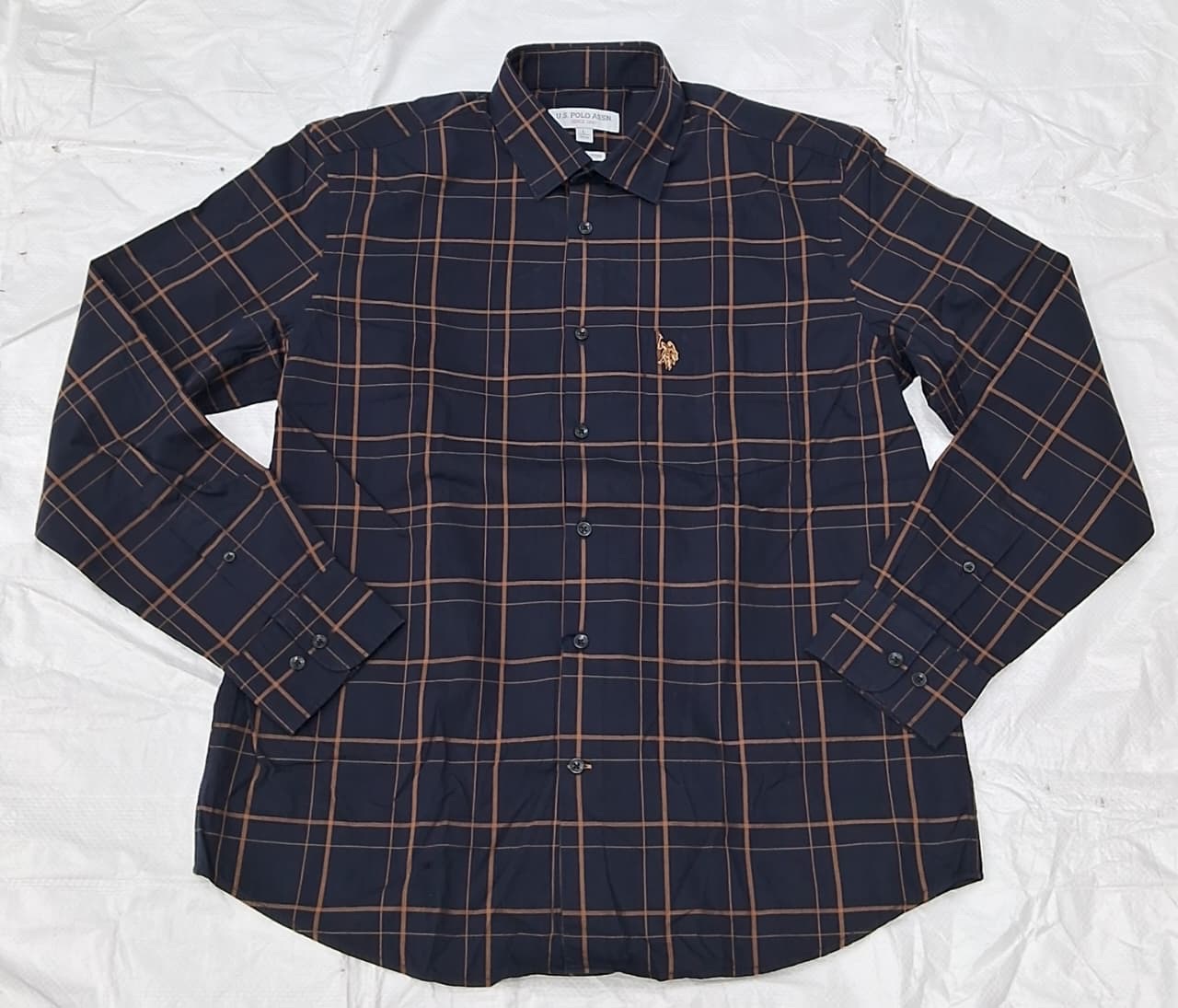
04Grid
Navy windowpane check formal shirt with fine copper-toned lines

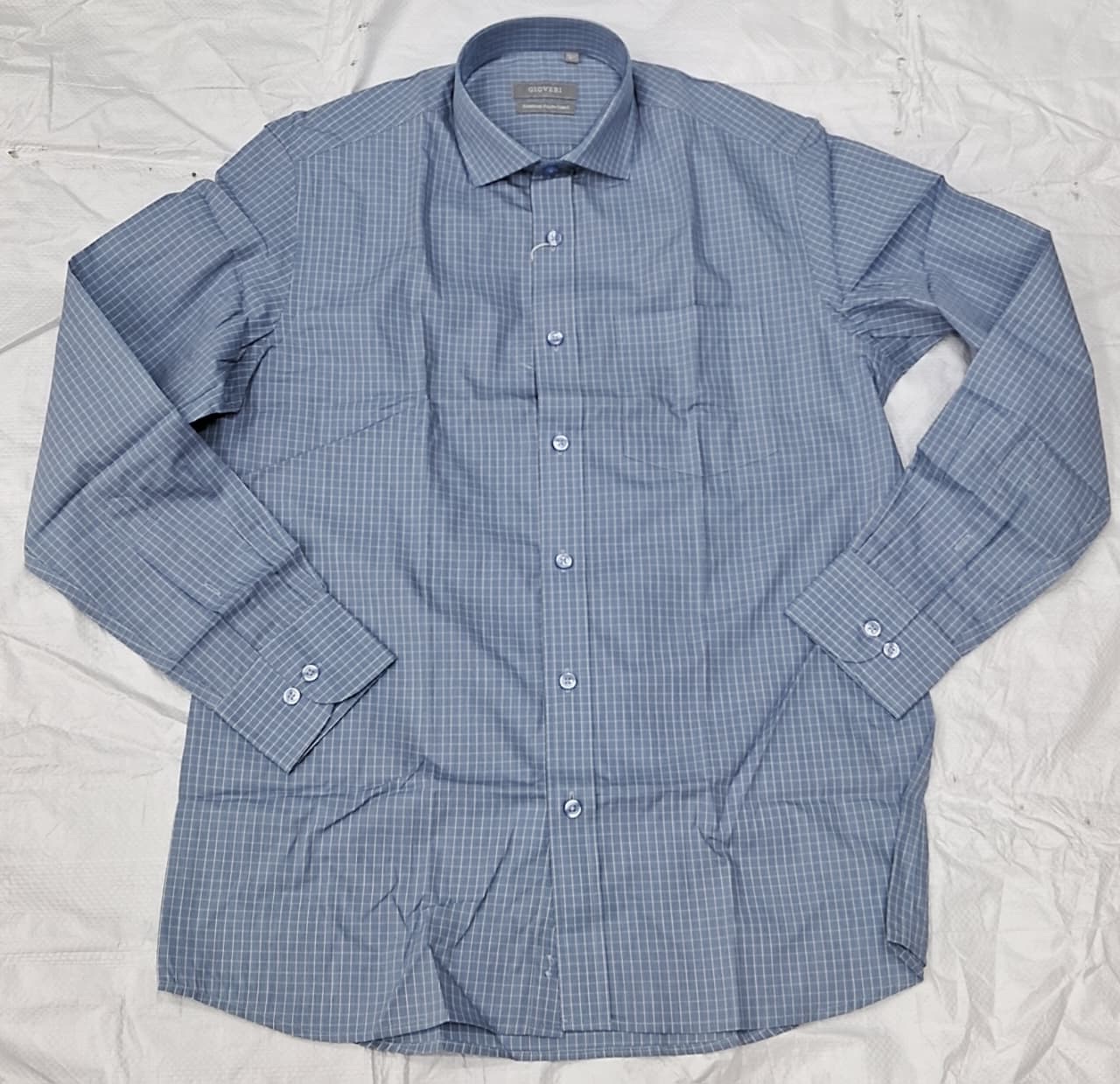
Checked formal shirts

From small gingham to open windowpane, checks bring texture to business dress while staying measured and orderly.

StylingSolid trousers, ideally picking up one colour from the check.

Discover
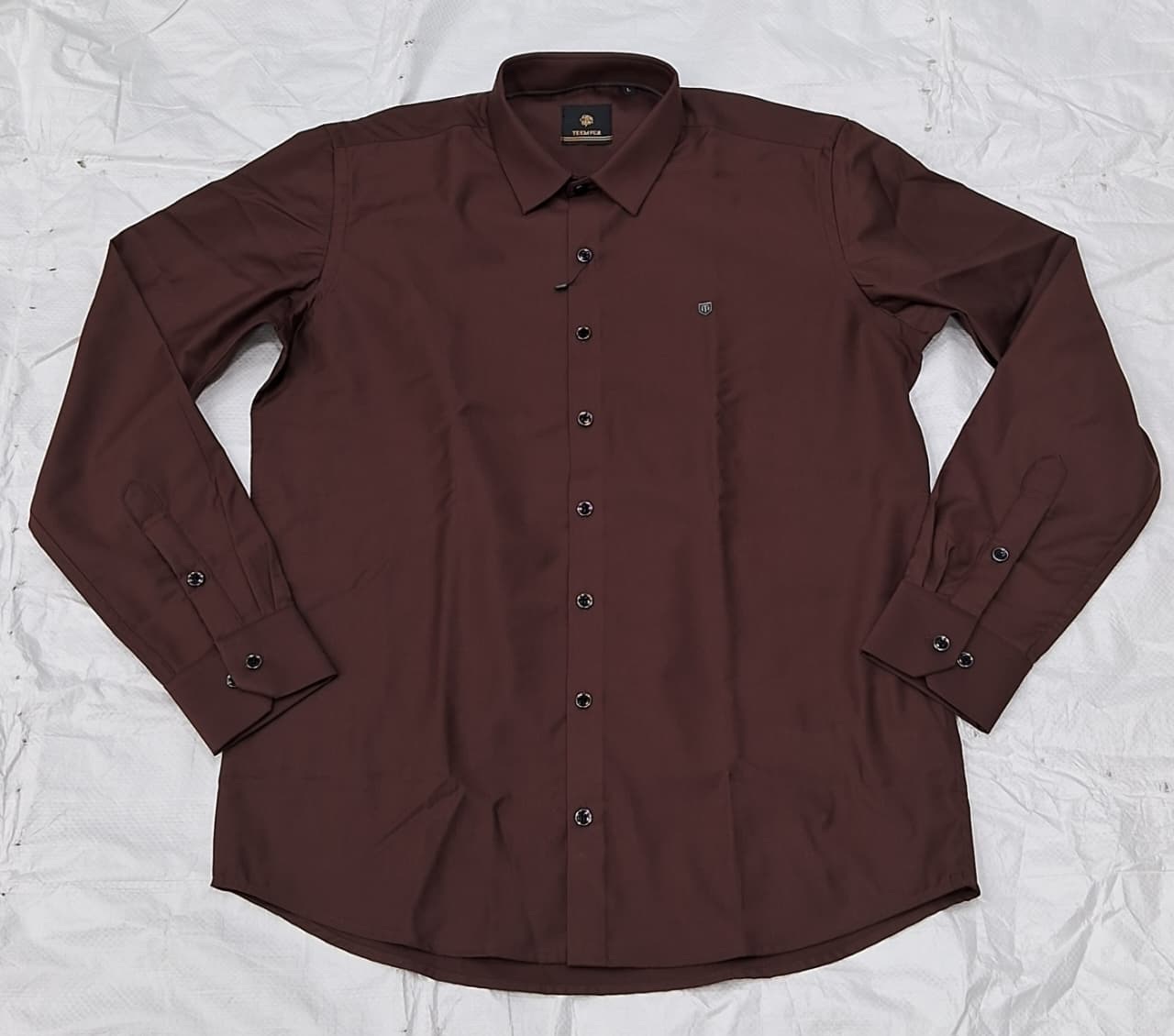
05Tone
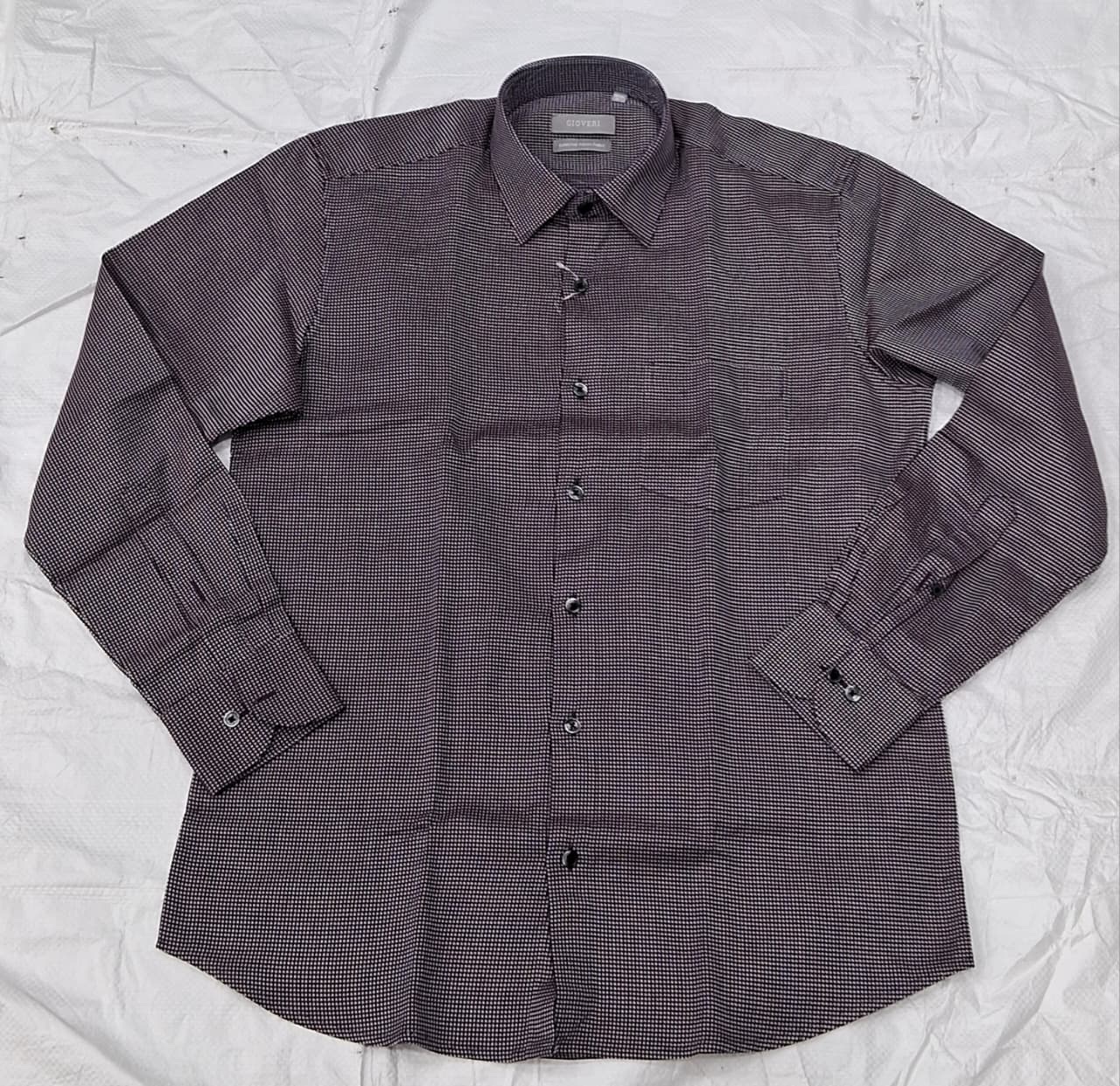
Maroon solid colour formal shirt for men

Solid colour formal shirts

Deeper solids — maroon, plum, olive, teal — move beyond white and blue while keeping the clean surface of a formal shirt. They work particularly well for evening events and less conservative offices.

StylingPair rich solids with grey, beige or navy trousers and keep accessories minimal.

Discover
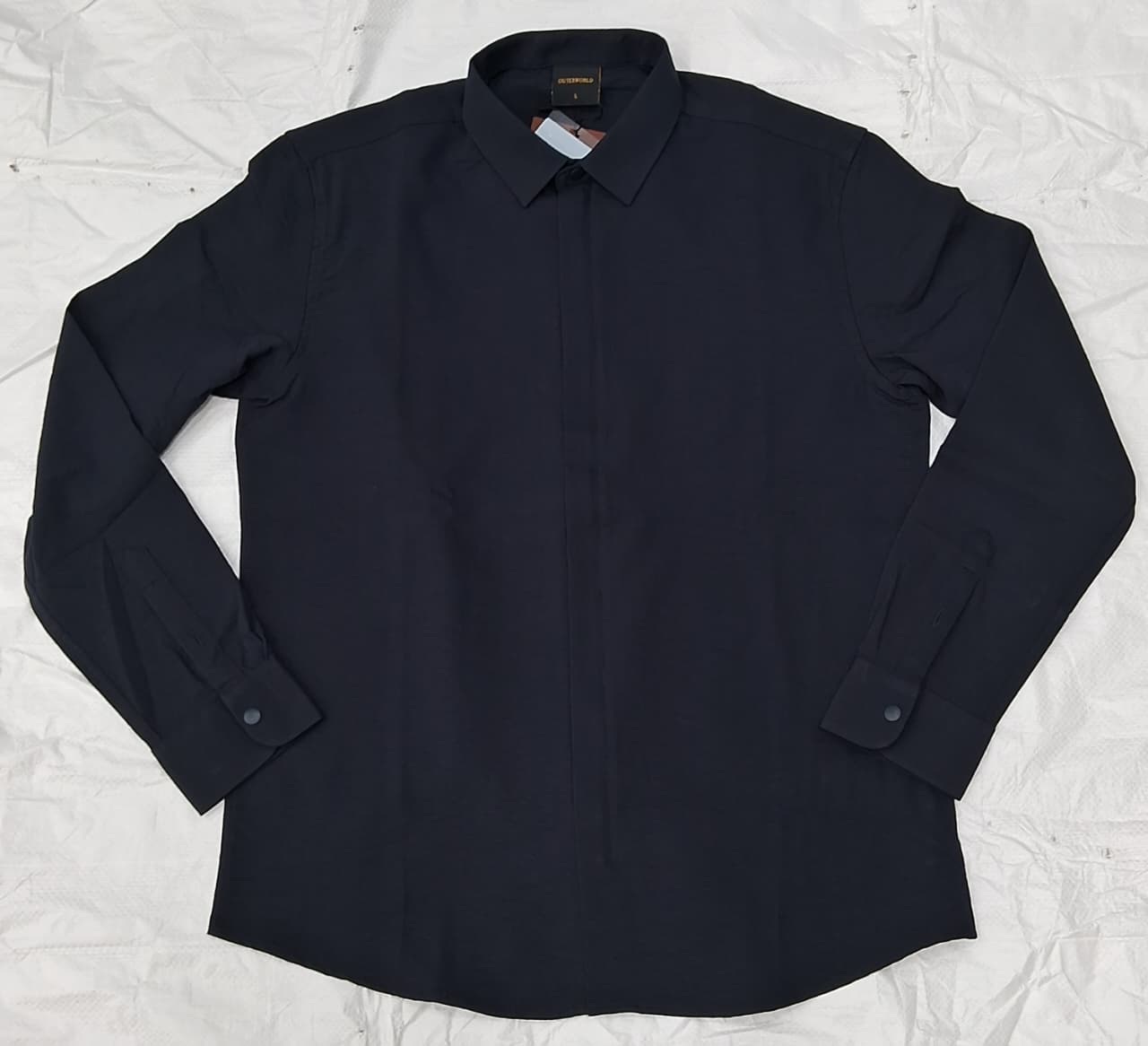
06Authority
Navy executive formal shirt for men with a clean front placket

Executive formal shirts

Dark, refined and quietly powerful. Executive shirts in navy and deep tones suit senior roles, evening functions and occasions where presence matters more than pattern.

StylingGrey or charcoal suits; a tonal tie or an open collar under a dark blazer.

Discover
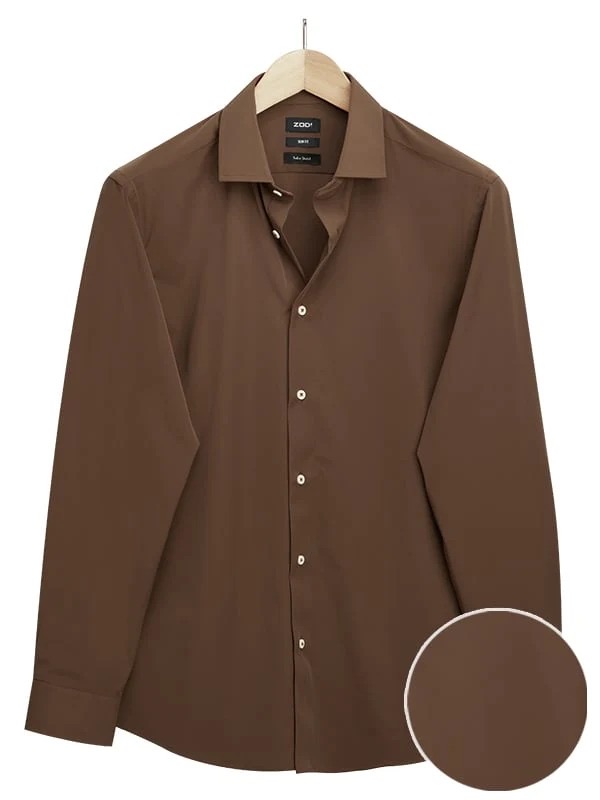
07Silhouette
Brown slim-fit formal shirt for men on a hanger with fabric close-up

Slim-fit formal shirts

A narrower chest and shaped waist for a clean, modern line — best for slimmer or athletic builds.

Discover
08Comfort
Blue regular-fit formal shirt for men laid flat

Regular-fit formal shirts

Straighter through the body with more ease — comfortable for long days and a wide range of builds.

Discover
09Now
Contemporary office shirt with a blue micro print on a hanger

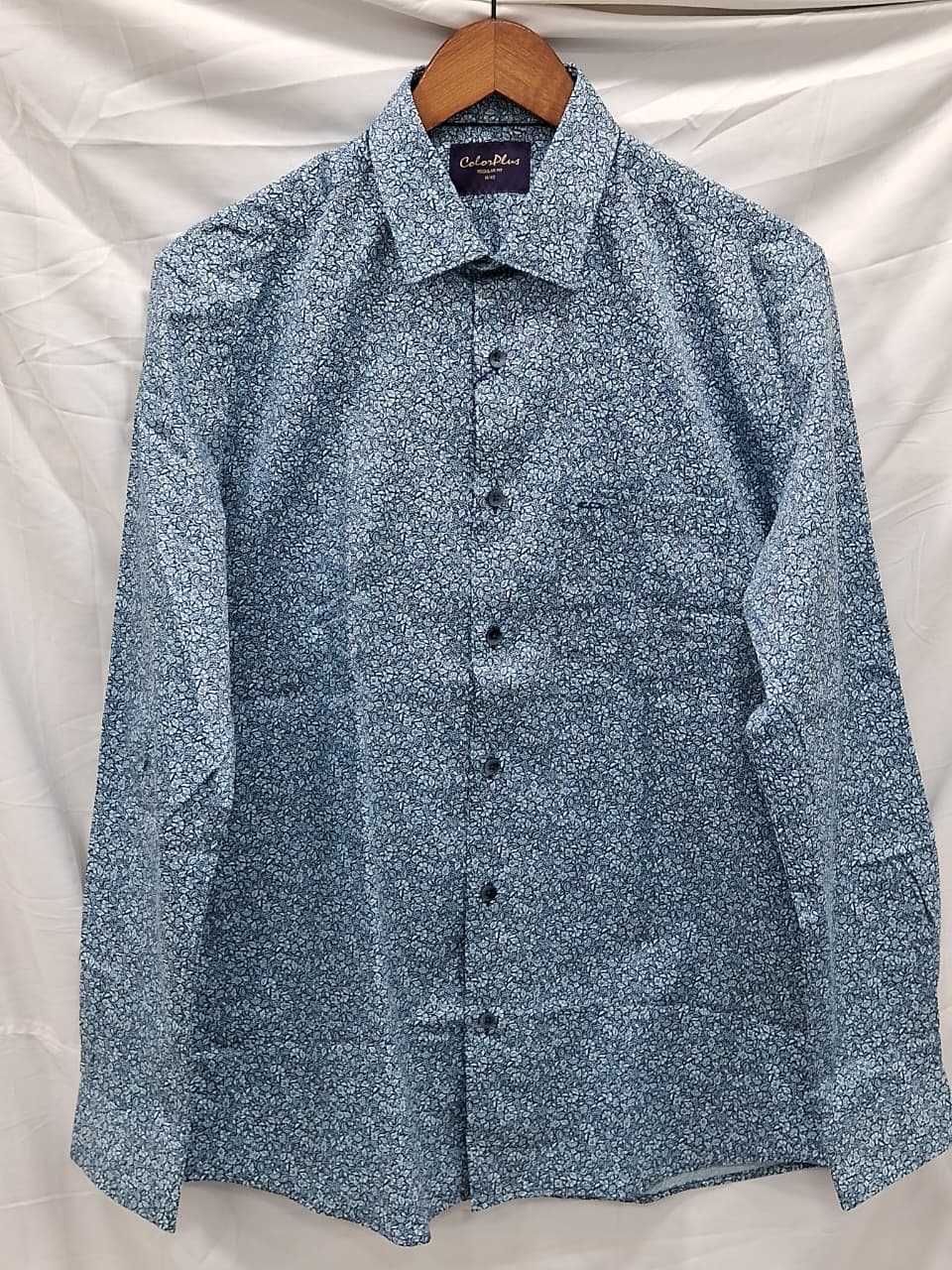
Contemporary office shirts

Micro prints and textured weaves that bring personality to everyday office dressing.

Discover
10Heritage
Classic navy pinstripe business shirt for men

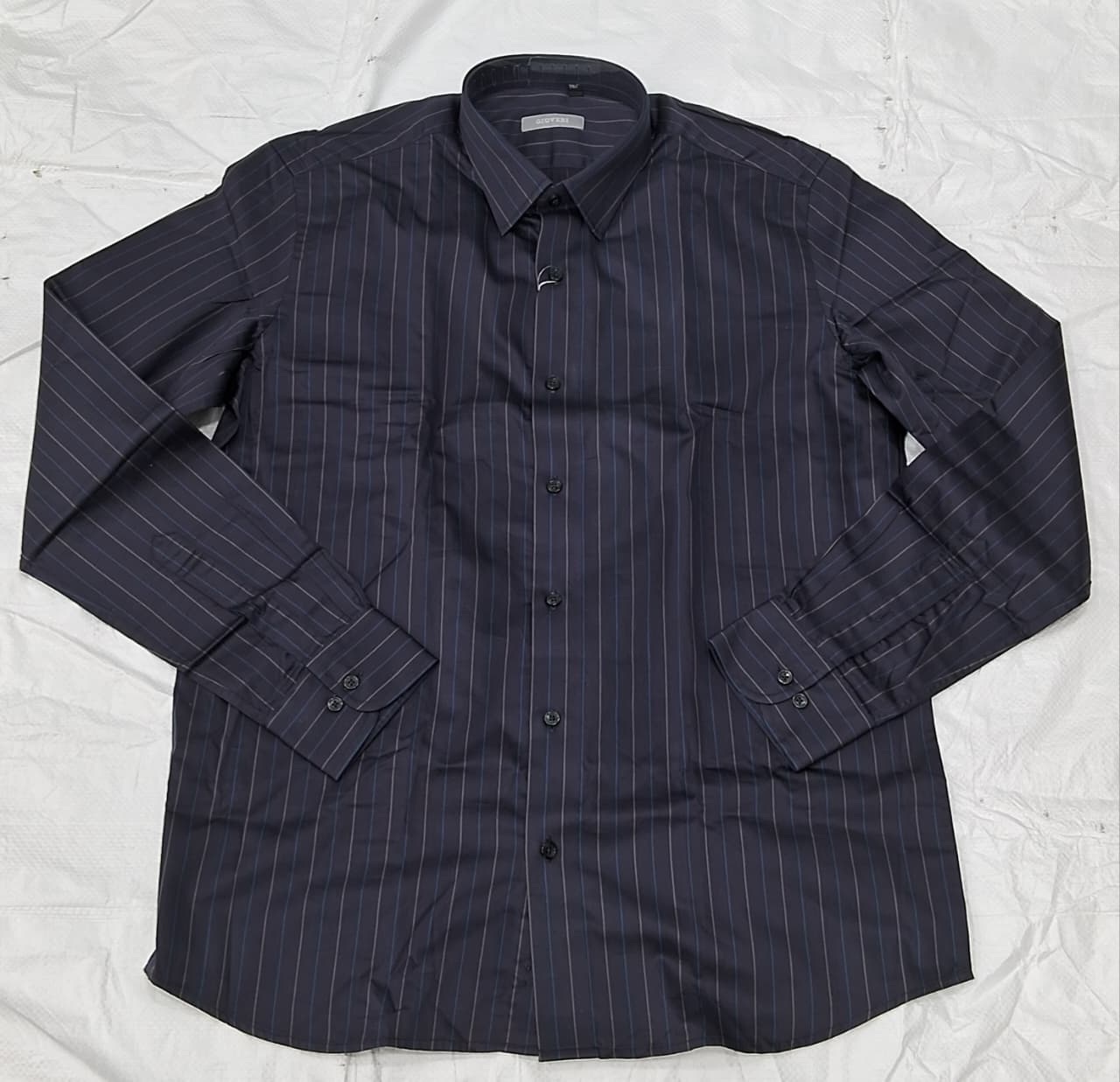
Classic business shirts

Pinstripes and timeless patterns rooted in traditional business dress, built for daily rotation.

Discover
05The anatomy of
a formal shirt

Ten parts.
One line.

A technical reading of a formal shirt — each component, where it sits and what it contributes to the finished garment.

Sheet A-05 / Formal shirt, frontAnnotated components 01 — 10Not to scale
Annotated light blue formal shirt showing collar, collar stand, placket, buttons, cuffs, sleeve, shoulder line, side seam, hemline and stitching
  1. 01

    Collar

    The most visible element of any formal shirt. Its points, spread and height frame the face and decide how a tie knot sits — a semi-spread collar, as shown, balances most face shapes and knot sizes.

  2. 02

    Collar stand

    The band that lifts the collar from the neckline. A well-proportioned stand keeps the collar upright under a jacket and stops it collapsing when worn without a tie.

  3. 03

    Placket

    The strip of fabric that carries the buttonholes down the front. It reinforces the opening and creates the strong vertical line that runs from collar to hem.

  4. 04

    Buttons

    Spacing, size and thickness affect both function and finish. Evenly spaced buttons keep the front flat; the lowest sits low enough to stay tucked in.

  5. 05

    Cuffs

    The cuff closes the sleeve and should show slightly beyond a jacket sleeve. Barrel cuffs with one or two buttons suit daily wear; French cuffs, closed with cufflinks, are more formal.

  6. 06

    Sleeve construction

    The sleeve is set into the armhole and finished with a sleeve placket above the cuff. A higher, neater armhole allows movement without the body of the shirt lifting.

  7. 07

    Shoulder line

    The seam where the sleeve meets the body. It should end at the edge of the natural shoulder — too far in pulls, too far out droops and spoils the line.

  8. 08

    Side seams

    The seams joining front and back determine how the body tapers to the waist. Clean, flat side seams are a reliable sign of careful construction.

  9. 09

    Hemline

    Most formal shirts have a curved hem with longer front and back tails, designed to stay tucked into trousers as you sit, stand and move through the day.

  10. 10

    Stitching & finishing

    Stitch density, straight topstitching and neat pocket edges are where quality reveals itself. Fine, even stitching gives a smooth seam that lies flat after washing.

06Fit is everything

Fit iseverything.

Three silhouettes, three intentions. Understanding the general principles of each fit helps you choose the shirt that suits your build and your working day.

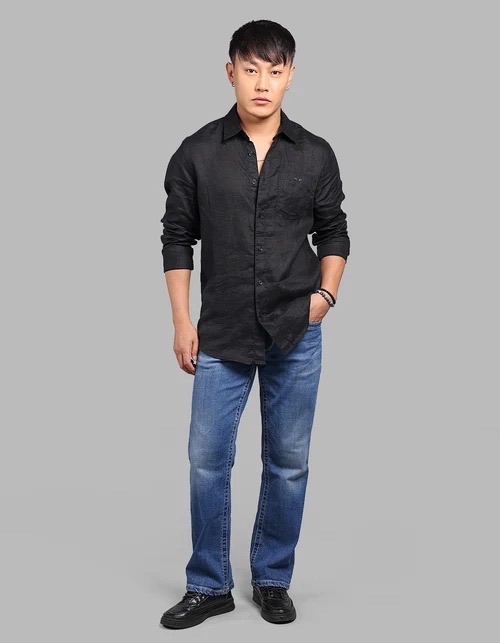
Slim fit

F.01
Model in a dark shirt illustrating a close, slim silhouette
Silhouette referenceF.01
CloseEaseRelaxed
Silhouette
Close to the body with minimal excess fabric.
Shoulder
Seam sits precisely at the shoulder edge.
Chest
Trim — comfortable for slimmer builds.
Sleeve
Narrower sleeve and armhole for a clean arm line.
Waist
Noticeably shaped, often with back darts.
Applications
Modern offices, presentations, evening events.

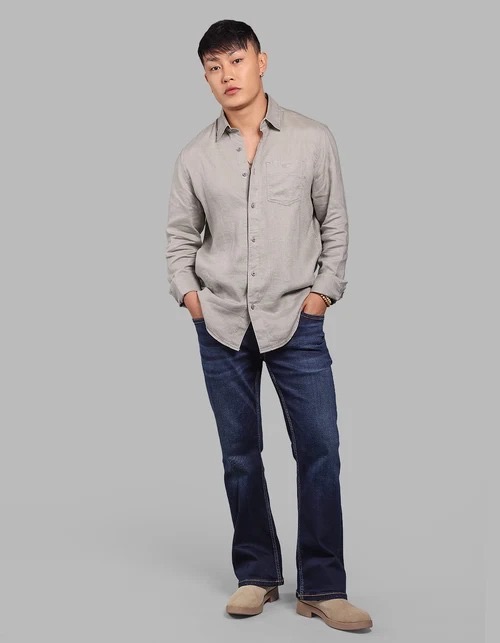
Regular fit

F.02
Model in a stone-coloured shirt illustrating a relaxed, regular silhouette
Silhouette referenceF.02
CloseEaseRelaxed
Silhouette
Straight from chest to hem with comfortable ease.
Shoulder
Natural shoulder with relaxed movement.
Chest
Generous — allows freedom across the back.
Sleeve
Fuller sleeve, easy to roll or layer.
Waist
Little or no shaping.
Applications
Long workdays, travel, broader builds.

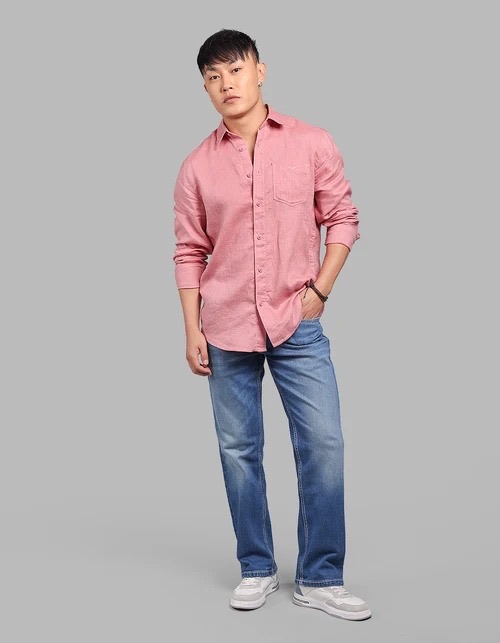
Tailored fit

F.03
Model in a pale pink shirt illustrating a balanced, tailored silhouette
Silhouette referenceF.03
CloseEaseRelaxed
Silhouette
Between slim and regular — clean but unrestricted.
Shoulder
Defined shoulder line with room to move.
Chest
Balanced ease without billowing.
Sleeve
Moderately tapered towards the cuff.
Waist
Gentle taper for a neat tuck.
Applications
Daily business dress, meetings, client work.

Photographs illustrate silhouettes in general terms only. Fit varies from brand to brand and garment to garment — the most reliable guide is to try a shirt on. Read more in our Fit & Fabric guide.

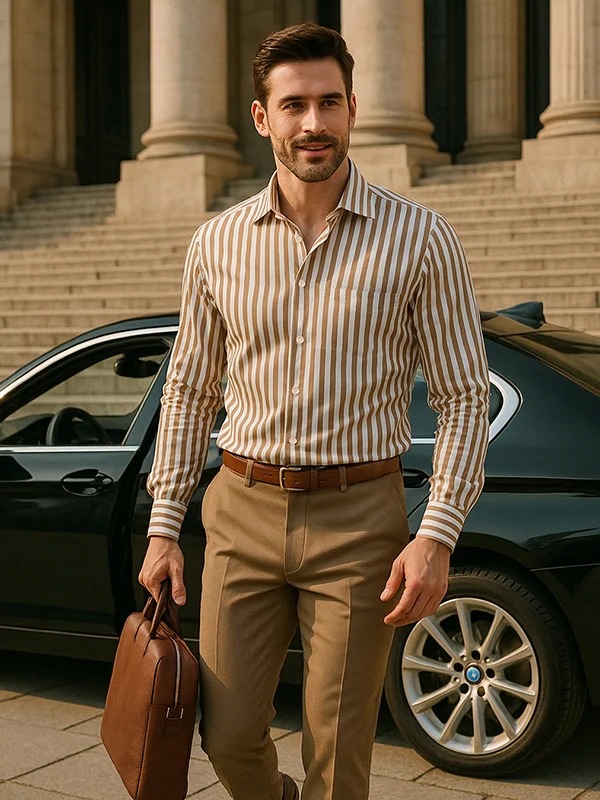
Professional in a striped formal shirt and tan trousers carrying a leather briefcase — executive wardrobe for men
PL. 07 — The executive wardrobeStriped shirt / tan trouser
07The executive wardrobe

Dress withintent.

What you wear to work is part of how you work. A considered shirt is a quiet declaration of preparation, respect and confidence.

Clothing as professional identity

Long before a presentation begins, an audience has formed an impression. Clothing is not the substance of professional life, but it frames it — signalling how seriously you take the room, the client and the moment. The formal shirt sits at the centre of that impression because it is closest to the face and present in almost every business outfit.

Dressing with intent does not mean dressing expensively or conservatively. It means choosing deliberately: a white shirt when clarity matters, a blue shirt for approachability, a fine stripe for a touch of character. It means a collar that holds its shape, cuffs that sit at the wrist and a body that stays tucked.

The modern executive wardrobe is built on a small number of excellent pieces that combine easily. Explore how to assemble one in Business Dressing and in our Style Journal.

  1. 07:30Travel

    Professional travel

    Wrinkle-resistant weaves and a regular or tailored fit for comfort on long commutes and flights.

  2. 09:30Office

    Everyday office styling

    Light blue, fine checks and micro patterns — easy to rotate through the working week.

  3. 11:00Meeting

    Business meetings

    White or pale blue with a structured collar; tie optional, polish essential.

  4. 15:00Client

    Client presentations

    Crisp solids under a dark blazer keep attention on you and your ideas.

  5. DailyCorporate

    Corporate office dressing

    A rotation of five to seven shirts in white, blue and subtle patterns covers most dress codes.

  6. 19:30Evening

    Formal events

    Deep solids or white with French cuffs and a dark suit for dinners and functions.

C.01
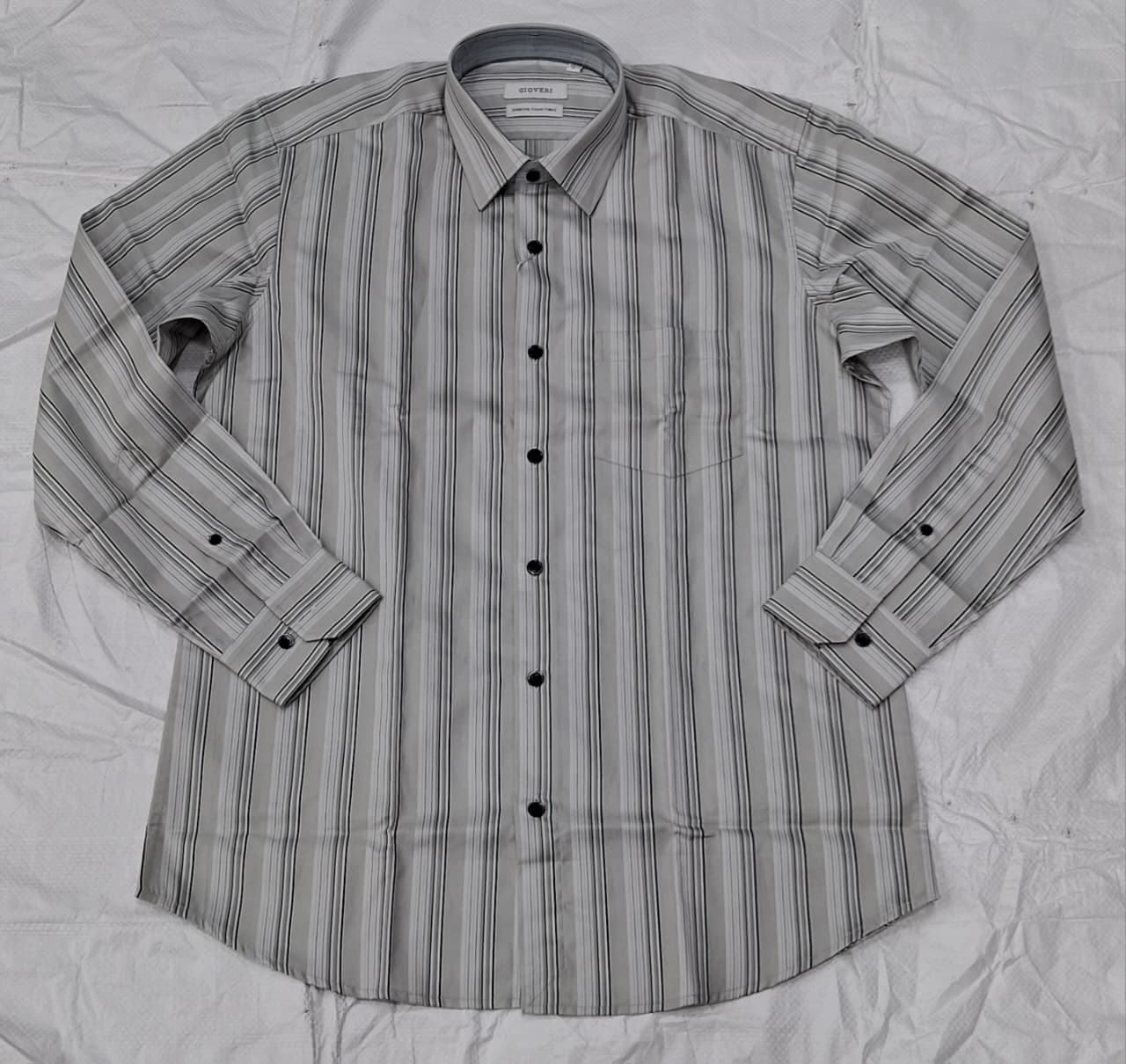
White shirt with a fine grey stripe

White×Charcoal

The most authoritative pairing in business dress. Charcoal trousers sharpen a white shirt without the starkness of black — ideal for interviews, board meetings and formal presentations.

C.02
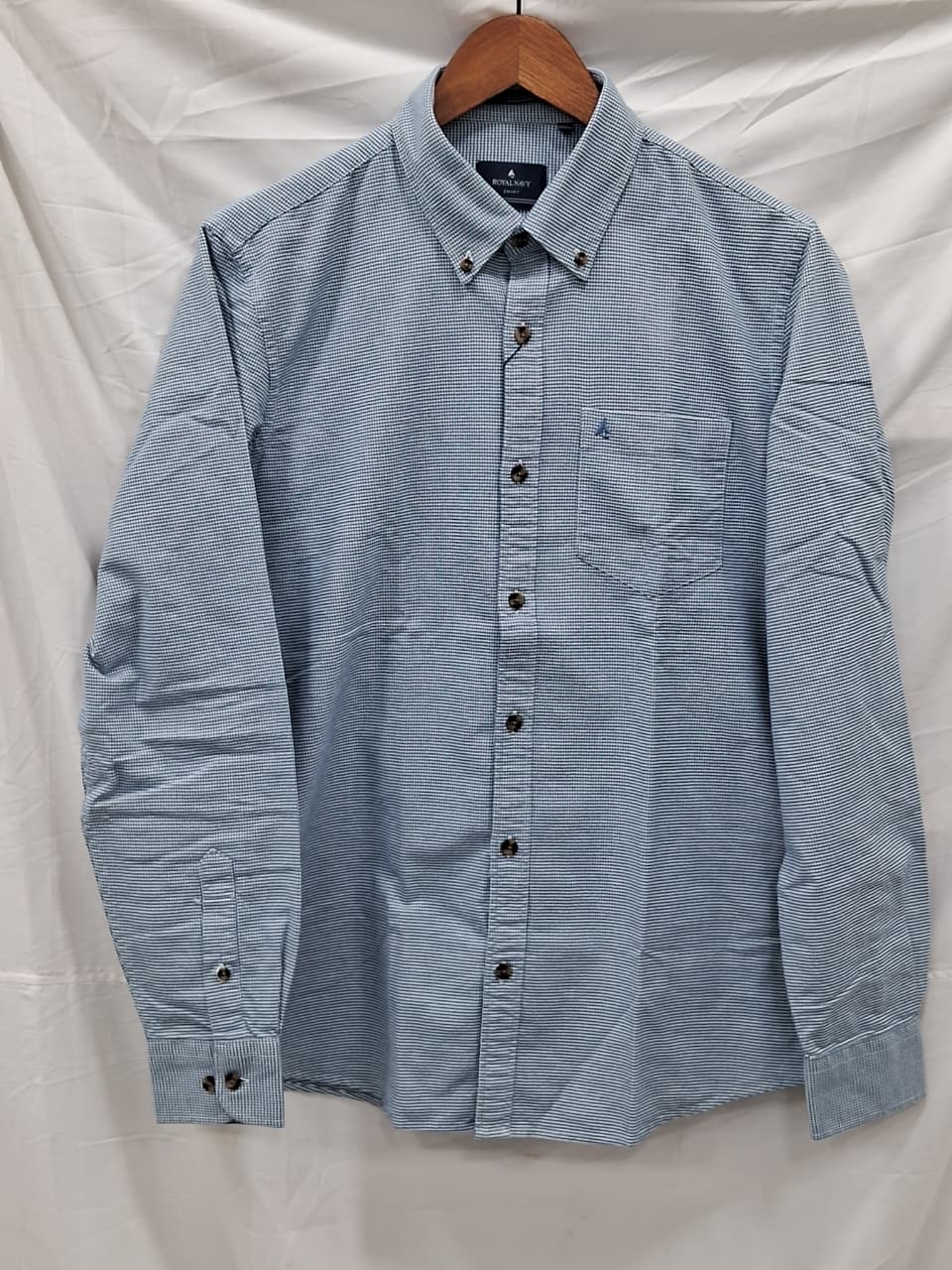
Light blue button-down shirt on a hanger

Light blue×Navy

A tonal, approachable combination. The light blue lifts the navy and creates an easy harmony that suits client meetings and everyday office wear.

C.03
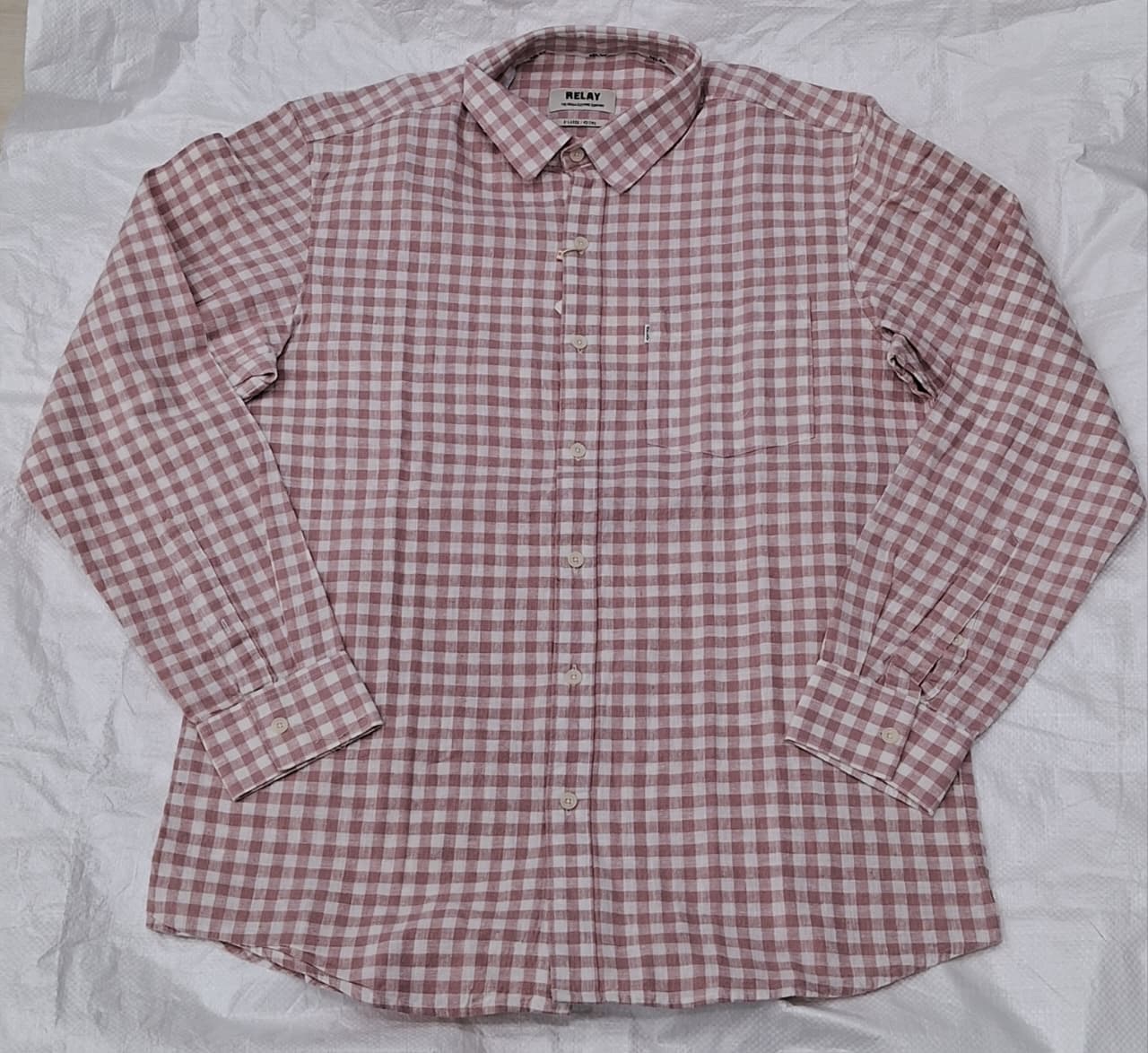
Pale pink gingham shirt laid flat

Pale pink×Grey

Soft pink with mid-grey is warm without being loud. It is a confident alternative to blue in creative and modern corporate environments.

C.04
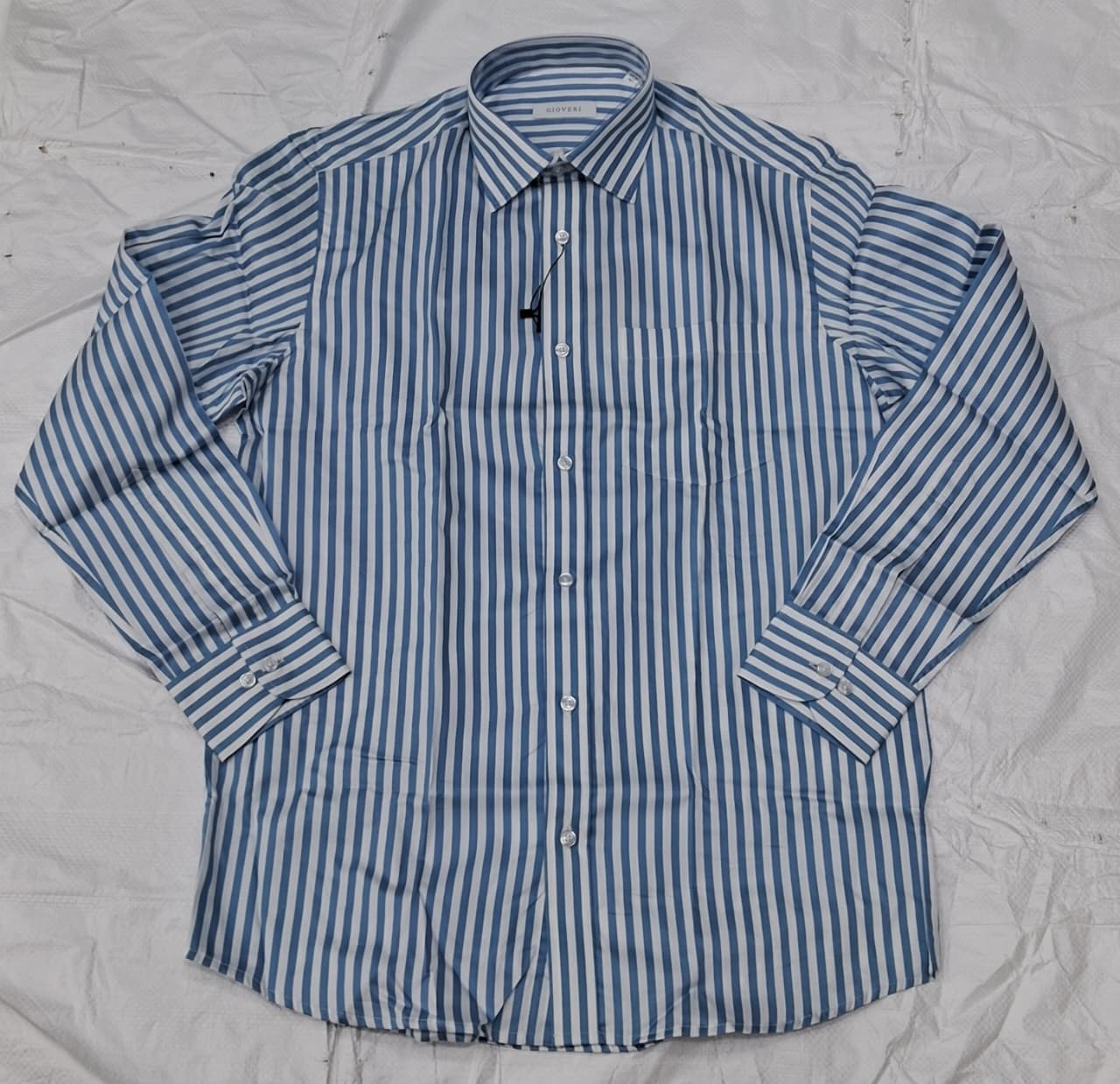
Blue striped formal shirt laid flat

Stripes×Neutral trousers

Let the stripe lead. Neutral trousers — grey, navy, stone — keep the composition balanced; choose a trouser colour that echoes the darkest stripe.

C.05
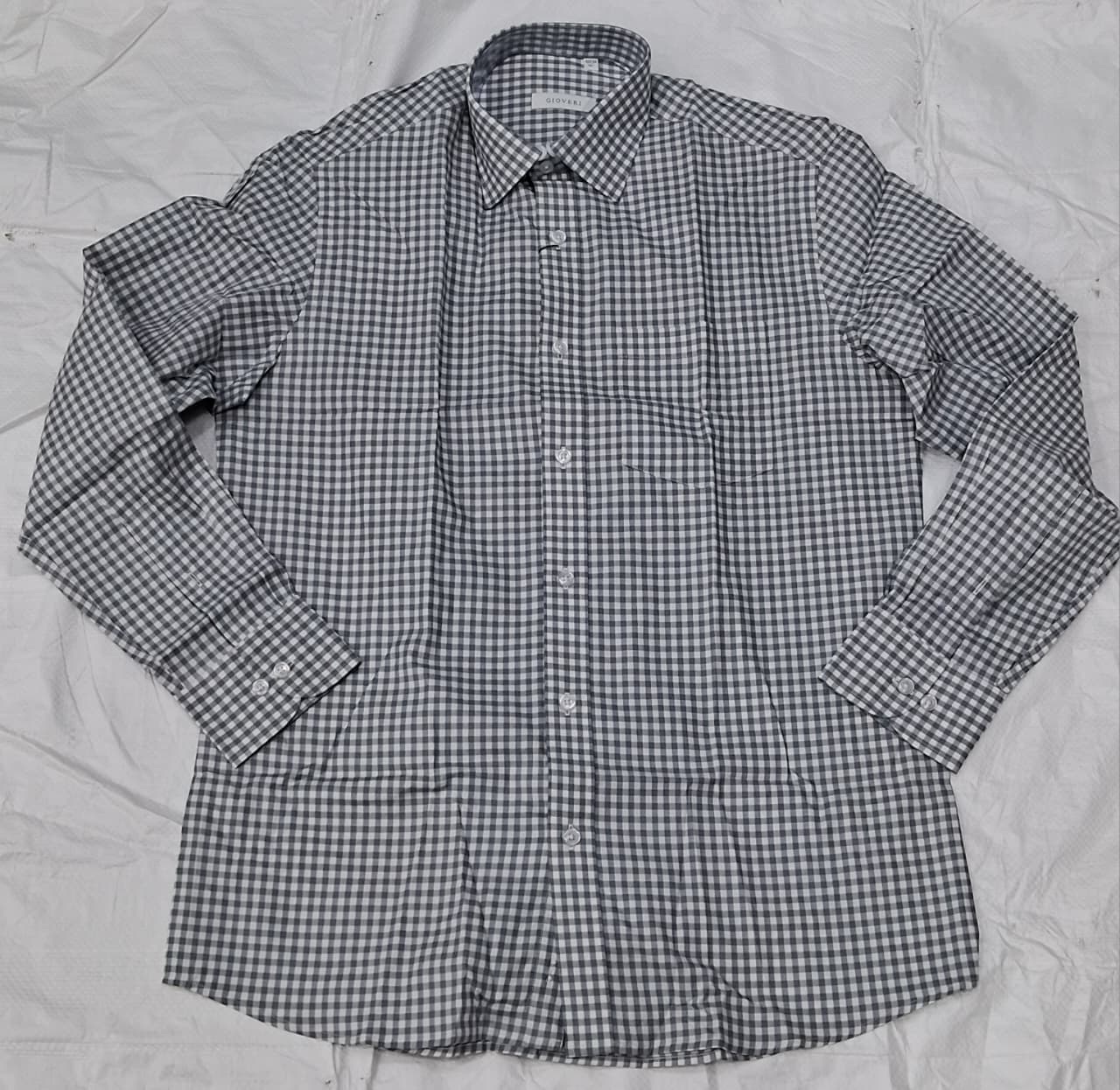
Grey gingham check shirt laid flat

Checks×Solid trousers

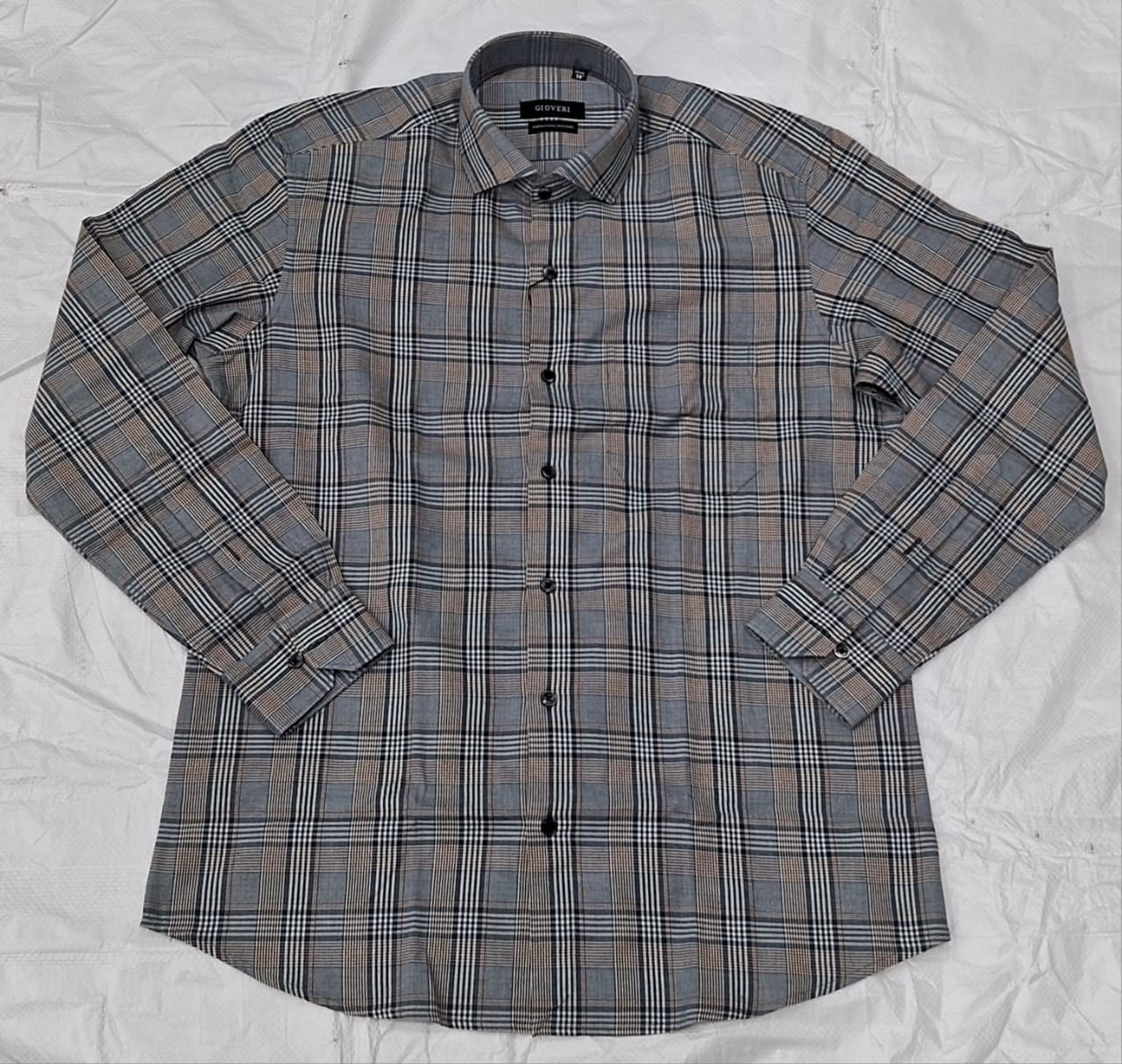
Checked shirts call for solid trousers. Picking up one colour from the check — navy, grey or brown — makes the outfit feel intentional.

C.06
Pale blue-white shirt on a hanger

White×Navy

Crisp, clean and endlessly reliable. White over navy is the uniform of the polished professional and travels from office to evening without effort.

C.07
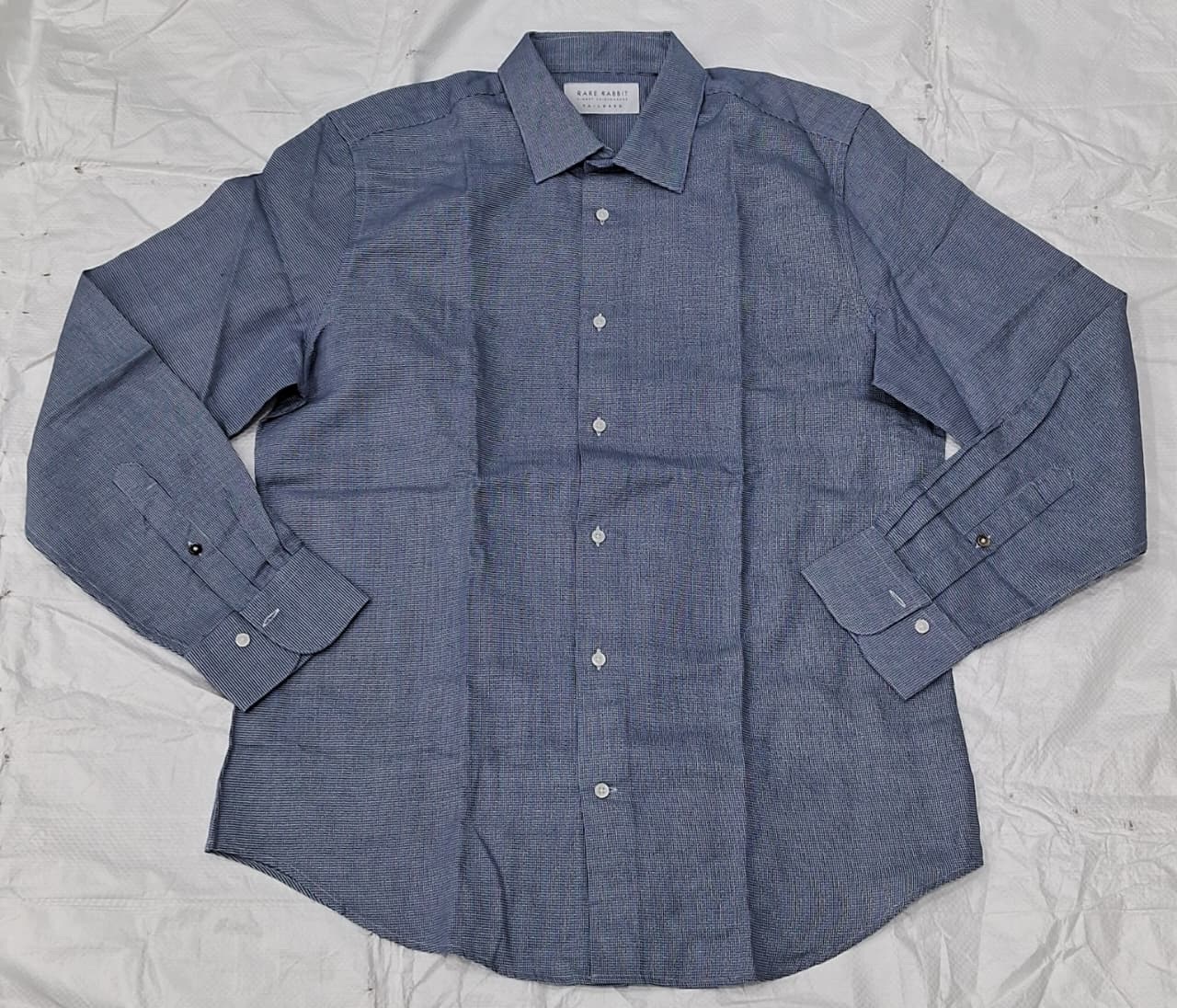
Chambray blue shirt laid flat

Blue×Charcoal

A strong, modern pairing with depth. Mid-blue against charcoal works brilliantly with a black or burgundy belt and dark shoes.

Read the colour guide

09Fabric &
construction

Material
matters.

Weave decides how a shirt looks, feels and behaves through the day. These are the fabrics most often used in formal shirting and what each is best suited to — general characteristics, not claims about any particular garment.

Cotton Fibre

The foundation of formal shirting: soft, breathable and comfortable against the skin. Long-staple cottons give a smoother, more durable cloth.

Poplin Plain

A tight plain weave with a smooth, crisp, lightweight surface. The classic business shirt fabric — sharp under a suit and cool in warm weather.

Oxford Basket

A basket weave with visible texture and a heavier hand. Durable and relaxed — at home with button-down collars and smart-casual offices.

Twill Diagonal

Recognisable by its fine diagonal rib. Soft, drapes well and resists creasing better than many plain weaves — excellent for travel.

Pinpoint Fine basket

A finer version of oxford: smoother and dressier while keeping some texture. A versatile bridge between poplin and oxford.

Grey formal shirt with a textured micro-pattern weave
TextureMicro pattern
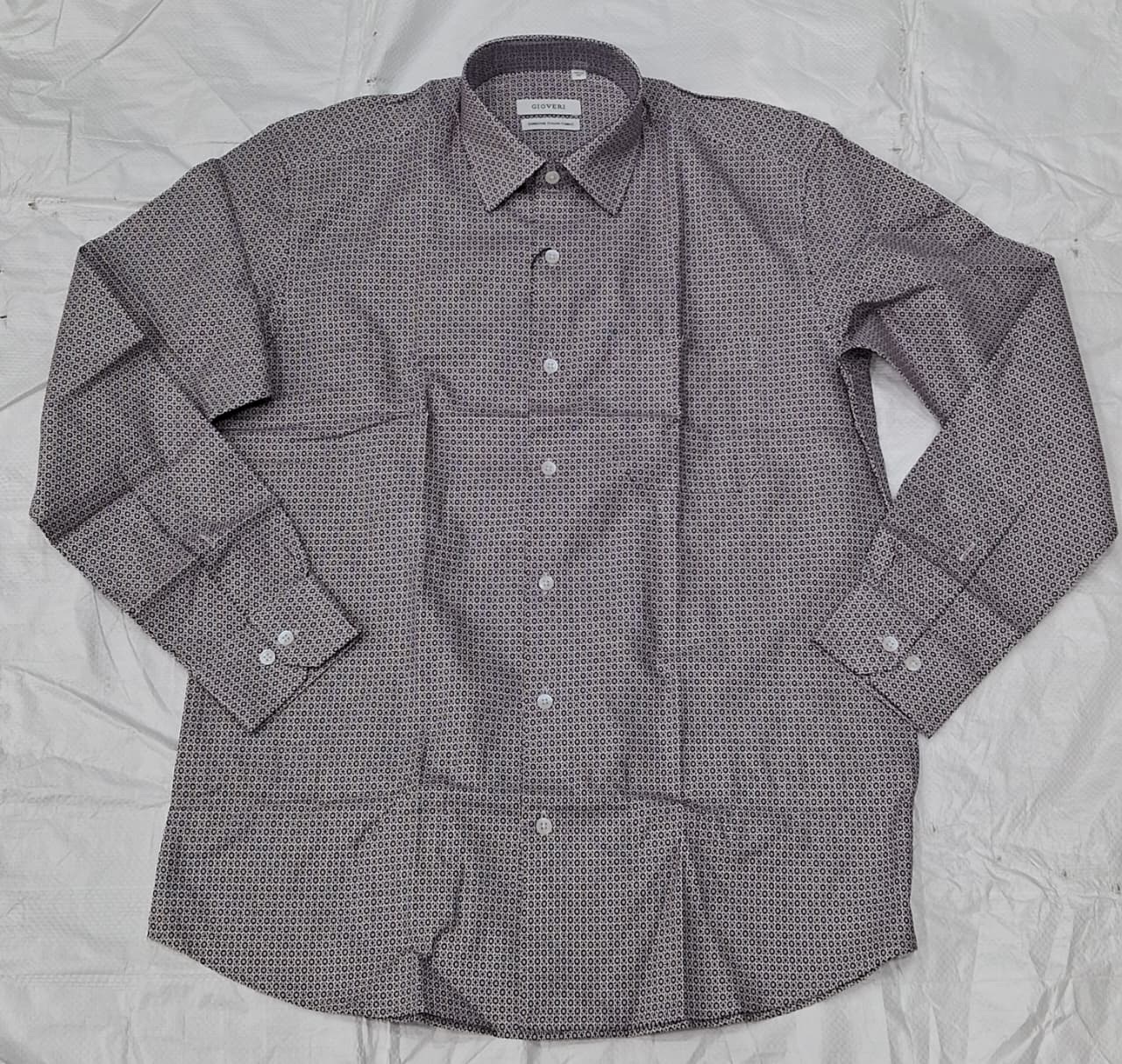
Plum formal shirt with a small dobby weave texture
Dobby weave
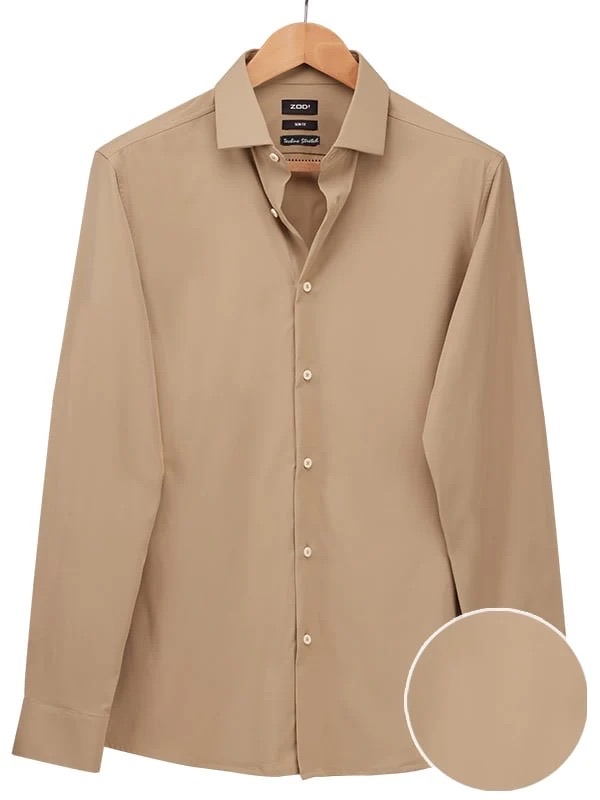
Beige formal shirt on a hanger with a magnified fabric swatch
Surface

Six properties to understand

Texture
Smooth weaves such as poplin read formal; textured weaves like oxford and dobby read relaxed and modern.
Breathability
Open, lighter weaves let air circulate — important in Mumbai's warm, humid climate.
Fabric weight
Lighter cloth feels cooler and crisper; heavier cloth is more opaque and holds its shape.
Drape
How the fabric falls. Twills and finer cottons drape softly; stiffer weaves give a sharper silhouette.
Stitching
Higher stitch density and straight, even seams produce a flatter, more durable finish.
Finishing
Treatments such as mercerising or easy-care finishes affect lustre, softness and how easily a shirt irons.

Enter the Fit & Fabric lab

11Options Mall

About Options Mall

Formal menswear is not about following rules. It is about knowing them well enough to wear them with ease.

Options Mall is a menswear destination in Mumbai, located at Vile Parle Shopping Centre in Juhu, Vile Parle West. This website is our guide to men's formal shirts — the categories, construction, fits, fabrics and colour combinations that make up a modern professional wardrobe.

Whether you are dressing for a first job, a promotion, a client pitch or a formal evening, a good shirt is where the outfit begins. For professionals in Thane and across Mumbai, we invite you to explore the guidance here and get in touch or visit us in Juhu.

About Options Mall

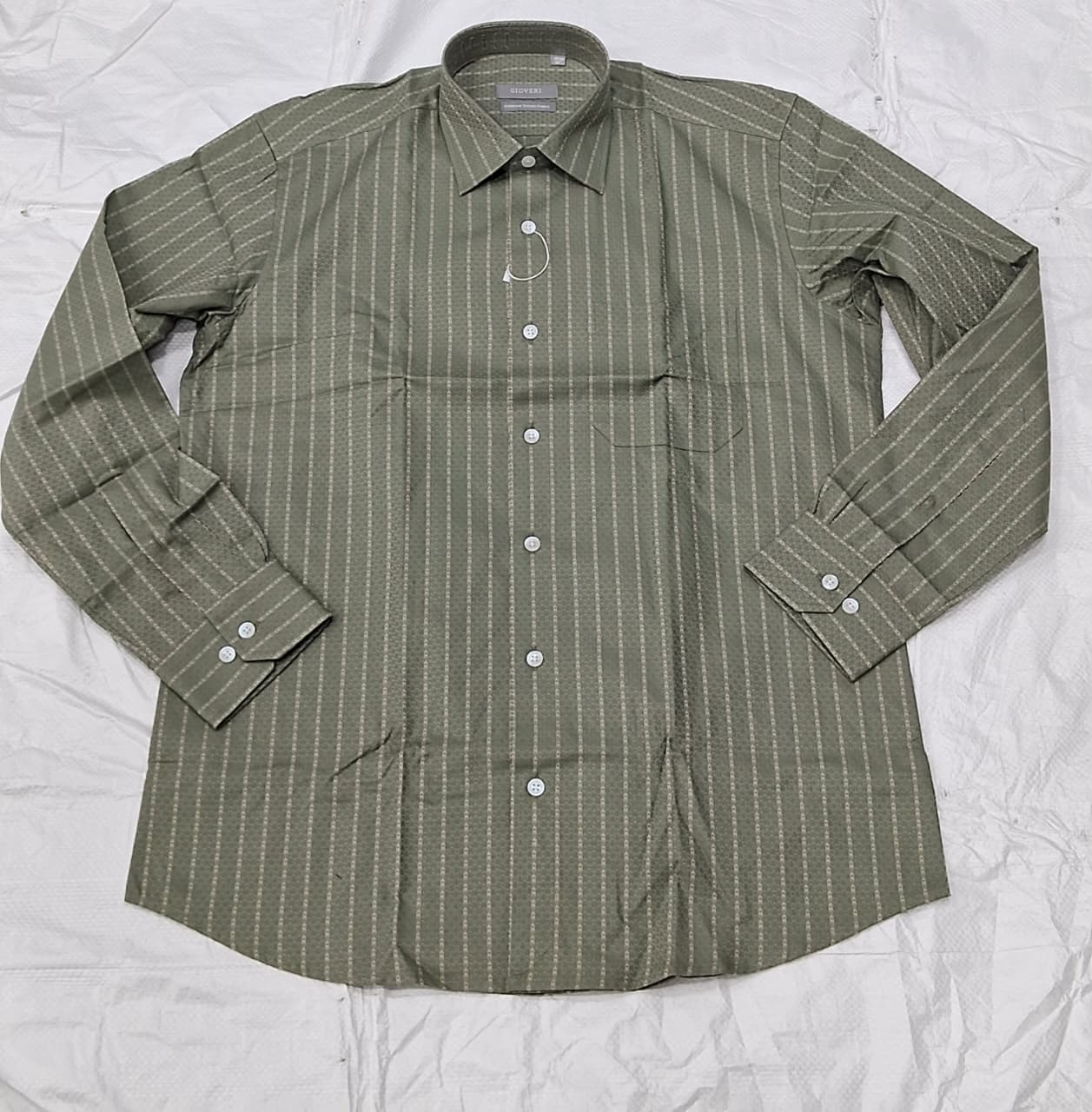
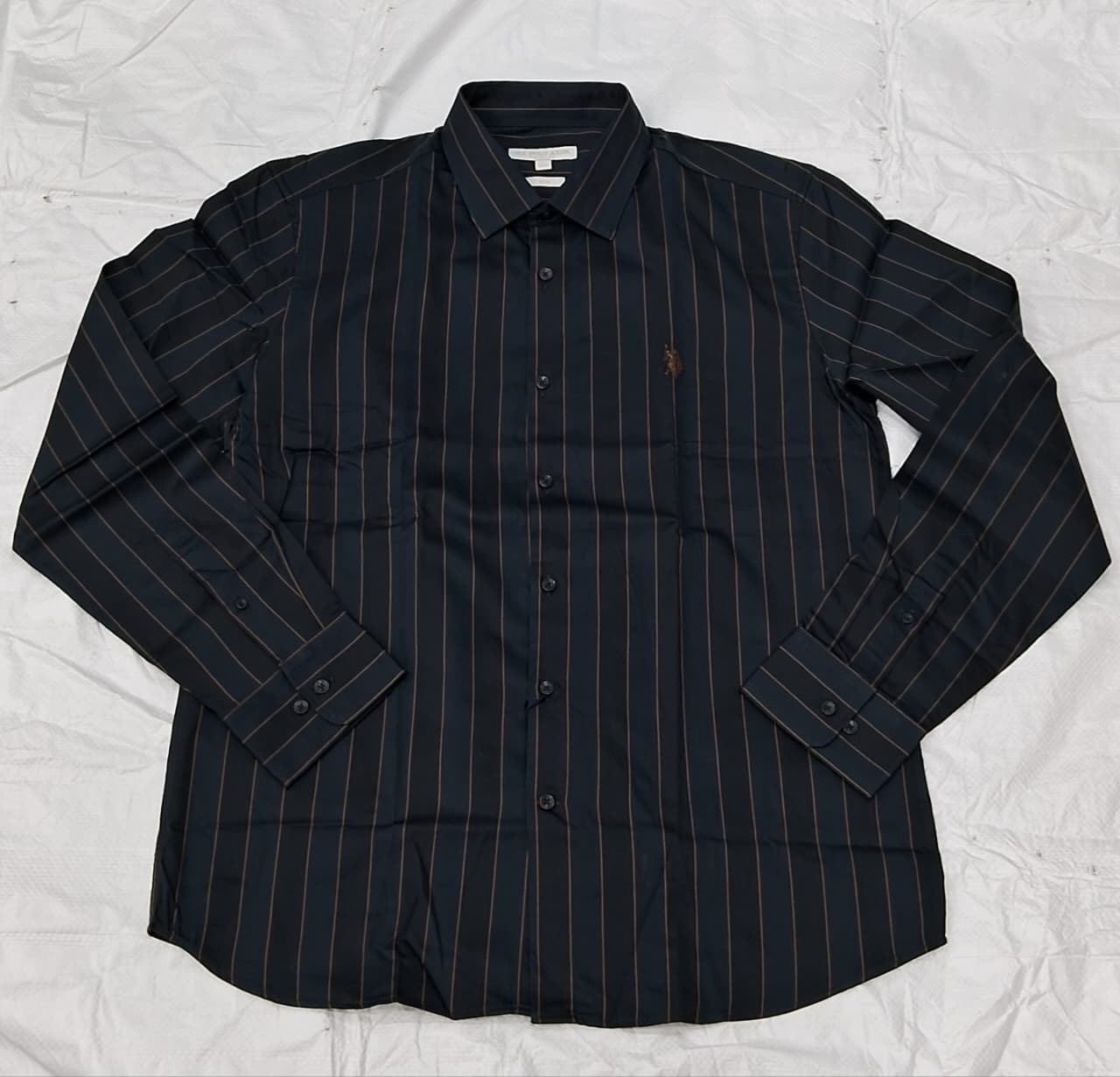
Dark green pinstripe formal shirt for men
PL. 11 — PinstripeOptions Mall

Store — Mumbai

Vile Parle Shopping Centre, Above Sahakari Bhandar, V.M. Road, Juhu, Vile Parle West, Mumbai — 400049
Get directions

Make everydetail count.

Discover the world of modern men's formal fashion with Options Mall.

Discover More
Options MallJuhu, Vile Parle West, Mumbai 400049Men's formal shirts — Thane / Mumbai