TheCollections
Men's formal shirts organised as a catalogue of nine categories — each with its character, styling guidance and professional use.
Begin with white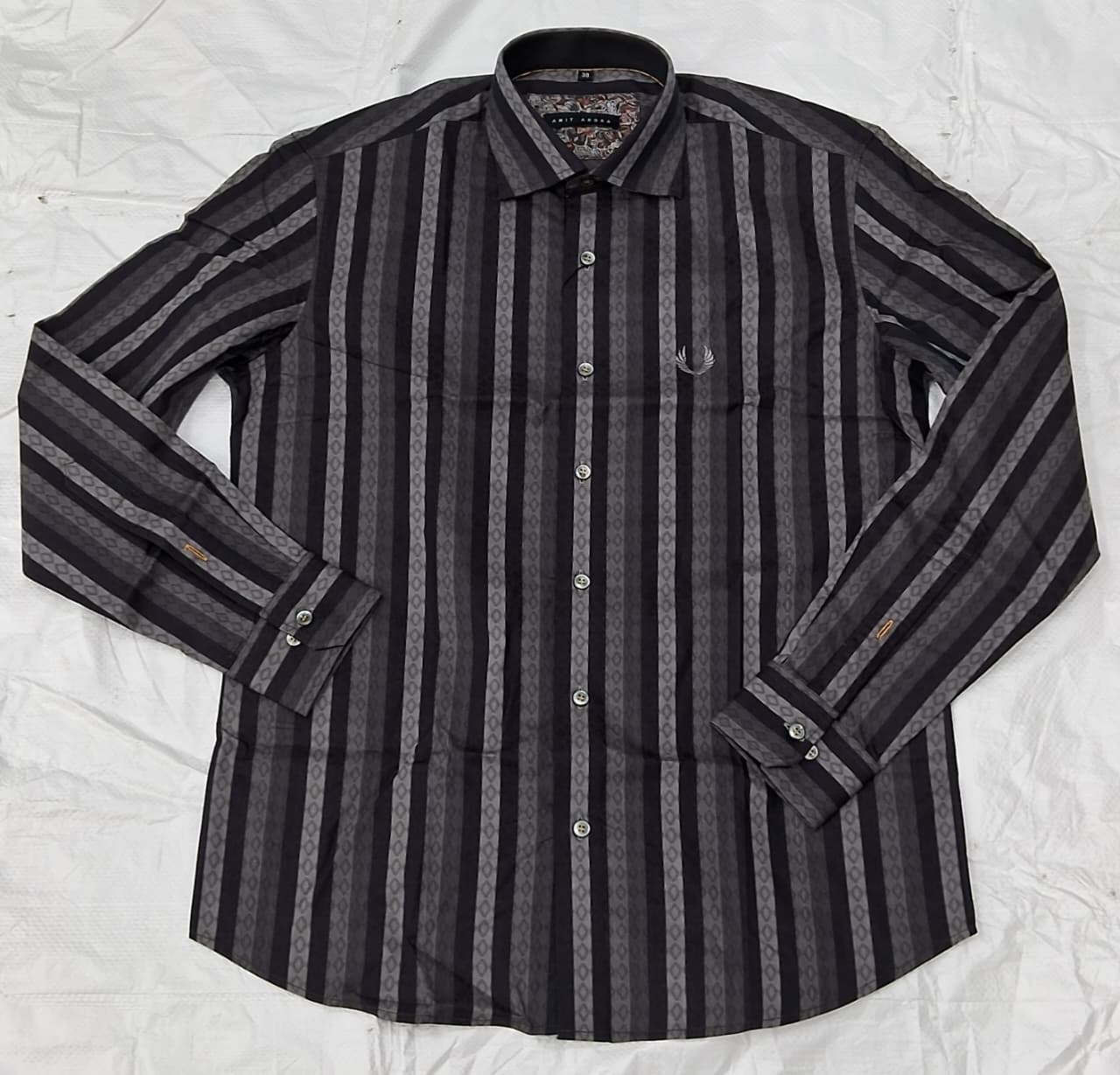
Categories of men's formal shirts — white to regular fit
A catalogue for the working wardrobe.
Choosing men's formal shirts is easier when you think in categories rather than individual pieces. Colour family, pattern and fit together determine how formal a shirt reads, what it pairs with and where it belongs in your week. The photographs on this page are reference images of shirt styles, presented to show the character of each category.
For professionals in Thane, Mumbai and across Maharashtra, the guidance below is designed to help you build a wardrobe that works for real office life — from the essential white and blue formal shirts to stripes, checks and executive solids. To understand cut and cloth in more depth, see Fit & Fabric; for detail on collars and cuffs, see Shirt Design.
White formal shirts
The foundation
Description
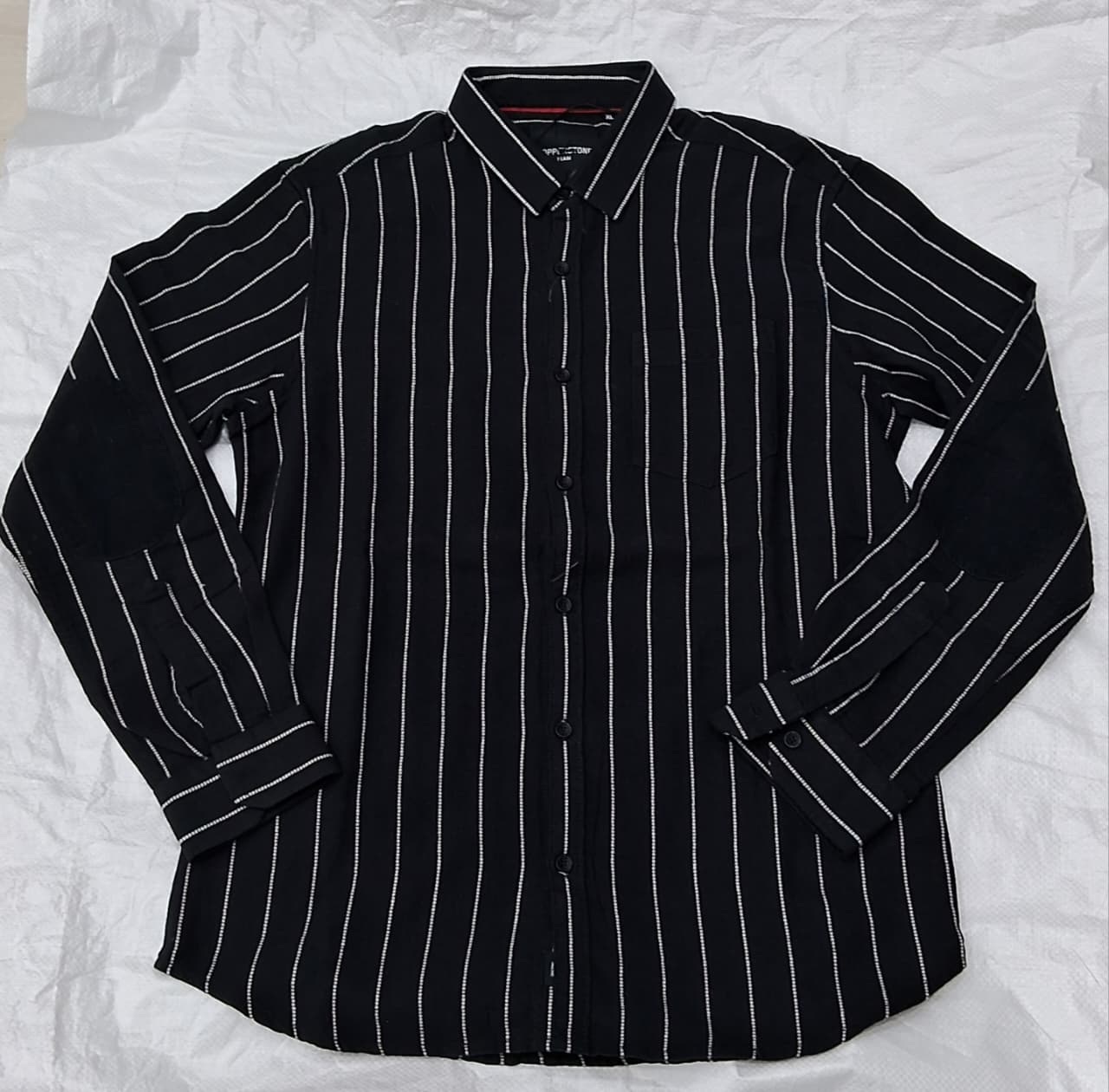
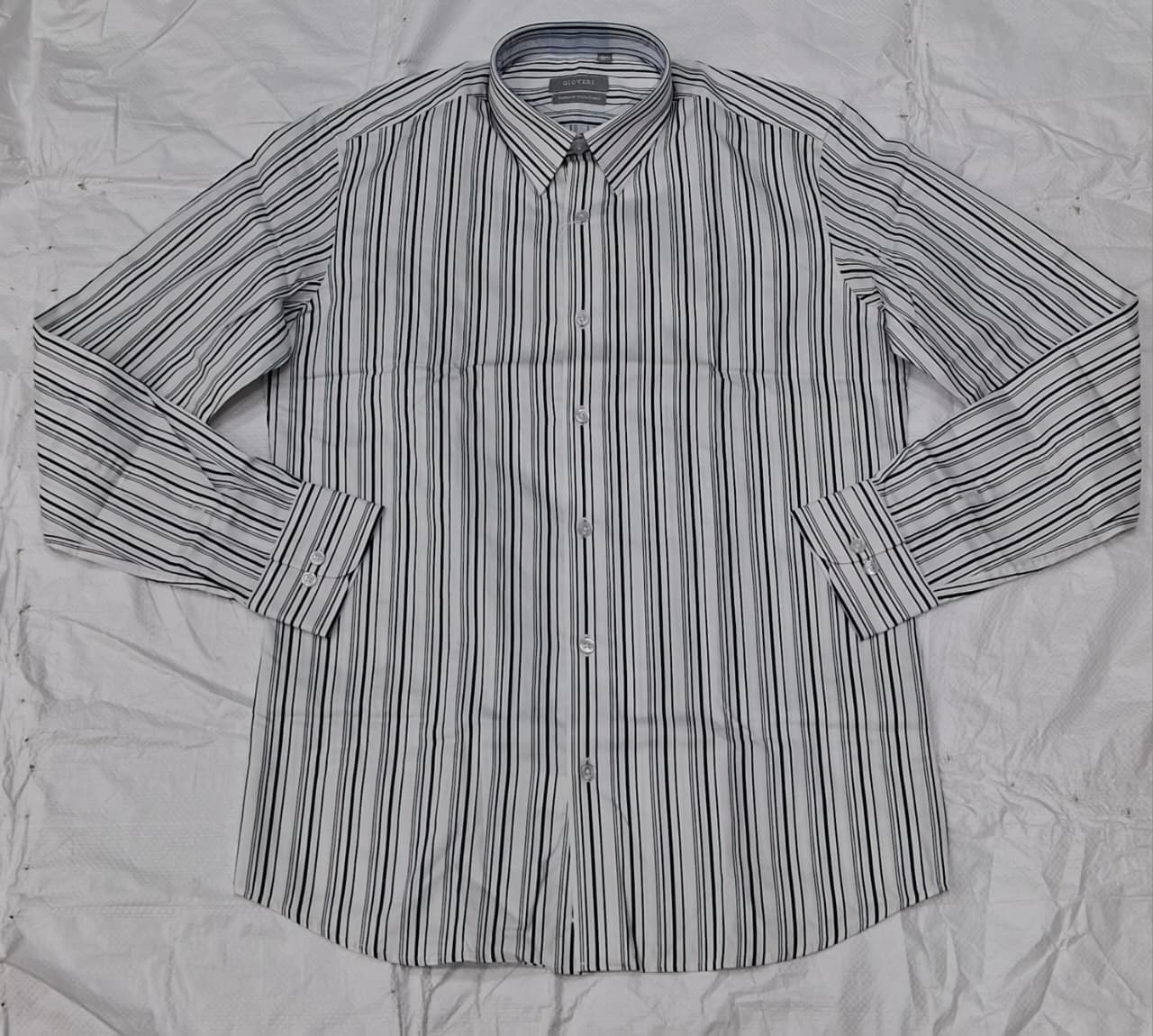
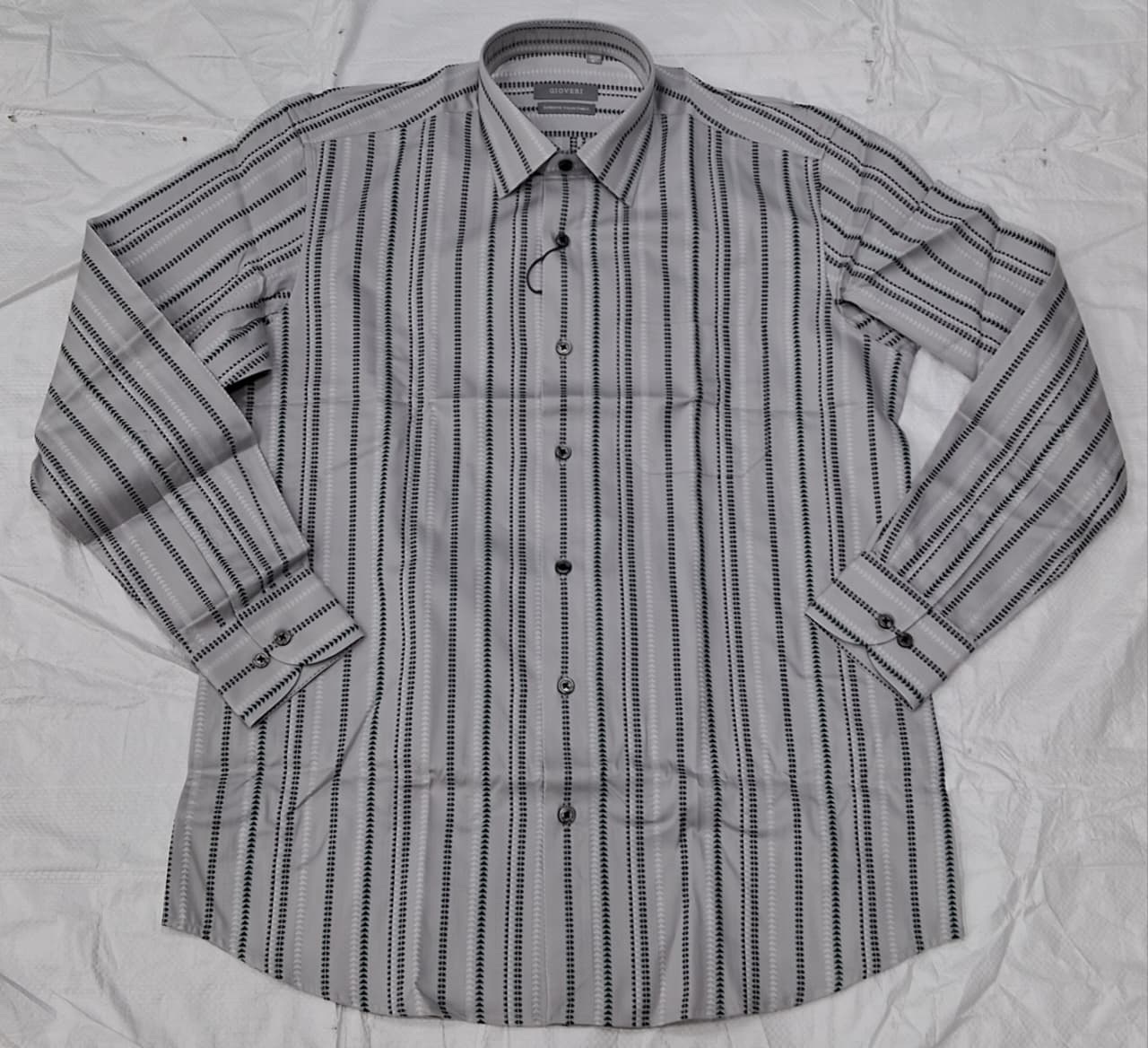
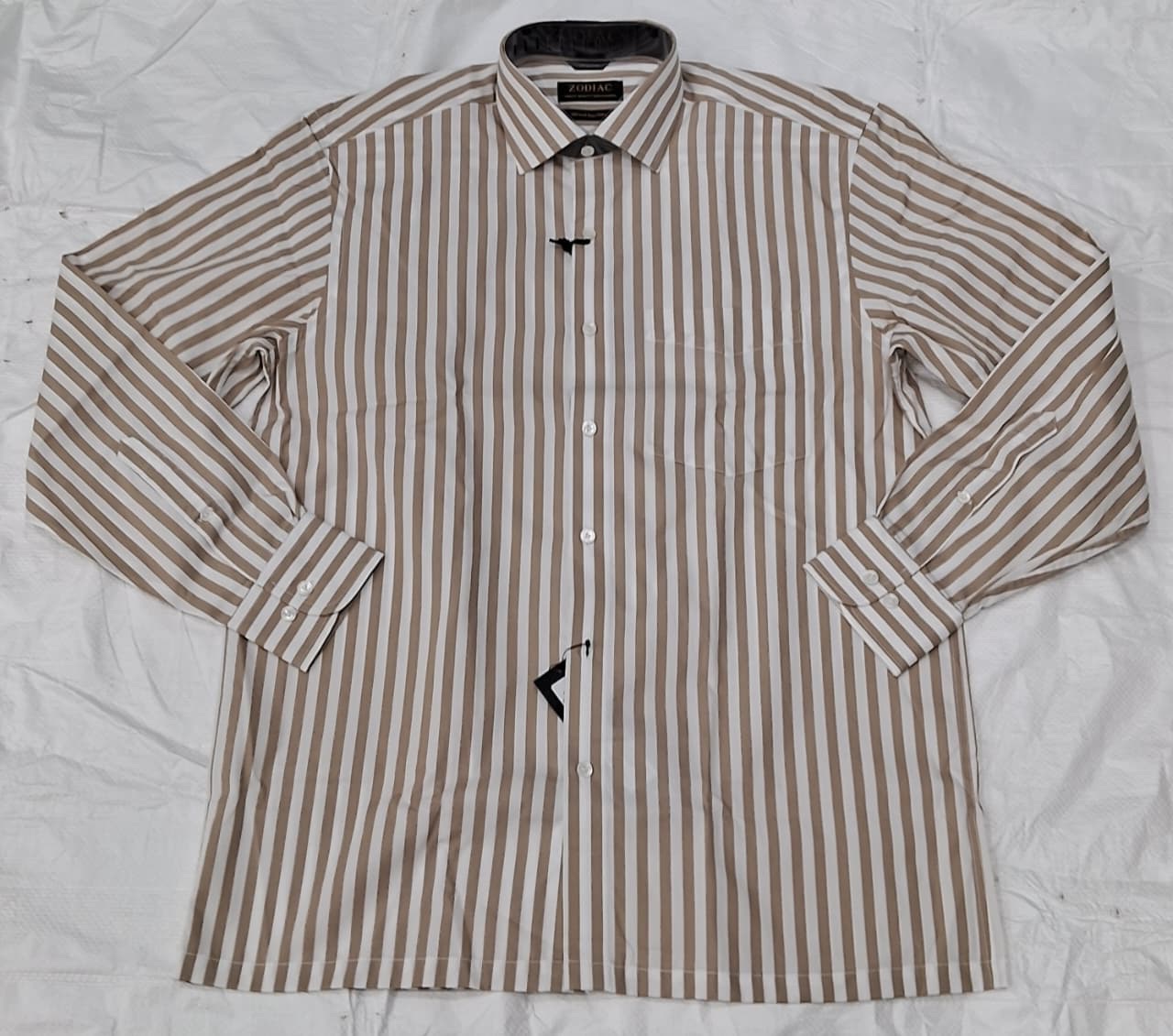
White formal shirts for men are the most versatile garment in business dress. A white shirt brightens the face, provides maximum contrast against dark suiting and remains appropriate everywhere from interviews to weddings. The family is wider than it first appears: pure white plain weaves, white with tonal textures, and white grounds carrying fine grey, charcoal or taupe stripes, as in the shirts shown here. Each keeps the clarity of white while adding a measure of depth.
Styling guidance
For the most formal look, pair a crisp white shirt with charcoal or navy trousers, black shoes and a dark solid tie. For modern offices, wear it open-collared under a navy blazer. White grounds with fine stripes pair easily with grey trousers — echo the stripe colour in your belt or shoes.
Professional applications
Interviews, board meetings, formal presentations, ceremonies and evening events. Every professional wardrobe benefits from at least two white shirts in rotation.
Blue formal shirts
The versatile choice
Description
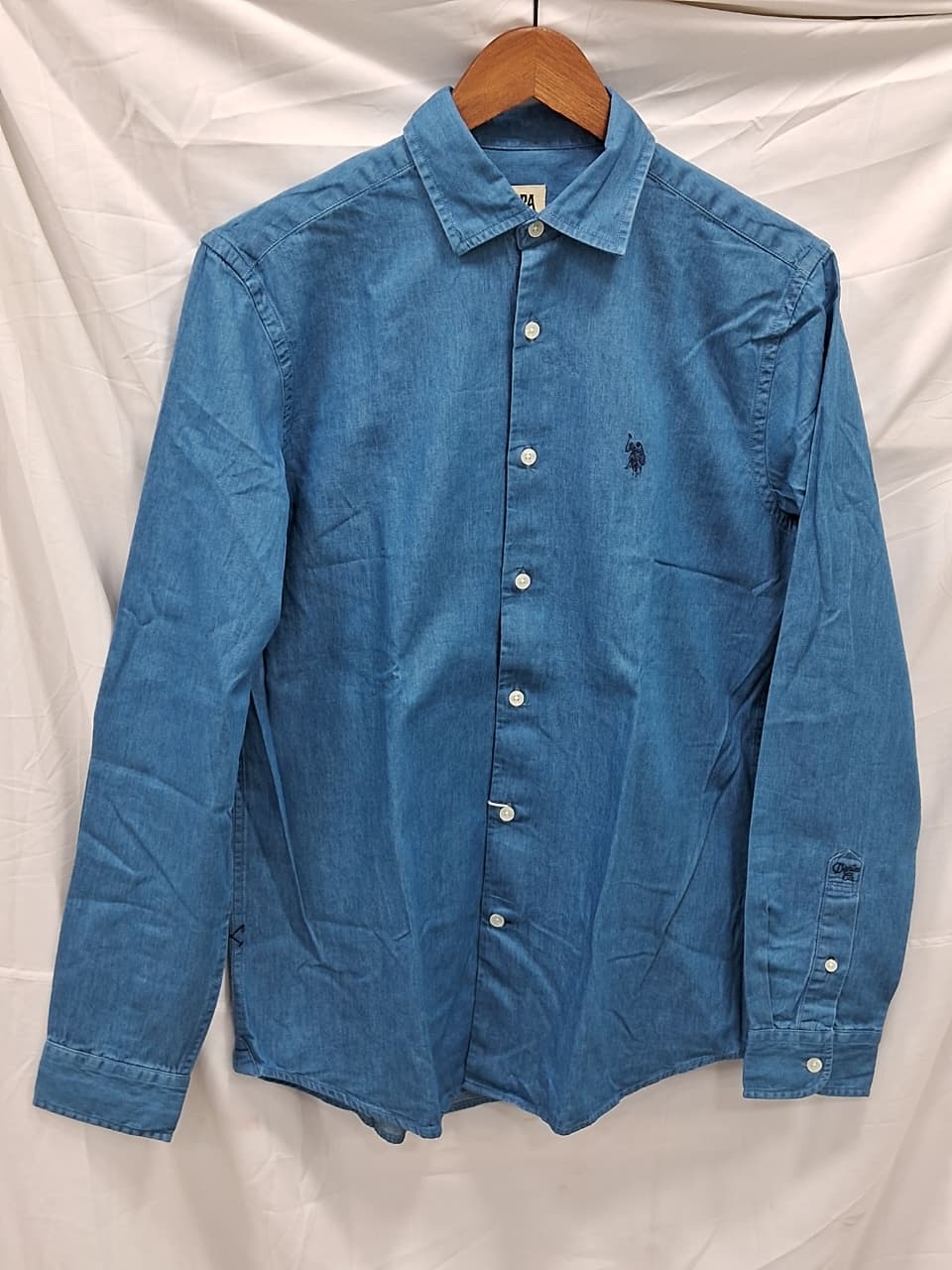
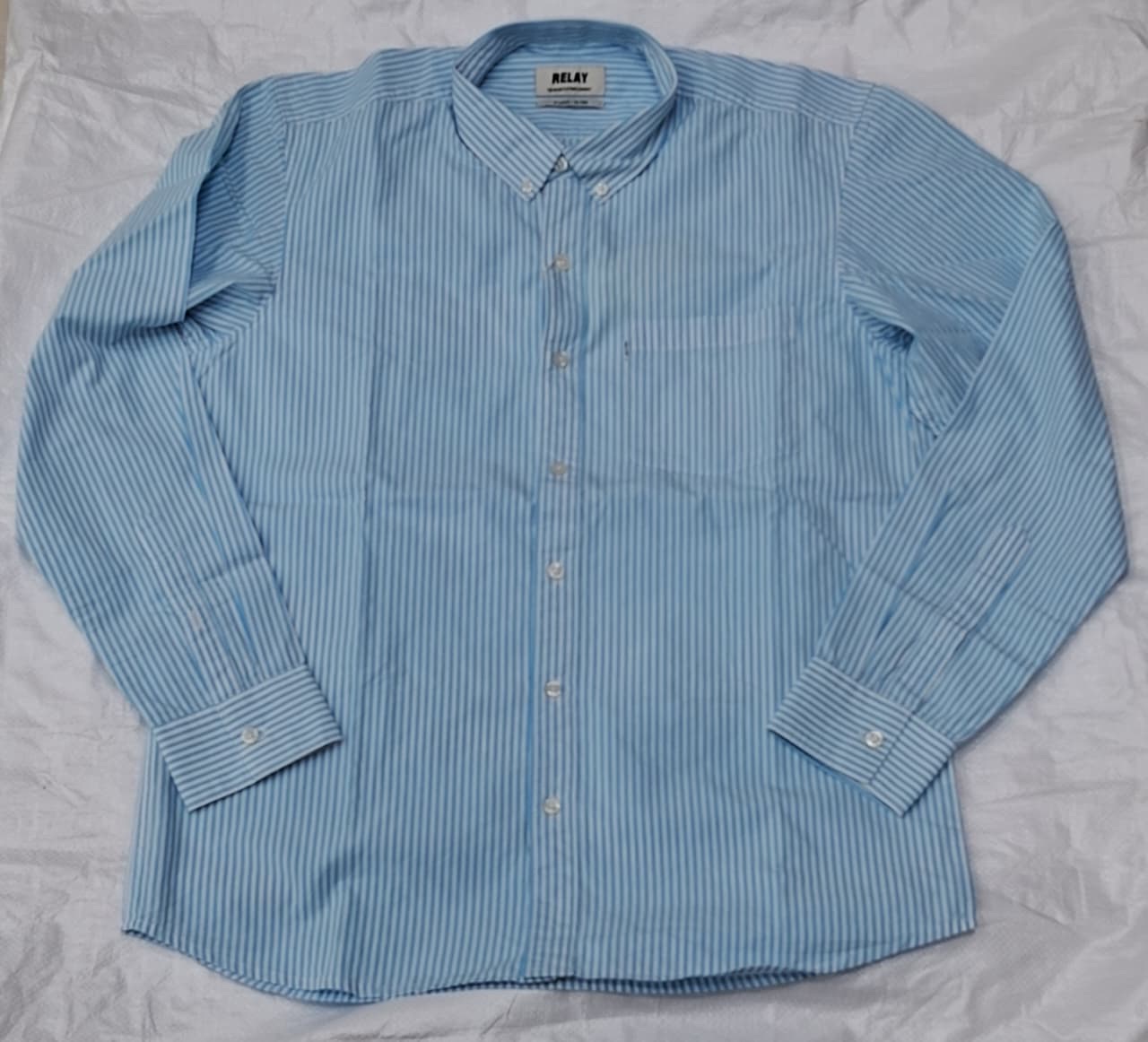
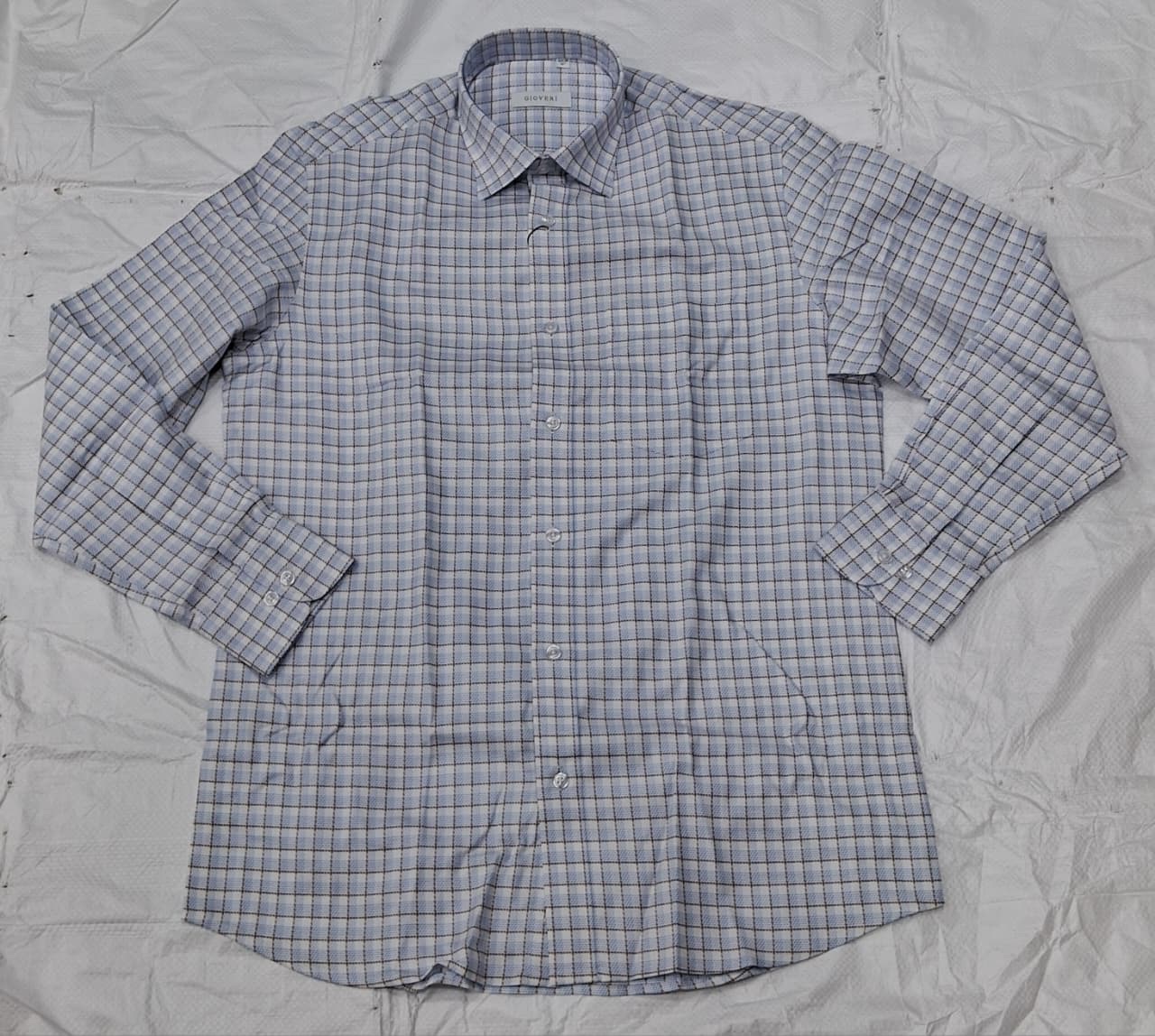
Blue formal shirts for men sit just below white in formality and, for many professionals, are worn even more often. Light and sky blues flatter most complexions and soften the contrast of a dark suit, while mid-blues feel confident and contemporary. Small checks and fine stripes in blue add texture without disturbing the calm of the colour.
Styling guidance
Light blue with navy trousers creates a tonal, approachable look; blue with charcoal feels sharper. Ties in burgundy, navy or deep green complement blue reliably. Brown shoes and belts suit lighter blues; black suits deeper tones.
Professional applications
Everyday office wear, client meetings, business travel and video calls — blue reads well on camera and under office lighting.
Striped formal shirts
Vertical rhythm
Description
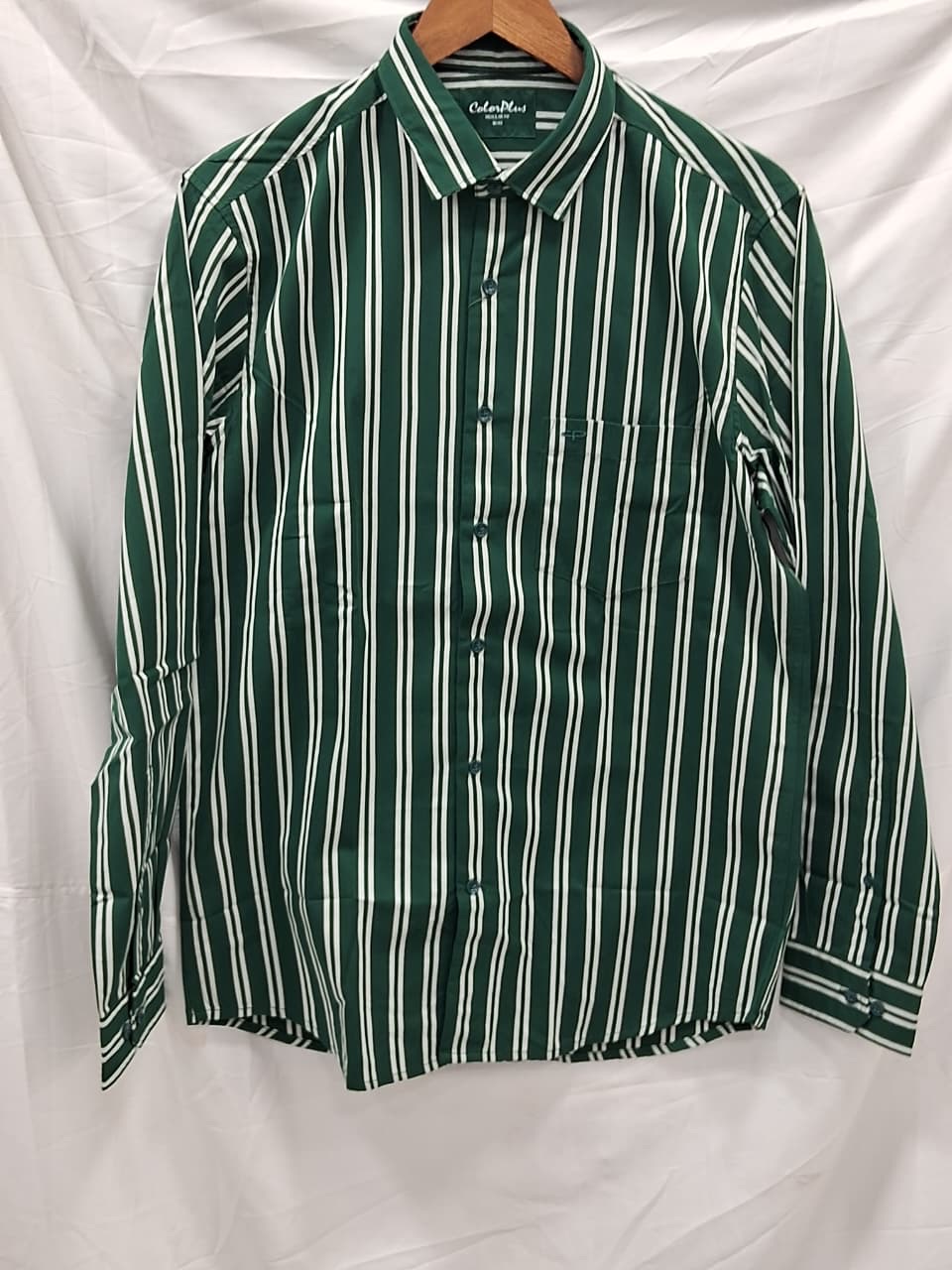
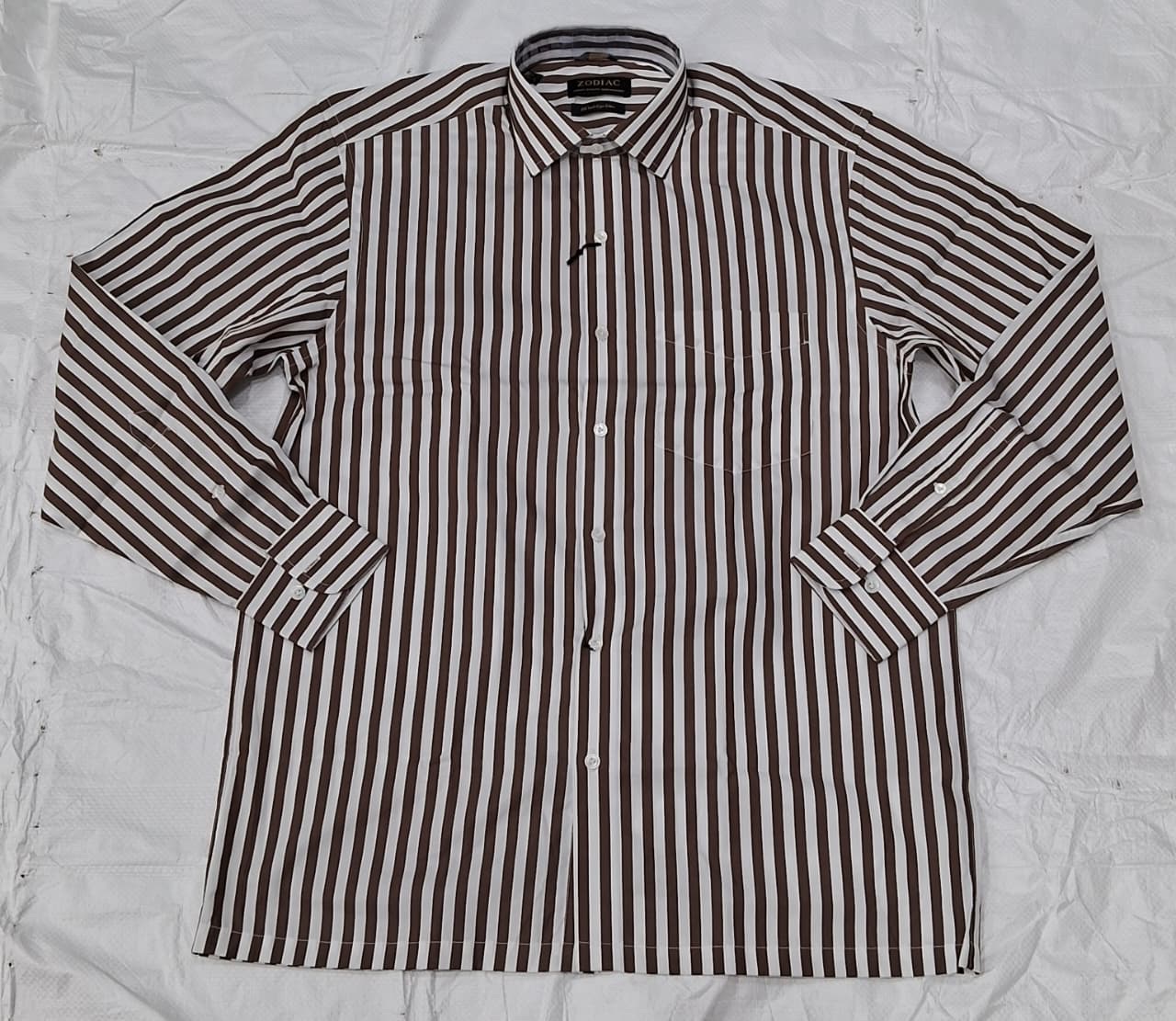
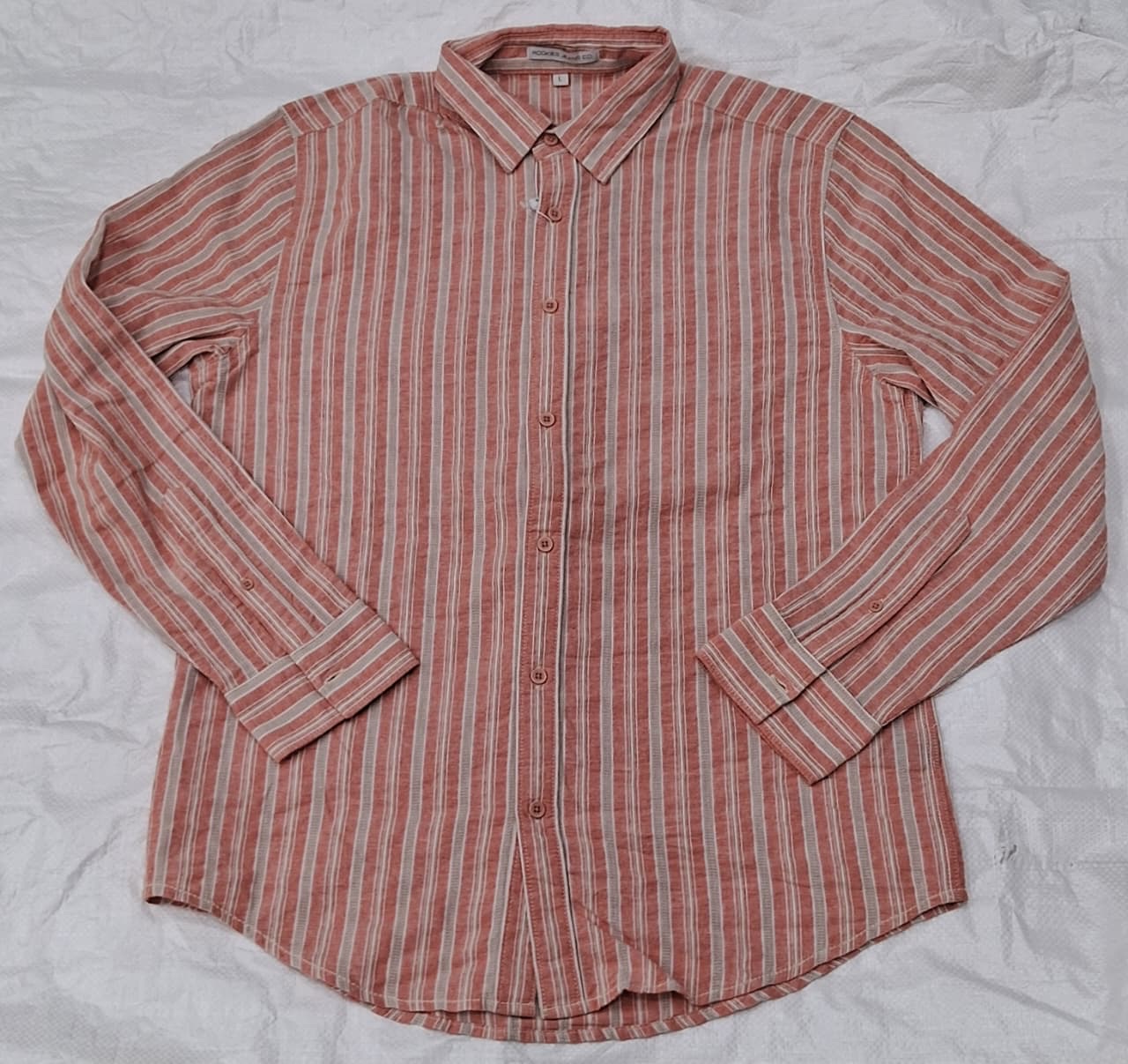
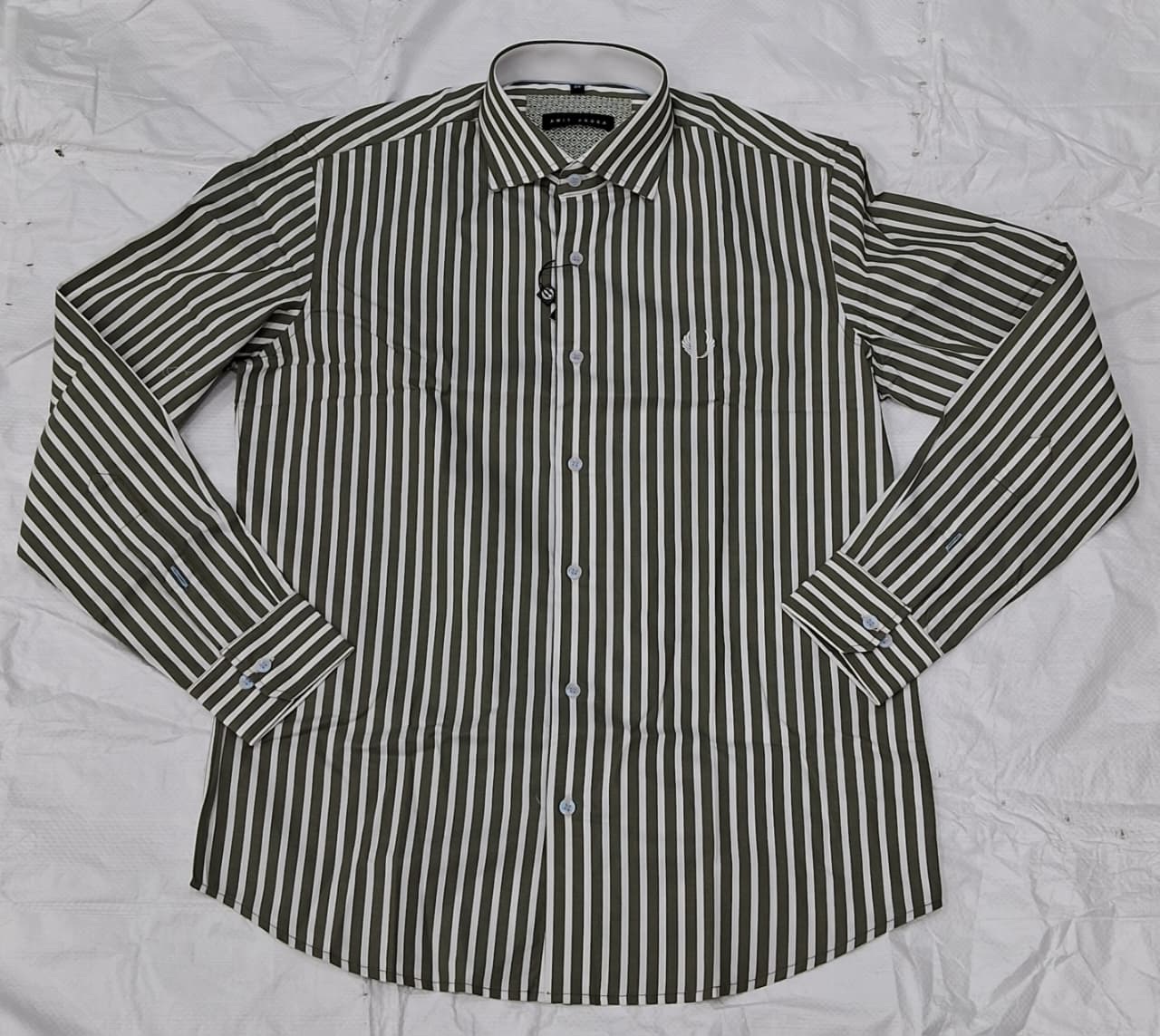
Stripes give a formal shirt structure and direction. Vertical lines lengthen the torso visually and introduce colour in measured doses. The scale of the stripe sets the tone: hairlines and pinstripes read quiet and traditional, Bengal and candy stripes read bolder and more expressive. Stripe colour matters too — green, brown, coral and sage on a white ground, as shown, are softer ways to step beyond blue.
Styling guidance
Keep everything else solid: plain trousers, a solid tie or no tie. Choose a trouser that echoes the darkest stripe. When wearing a striped shirt with a patterned tie, vary the scale significantly so the two patterns do not compete.
Professional applications
Daily office wear, client meetings and smart-casual Fridays. Finer stripes suit conservative industries; broader stripes suit creative and modern workplaces.
Checked formal shirts
Orderly texture
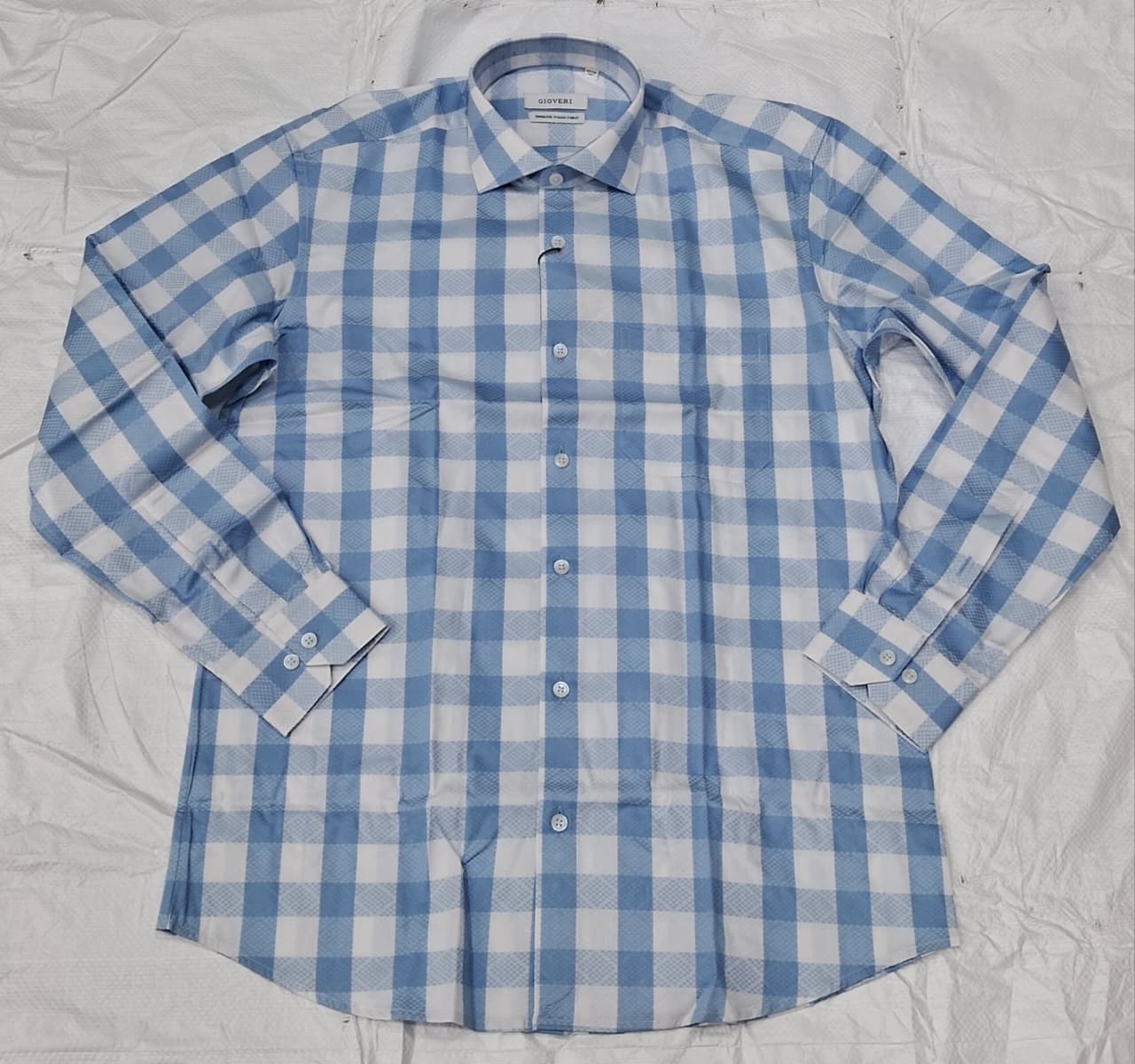
Description
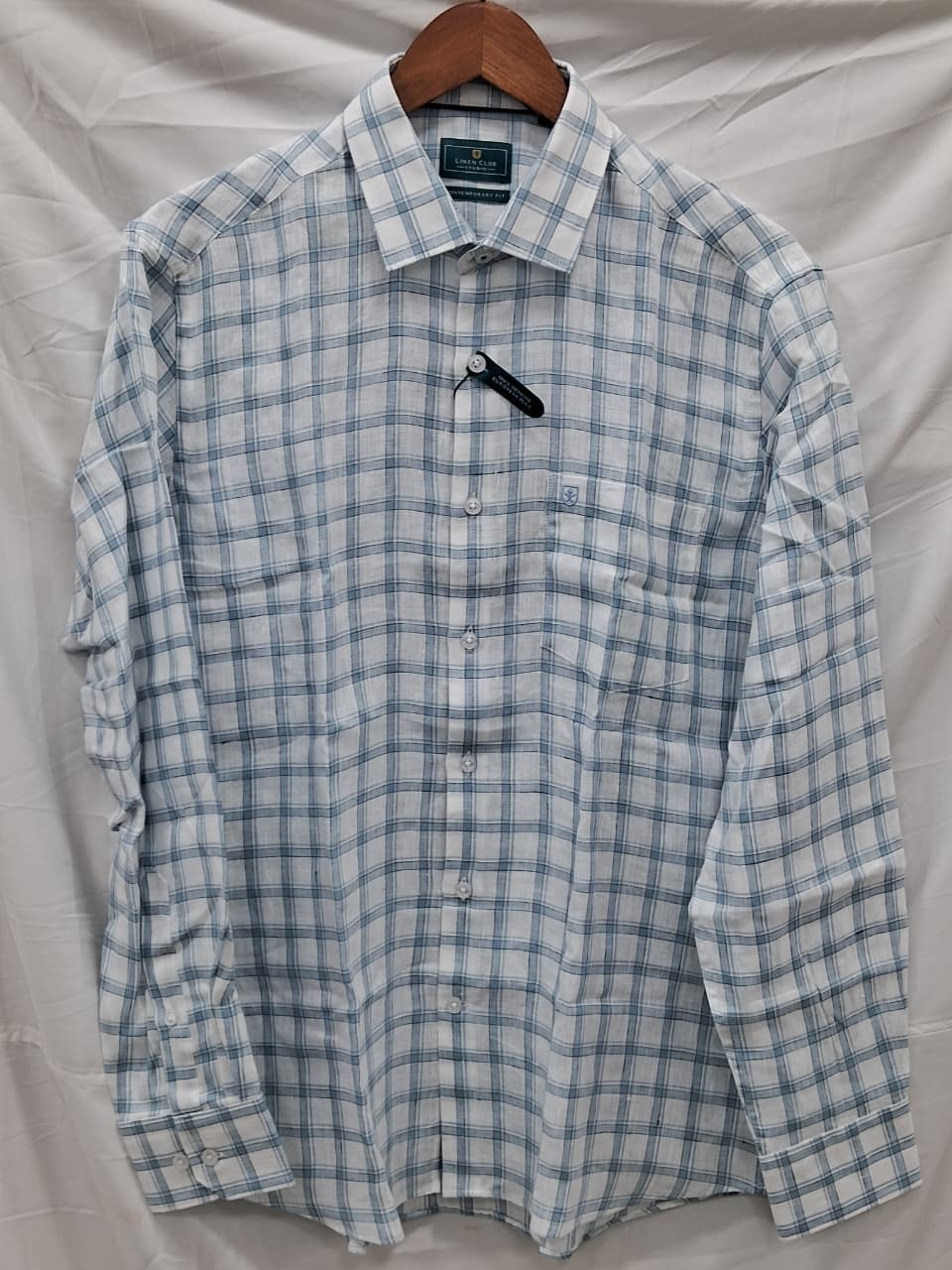
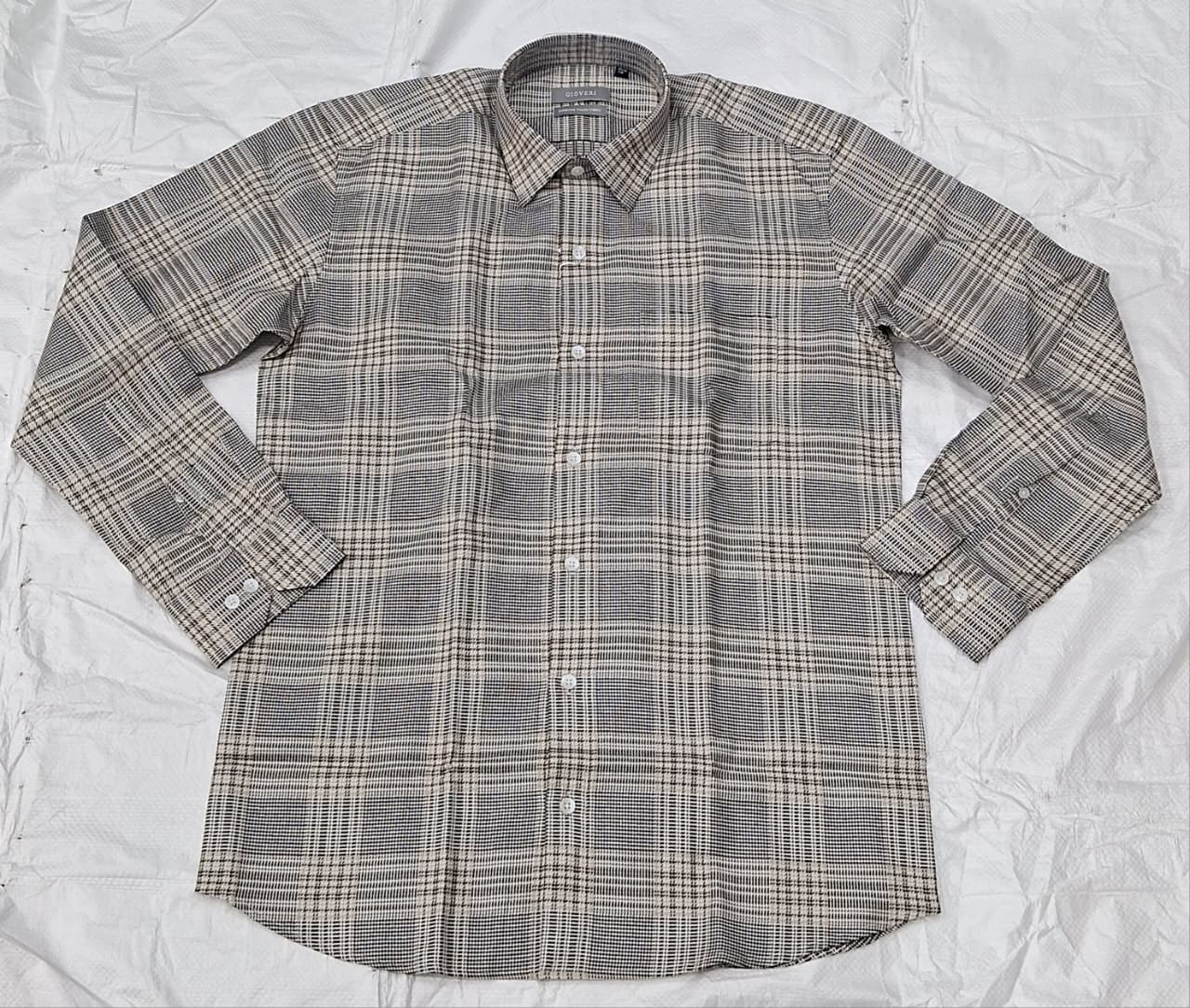
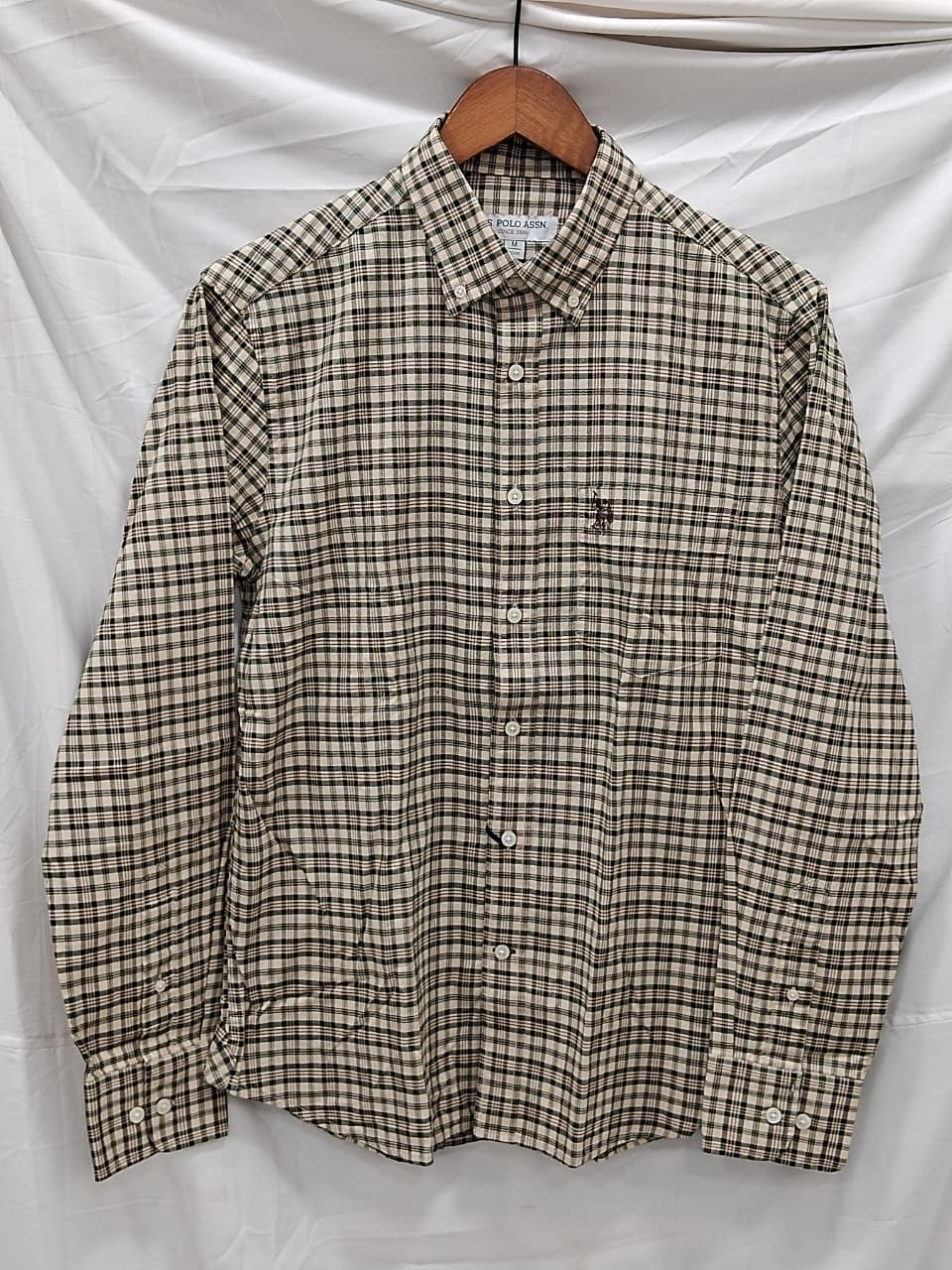
Checked formal shirts bring texture and quiet personality to business dressing. Gingham is the simplest — even squares of two colours — while windowpane uses fine lines to frame larger squares. Glen checks and tattersalls draw on traditional British country cloths and feel slightly more relaxed. The smaller and lower-contrast the check, the more formal the shirt.
Styling guidance
Pair checks with solid trousers that pick up one colour from the pattern — navy with blue gingham, grey with glen check, brown or olive with tattersall. Under a jacket, choose a solid or very subtly textured suit.
Professional applications
Office wear through the week, business-casual environments, travel days and less formal client meetings.
Solid colour formal shirts
Clean surface
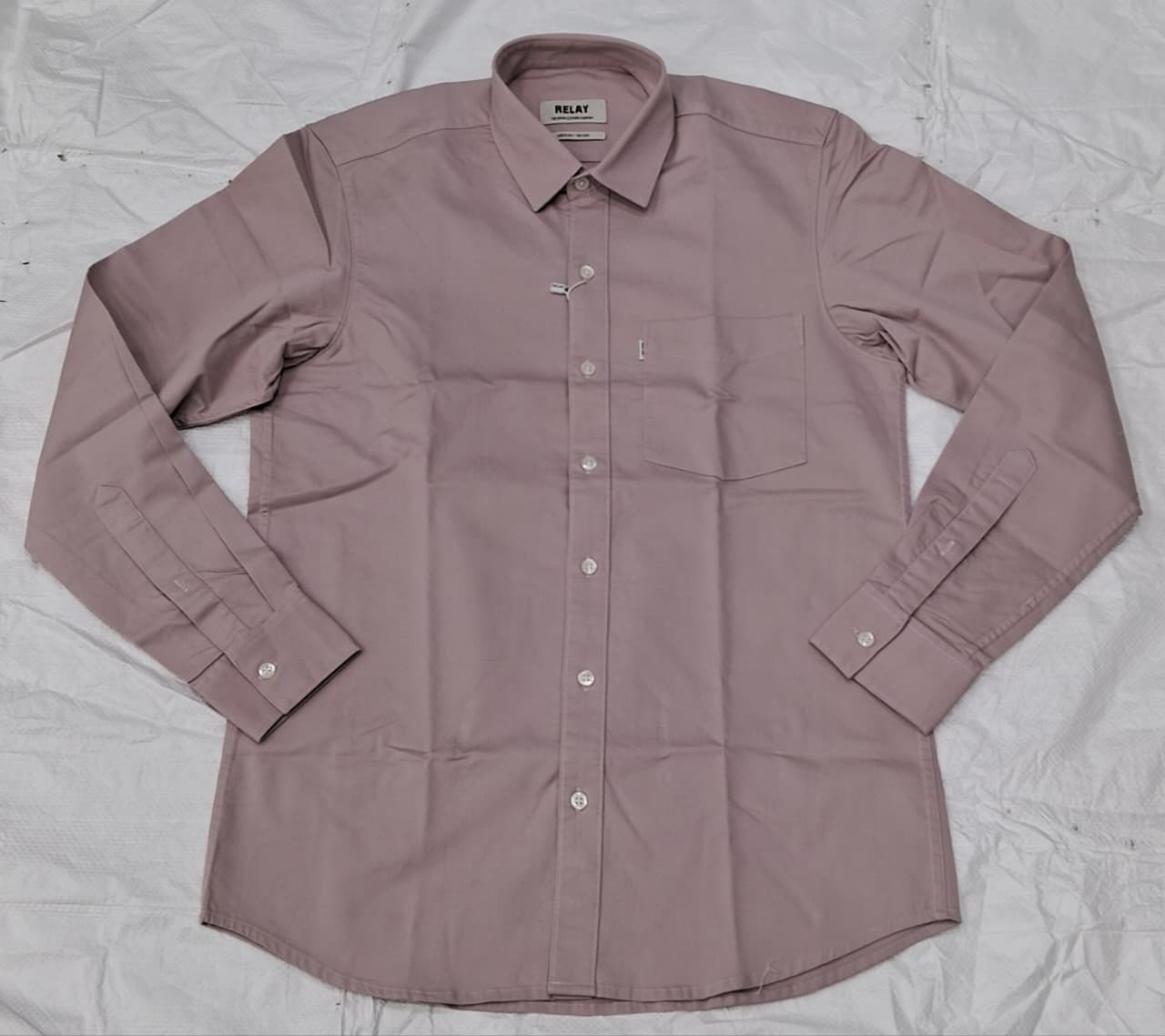
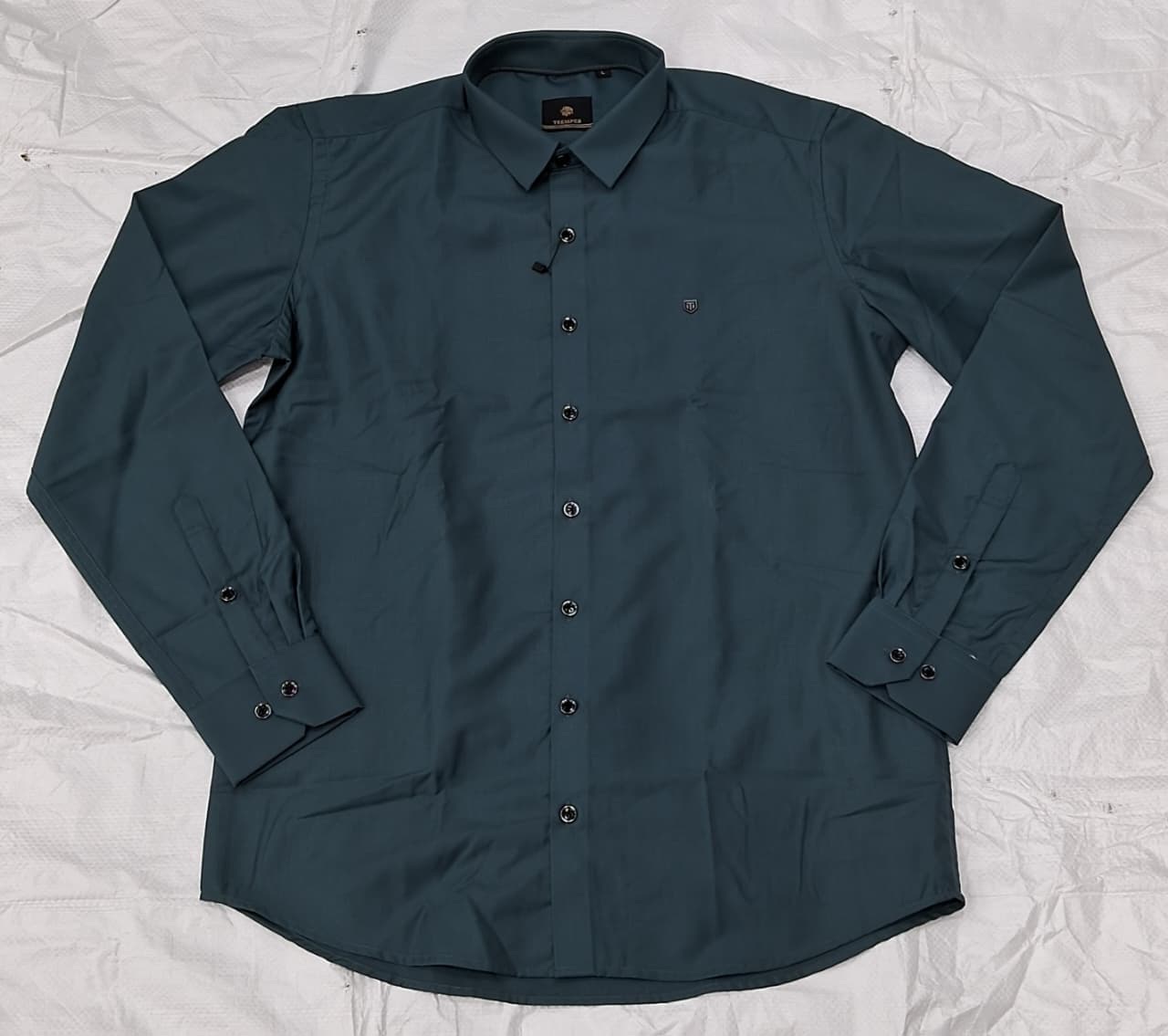
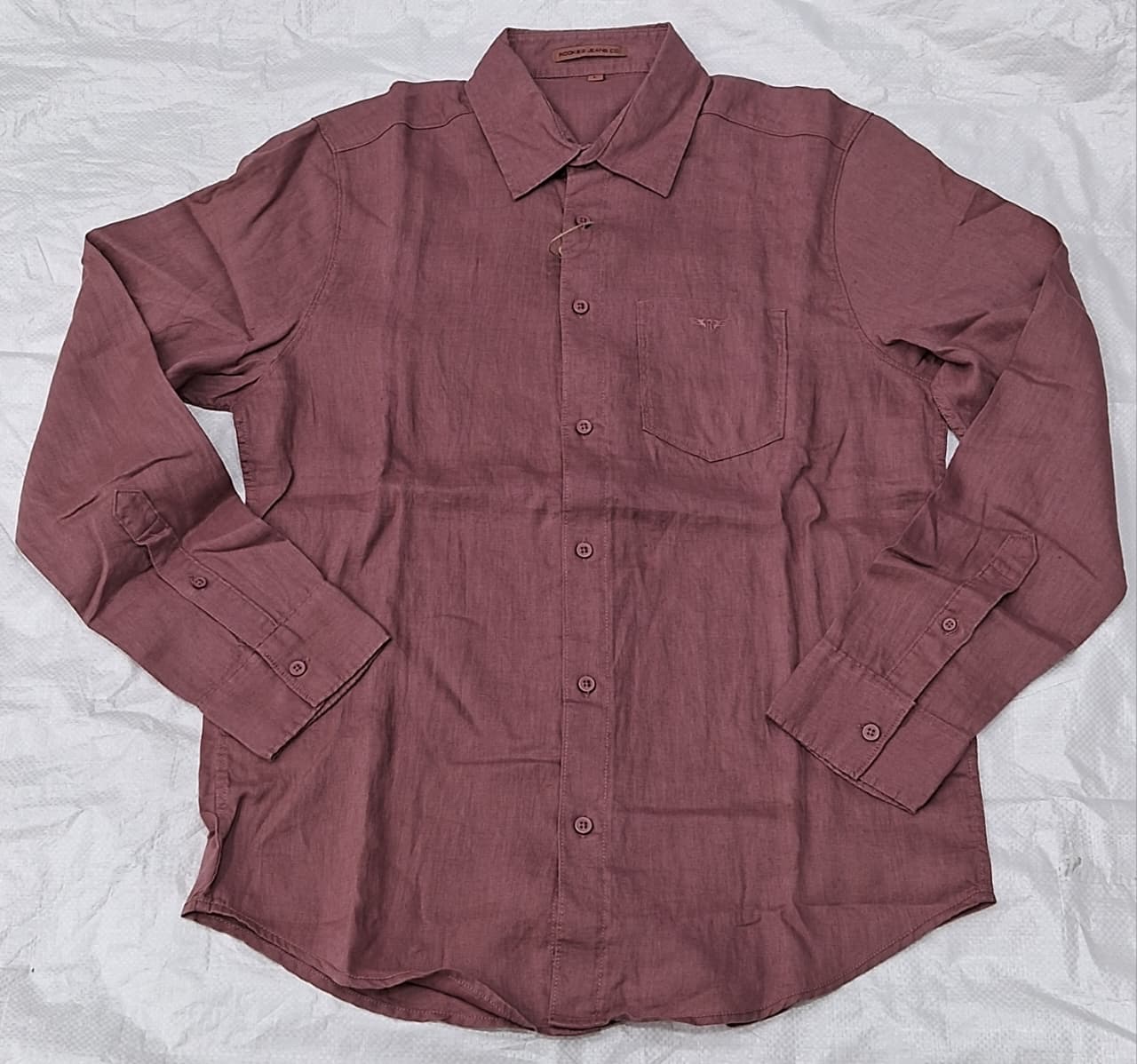
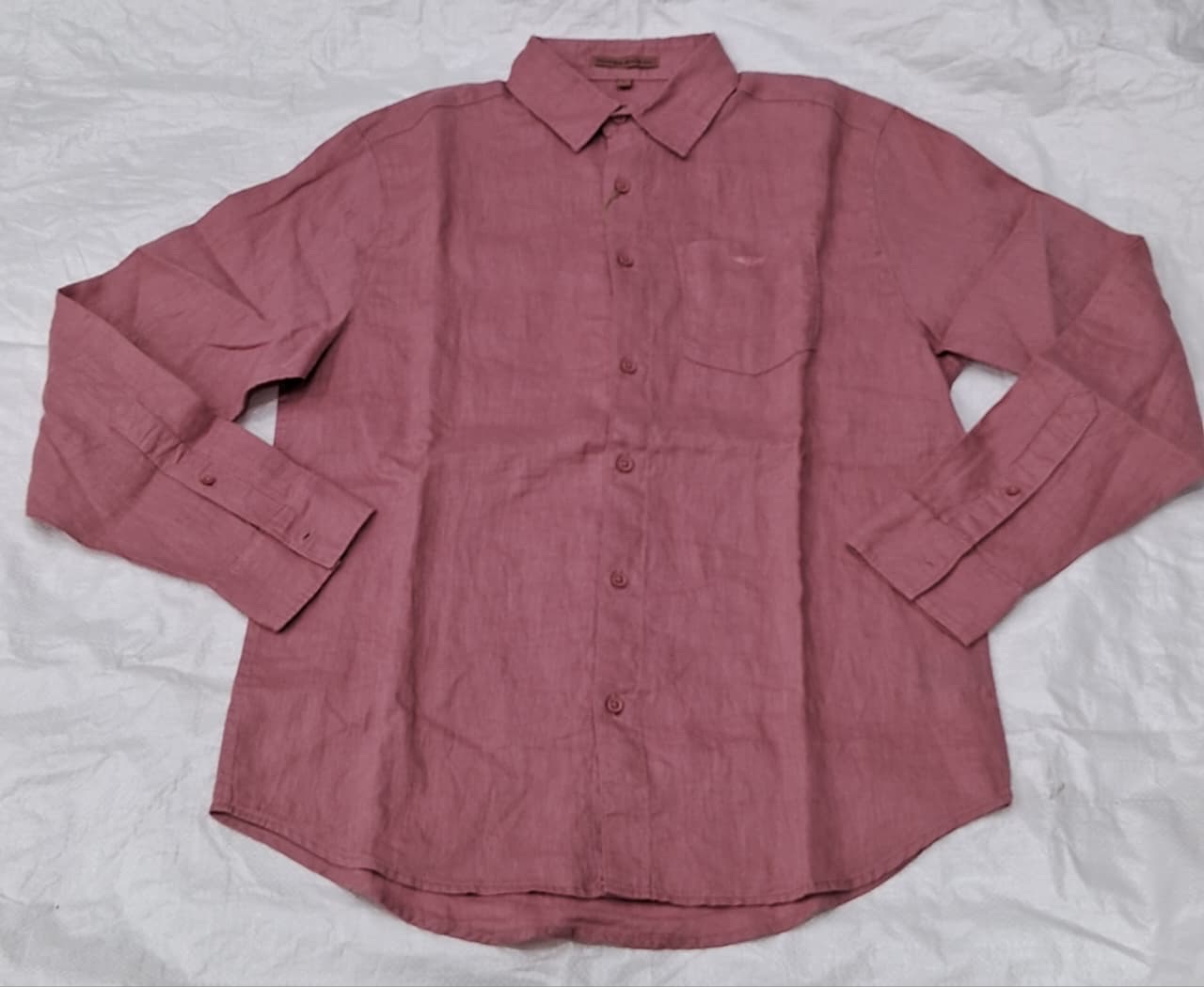
Description
Solid colour formal shirts move beyond white and blue while keeping a clean, uninterrupted surface. Muted tones — mauve, dusty pink, rose, teal — are sophisticated and easy to wear, adding warmth or depth without the busyness of a pattern. Because there is no pattern to distract, fit and fabric quality are especially visible in a solid shirt.
Styling guidance
Anchor colour with neutral trousers: grey with pinks and mauves, navy or beige with teal. Keep ties solid or skip them; let a single colour do the talking.
Professional applications
Creative and modern corporate offices, after-work events, celebrations and occasions where you want to look polished but not severe.
Executive formal shirts
Deep and refined
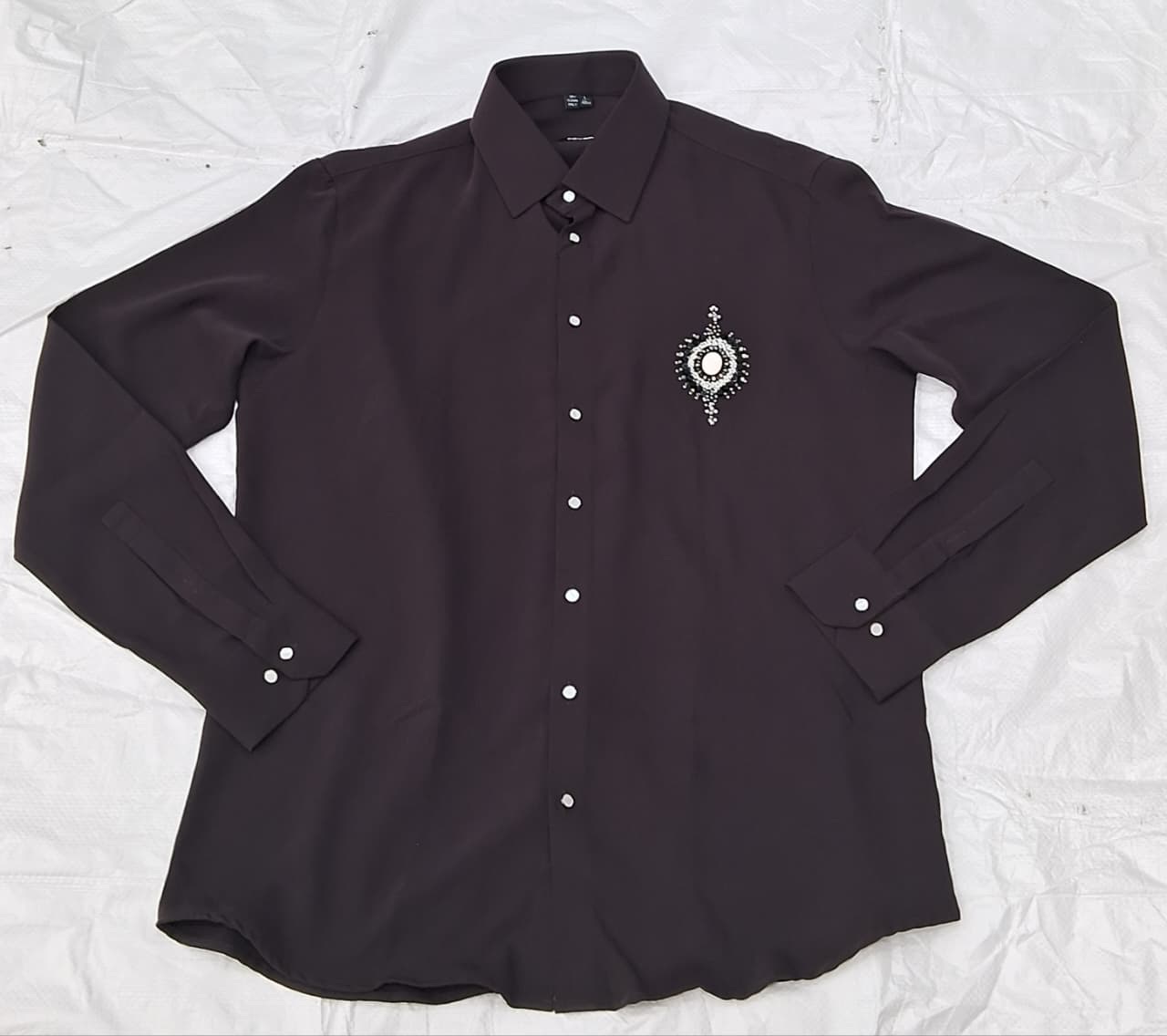
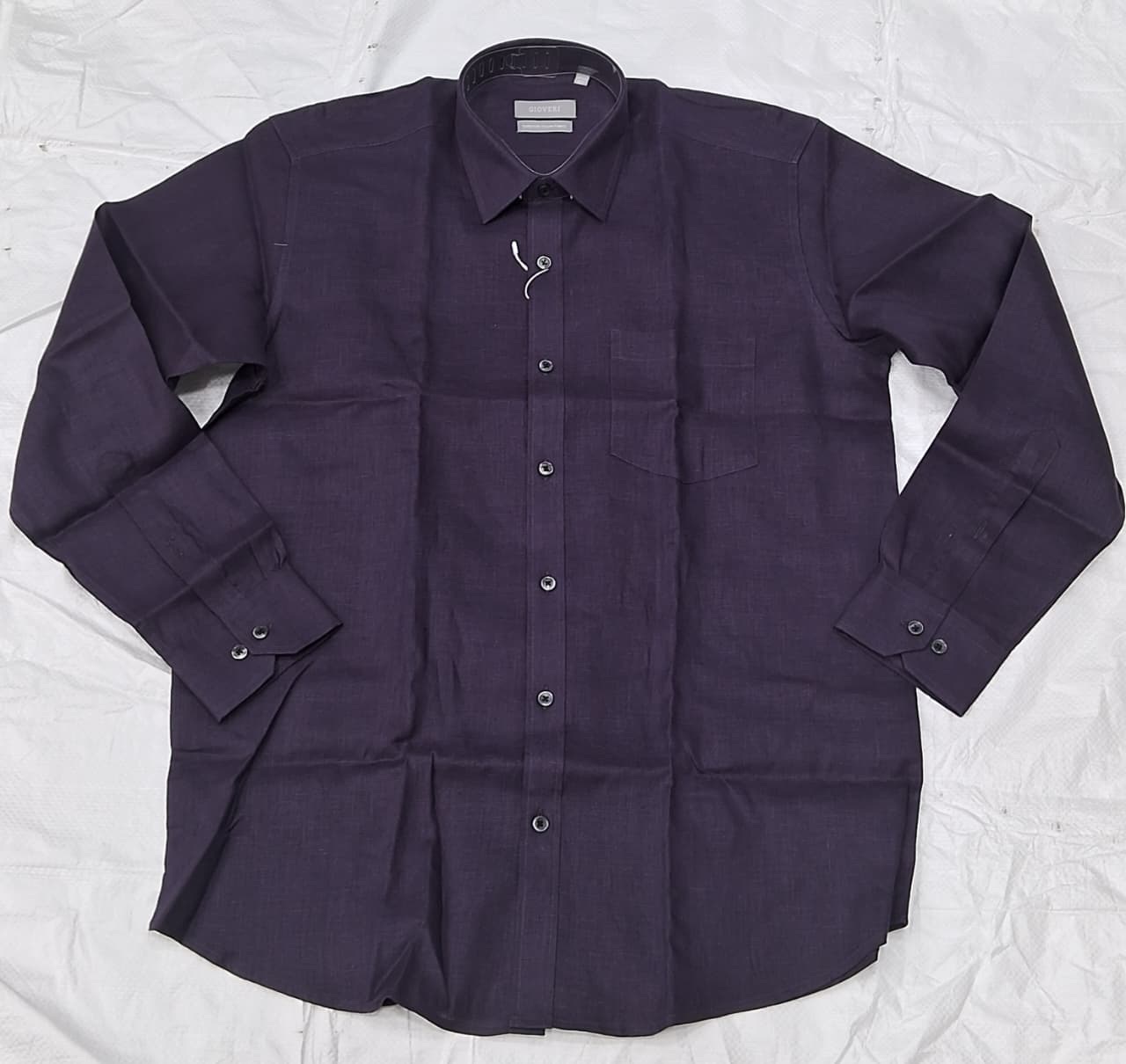
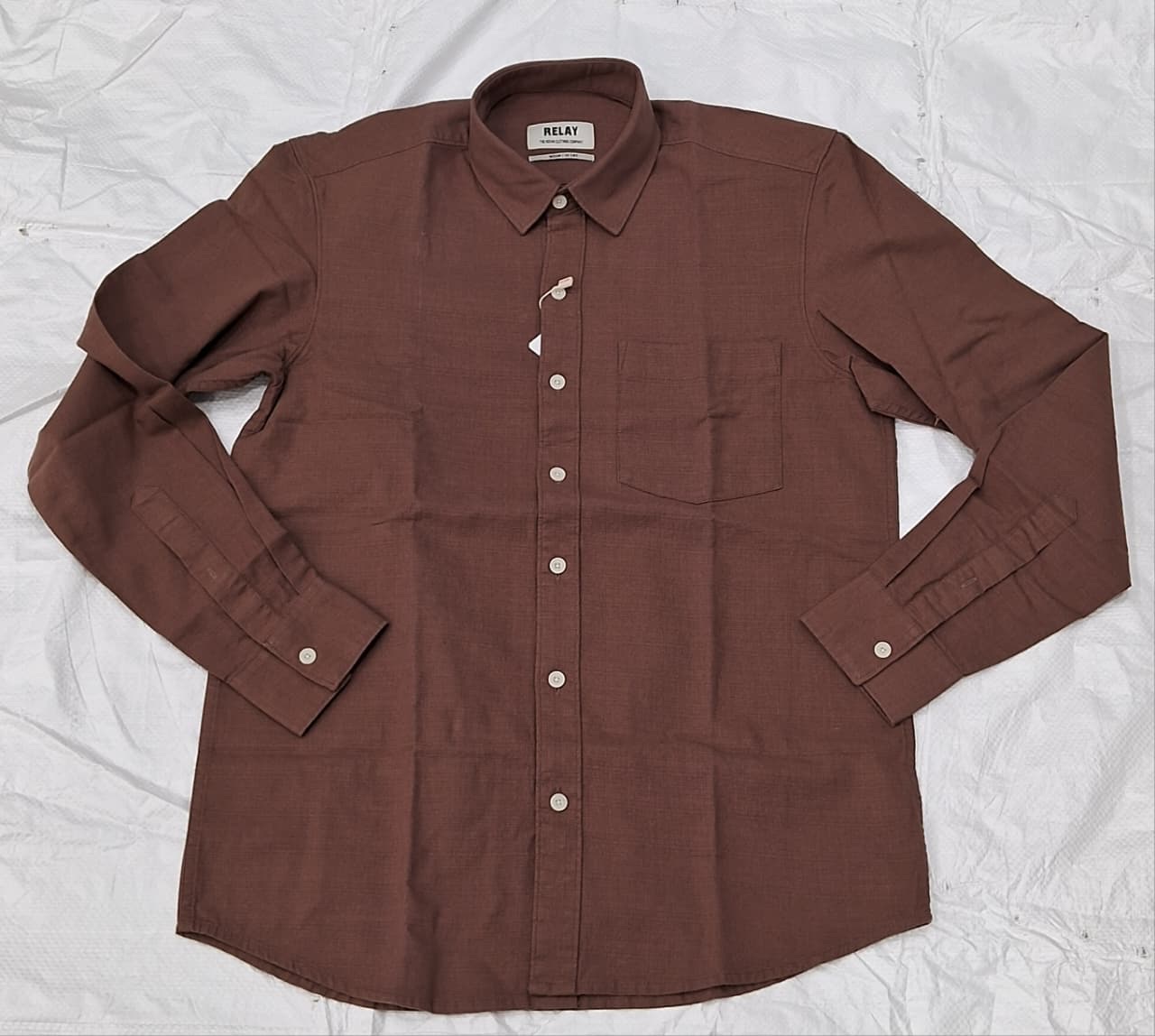
Description
Executive formal shirts are defined by depth and restraint: dark, rich solids such as aubergine, deep purple and brown that convey authority without shouting. They have a natural affinity with evening and senior settings, and they work particularly well when worn without a tie, where the colour of the shirt itself provides presence.
Styling guidance
Pair deep shirts with grey, charcoal or beige trousers. Under a dark suit, keep the tie tonal — a shade darker or lighter than the shirt. Polished shoes and minimal accessories complete the look.
Professional applications
Senior leadership settings, evening functions, dinners with clients, conferences and formal events.
Contemporary formal shirts
Modern office
Description
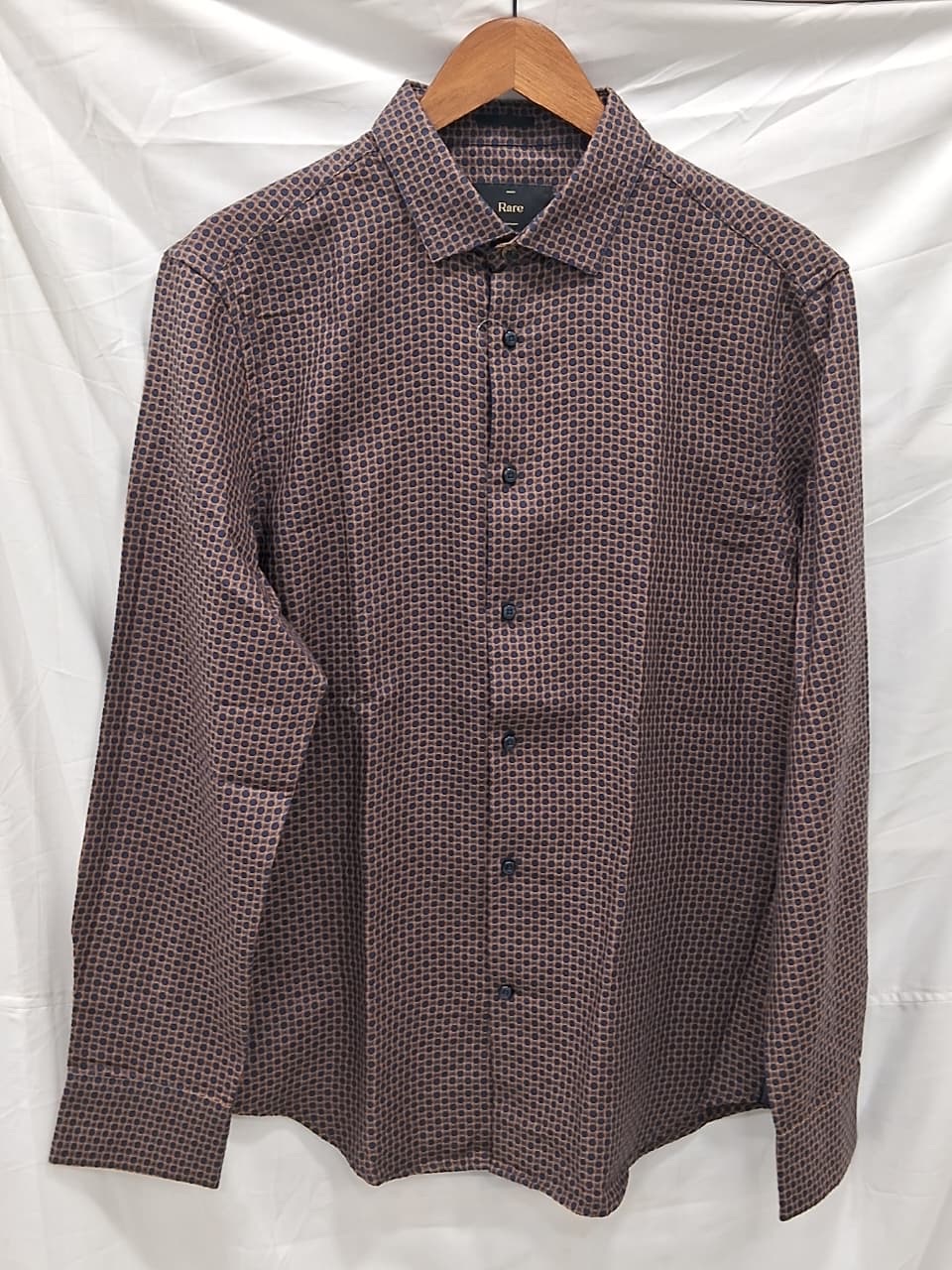
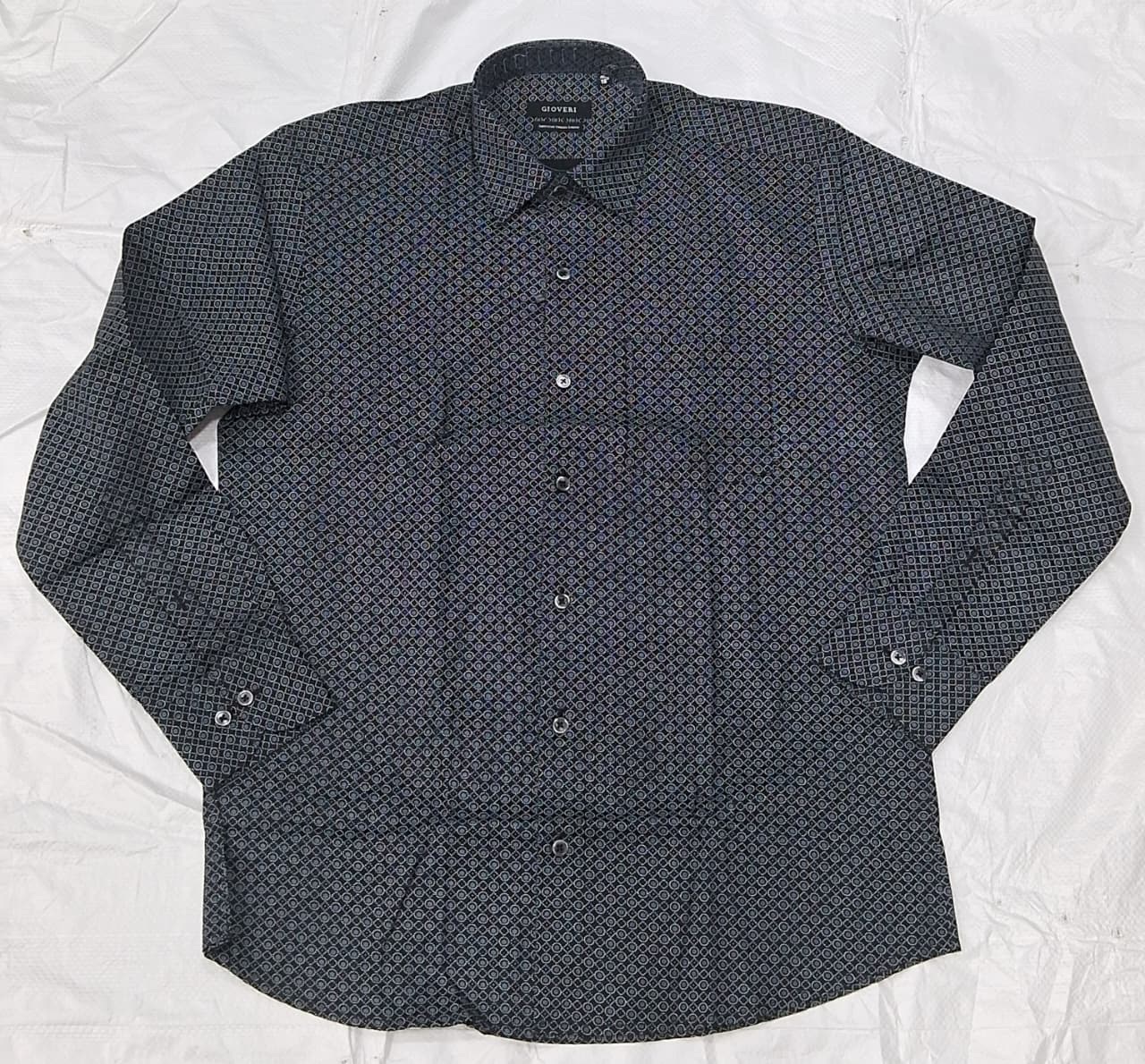
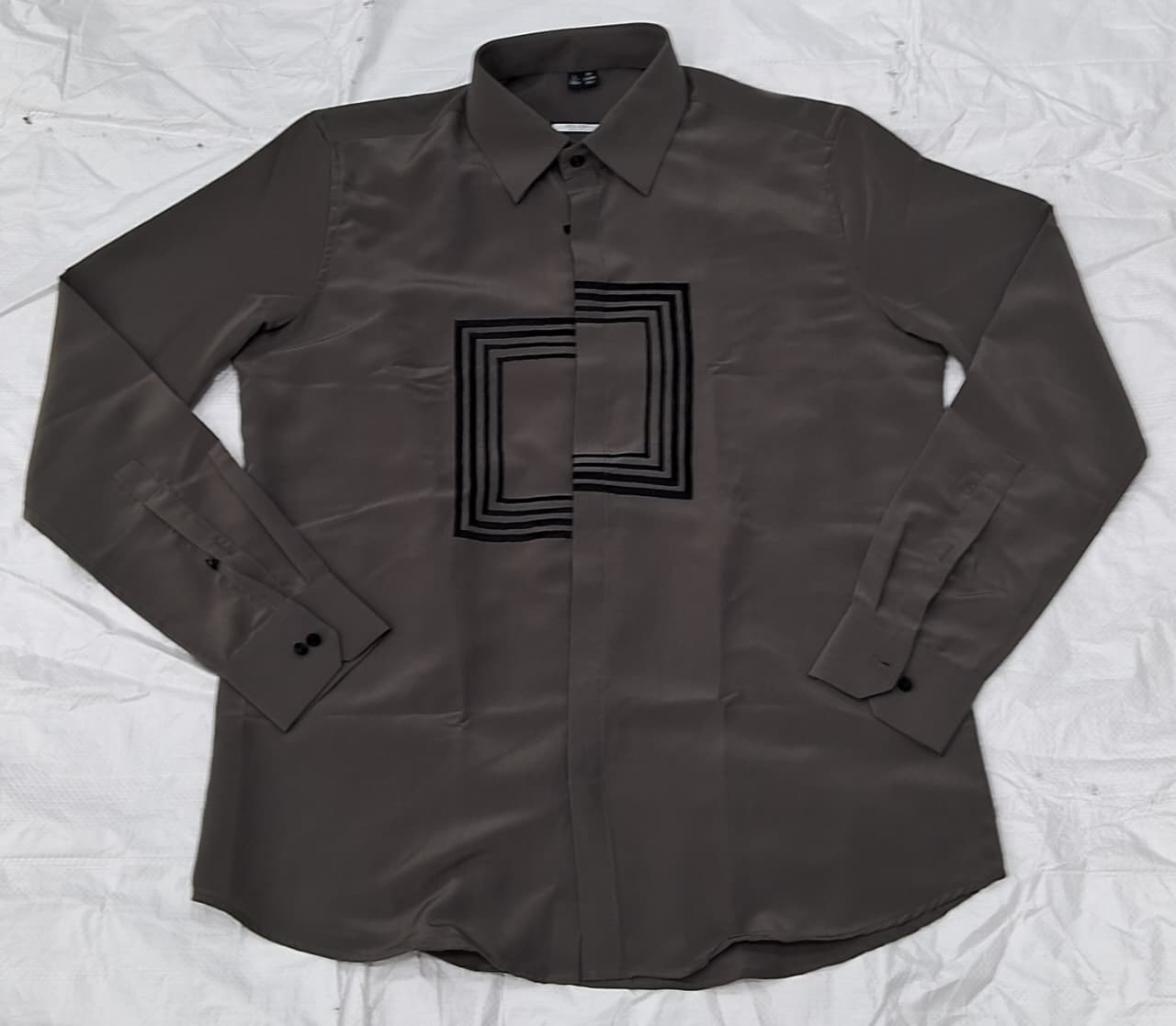
Contemporary formal shirts respond to the way offices dress now. Micro prints, small geometrics and considered graphic details add personality while keeping the collar, placket and cuffs of a formal shirt. Seen from across a room they read as texture; up close they reveal character.
Styling guidance
Treat micro prints as you would a solid: plain trousers, minimal accessories, and usually no tie. Graphic details work best on their own, under a casual blazer or with chinos.
Professional applications
Modern and creative workplaces, start-ups, business-casual days, team events and social occasions after work.
Slim-fit formal shirts
Close and modern
Description
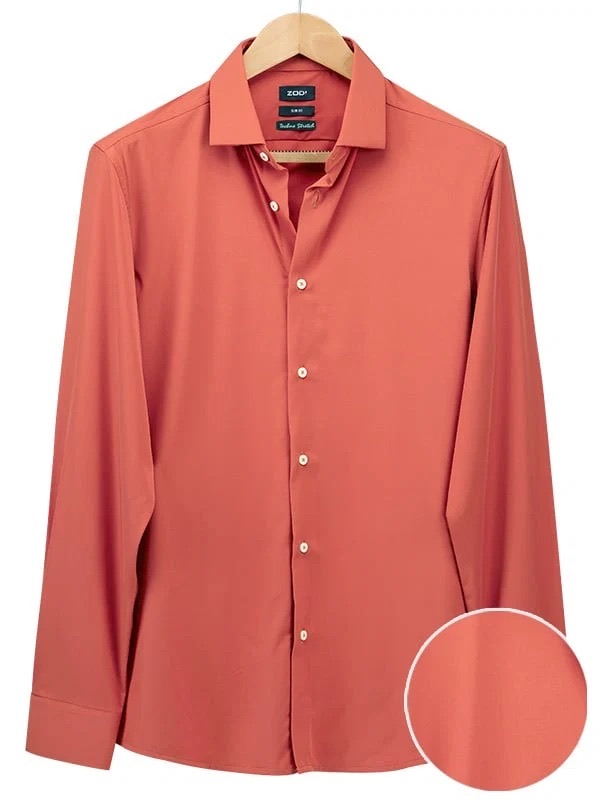
Slim-fit formal shirts for men are cut closer through the chest, waist and sleeves, often with back darts to shape the body. The result is a clean, contemporary silhouette with minimal excess fabric — particularly flattering on slimmer and athletic builds, and neat when worn without a jacket.
Styling guidance
Pair with slim or tapered trousers so proportions stay consistent. Make sure buttons lie flat across the chest without pulling — if they strain, try the next size or a tailored fit.
Professional applications
Modern offices, presentations, interviews and evening events where a sharp line matters.
Regular-fit formal shirts
Ease and comfort
Description
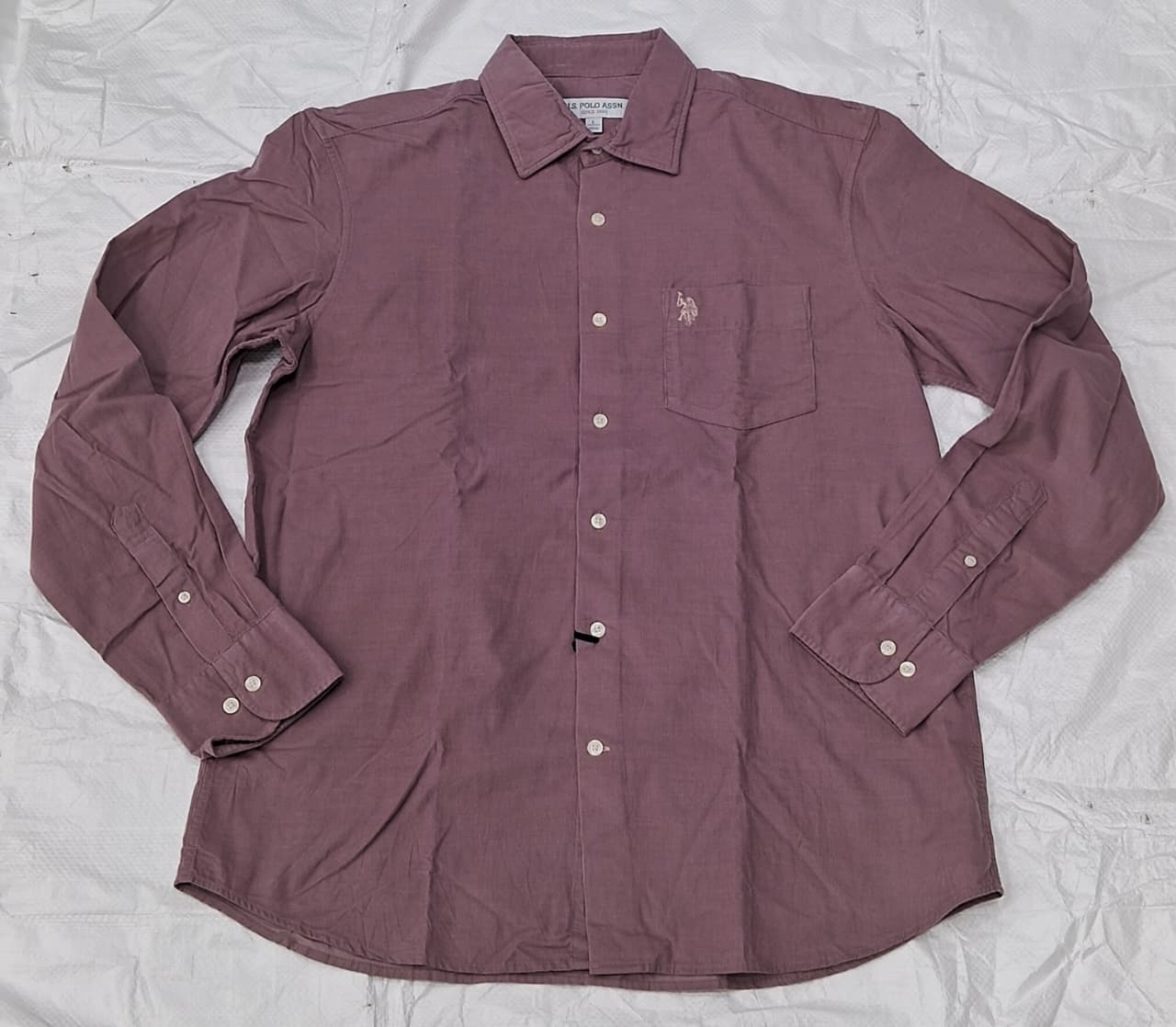
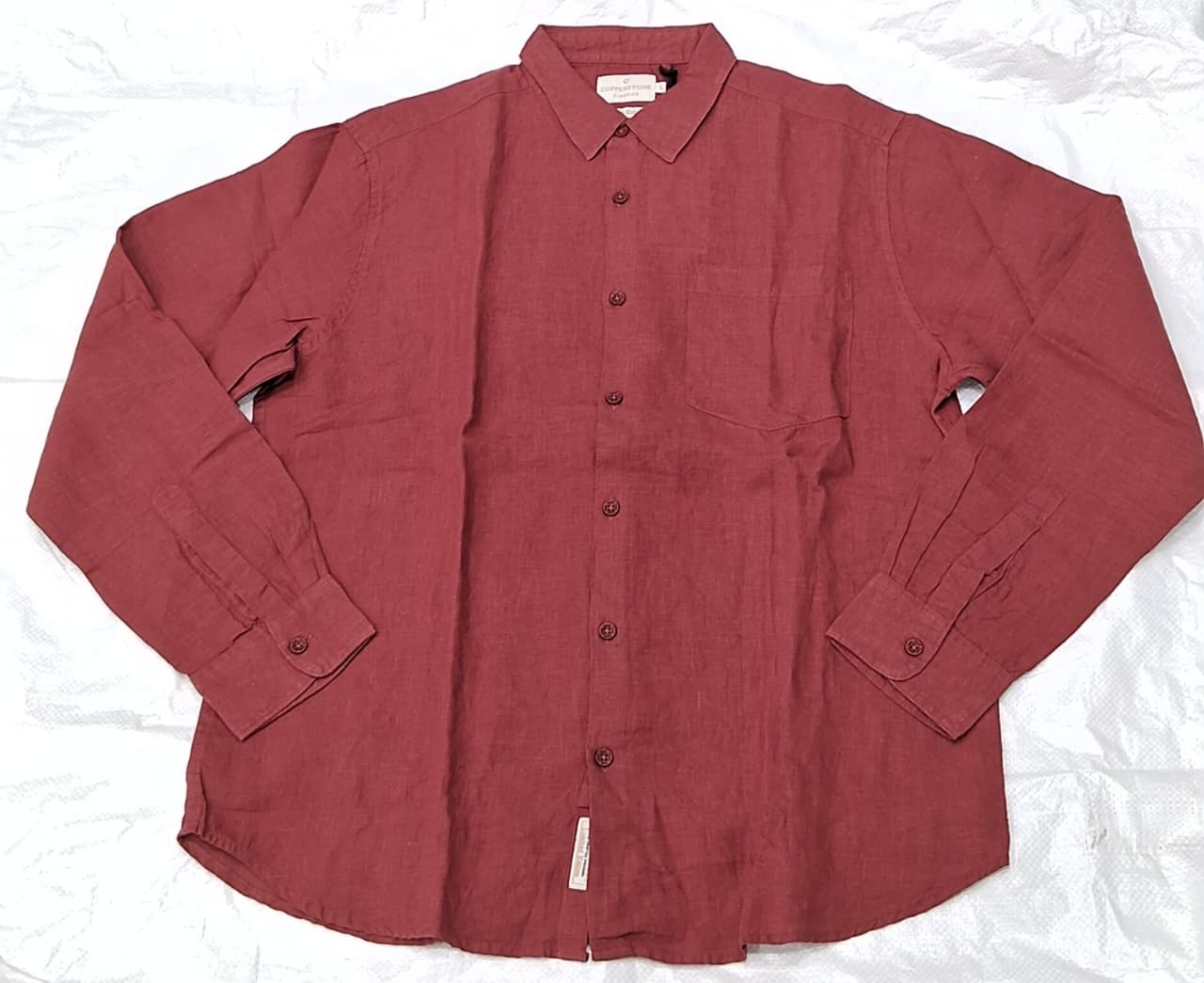
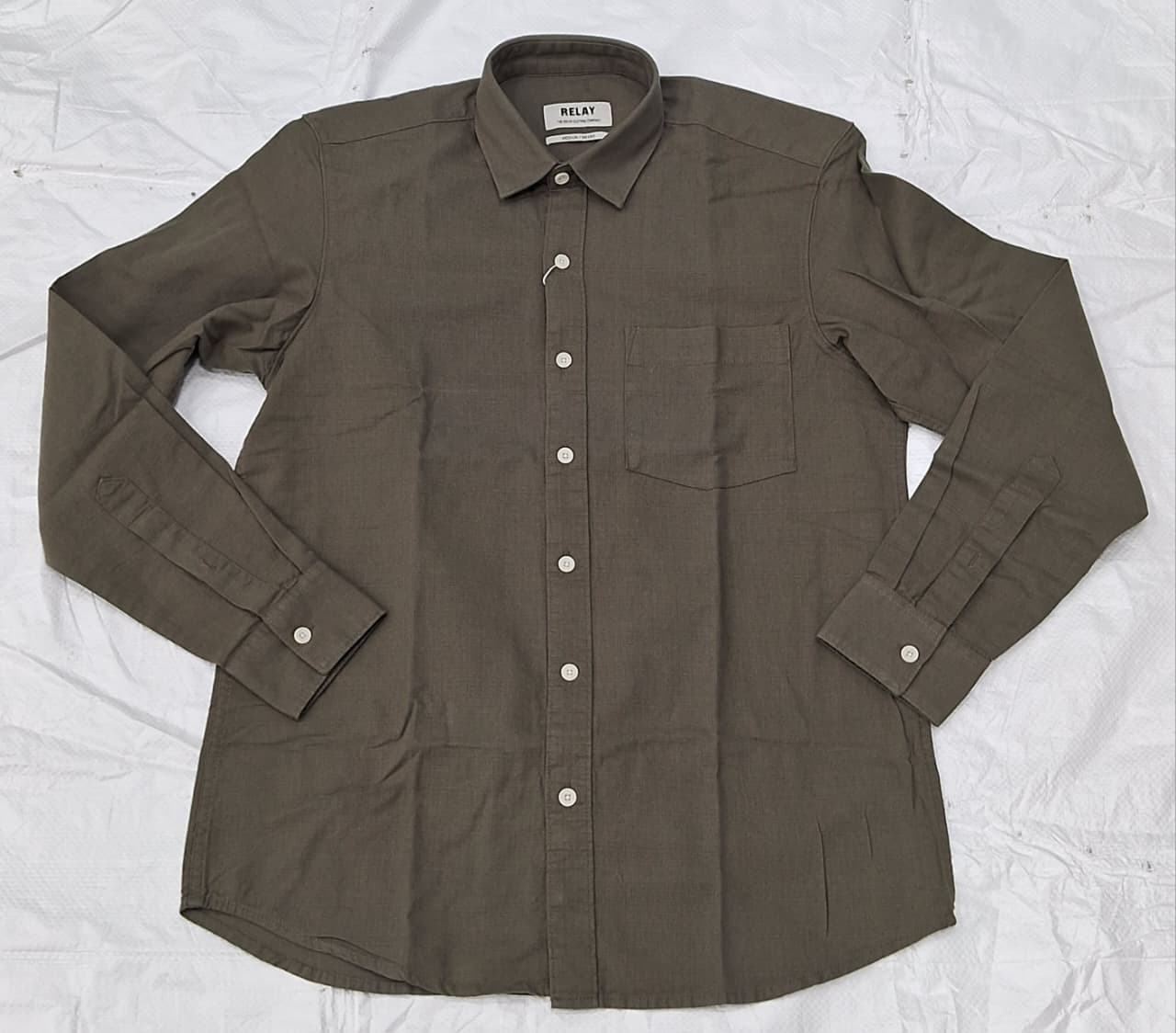
Regular-fit formal shirts are cut straighter through the body with more room in the chest, waist and sleeves. They prioritise comfort and freedom of movement, suit a broad range of builds and are forgiving through long working days, commutes and travel.
Styling guidance
Tuck firmly into trousers with a classic or straight leg. Avoid shirts that billow at the waist — regular should mean comfortable, not oversized.
Professional applications
Long office days, professional travel, warm weather and conservative workplaces.
Choose by
category.
Wear with intent.
Not sure where to begin? Start with white and light blue, then add stripes and checks for variety.
Business dressing guide